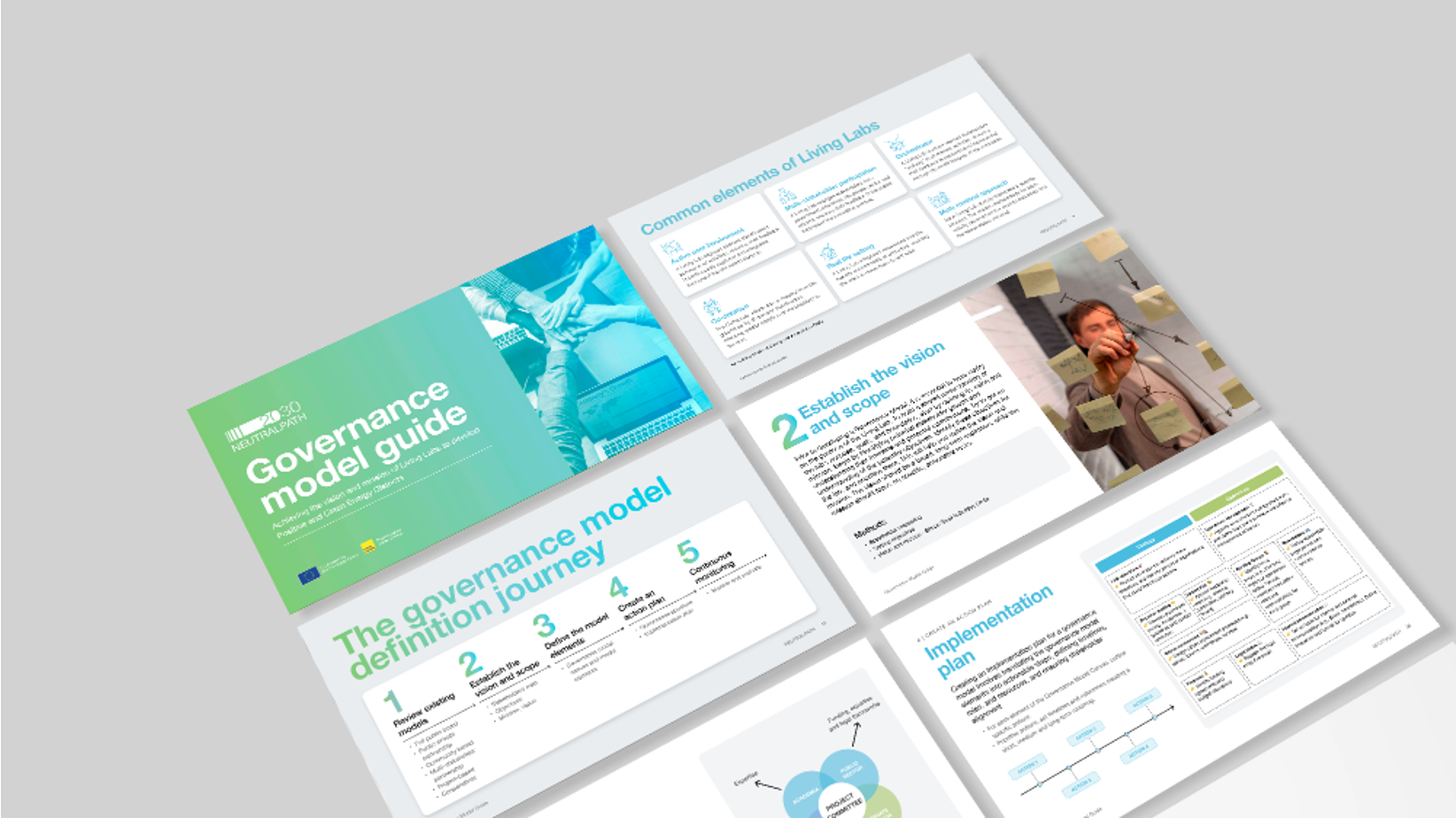
Why do we buy things we almost never use?
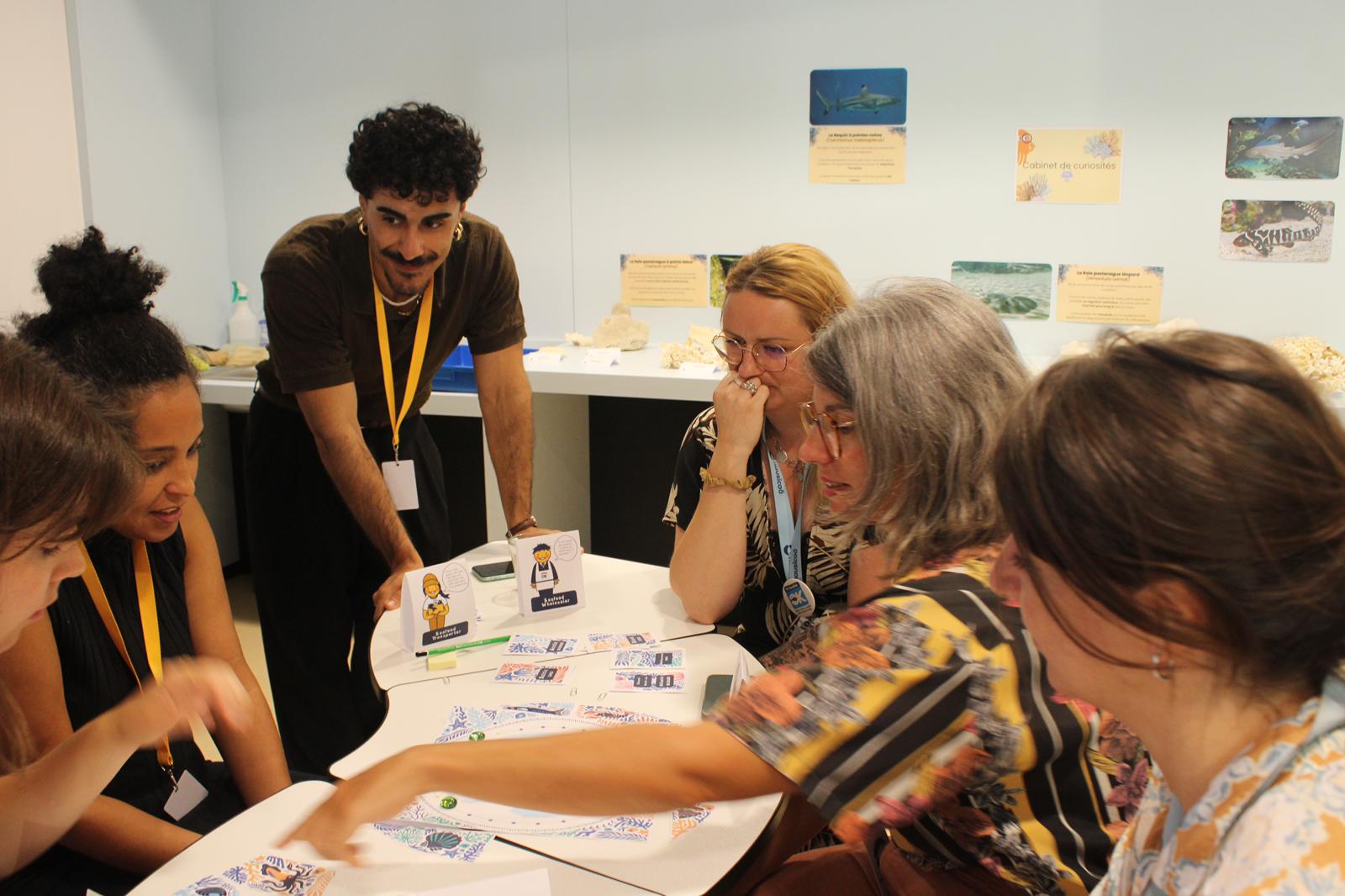
On 26 May evening, we turned our Paris office at Three House into a living lab. Around twenty participants gathered for an afterwork with a simple question at its heart: why do people hesitate to borrow instead of buy?
The event was part of our work on Access Hubs, a project co-funded by Interreg North-West Europe, coordinated by Kringwinkel Antwerpen and supported by 12 partners across 6 countries, including cities like Amsterdam, Ghent, Dortmund, and Valenciennes. Access Hubs aims to make rental and sharing services more visible, accessible, and attractive than ownership, shifting the default from buying to accessing. If you'd like to learn more, visit the project website: Access Hubs project website
At We Right Click, our role in the project is citizen engagement, user research, and awareness-raising. This afterwork was our first co-creation session: a chance to validate our methodology and gather real insights directly from Parisian residents.
How the evening unfolded
Over 90 minutes, participants worked in groups of 4–5 through four hands-on activities, each building on the last.
1. Own it or share it?
Each group received a set of object cards: a drill, a tent, a raclette set, a carpet cleaner, and had to sort them into three columns: I'd rather own it, I could share/rent it, and Depends. The sorting sparked immediate debate. What matters? How often you'd use it. Whether you know the person lending it. Hygiene concerns. Price. The "Depends" column, unsurprisingly, ended up being the most crowded.
2. The barrier wall
Groups then identified what was stopping them from actually making the switch to shared access. Each person wrote their hesitations on post-its, stuck them on the relevant object card, and the group voted on the biggest blockers with red dots. Six categories structured the thinking: hygiene, cost, safety, accountability, convenience, and trust. The richness of the discussion was striking — the same object triggered completely different barriers depending on who was in the room.
3. Trust builders
With their top barriers identified, groups turned the question around: what would make you say yes? They worked with a set of trust builder cards — things like verified user profiles, hygiene certificates, municipal endorsement logos, damage guarantees — and matched them to the barriers they'd just surfaced. Some trust builders felt universal; others were surprisingly divisive.
4. The scenario journey
In the final activity, each group received a persona card: Louise, a parent of two living in a small flat; Lucas, a young graduate throwing a birthday party for 20 — and mapped out the full service journey their persona would need to go through to successfully borrow an object. From discovering the service on social media, to signing up, collecting the item, using it, and returning it. At each stage: what barriers appear? What trust builders would help? What information is the service not providing?
What we learned
A few themes emerged consistently across groups.
Convenience is underestimated as a barrier. It's not just about price or trust — the friction of booking ahead, travelling to a pick-up point, or returning an item on time is a genuine obstacle that gets glossed over in access economy conversations.
Trust is layered. People don't just need to trust the platform — they need to trust the object itself (is it clean? does it work?), the other user, and the process if something goes wrong. Each layer requires different reassurances.
The "depends" objects are the most interesting ones. The hygiene-sensitive items (the raclette set, the carpet cleaner) generated the most nuanced discussions. They're not obvious candidates for sharing — but they're also not impossible, given the right conditions.
First-time use is the critical moment. Several groups highlighted that signing up for a new platform, especially one that requires upfront payment or personal data, is where people are most likely to abandon the journey. Onboarding design matters enormously.
Why this matters for Access Hubs
The insights we gathered feed directly into the design of access services being developed across partner cities. The methodology, validated here in Paris, will be replicated by public authorities across the consortium to build a comparable picture of citizen attitudes toward the access economy in different urban contexts.
We're not trying to tell people to consume less. We're trying to understand what it would actually take to make sharing and renting feel as natural and convenient as buying. Last Tuesday's conversations brought us a step closer.
.png)
.png)
.png)
.png)