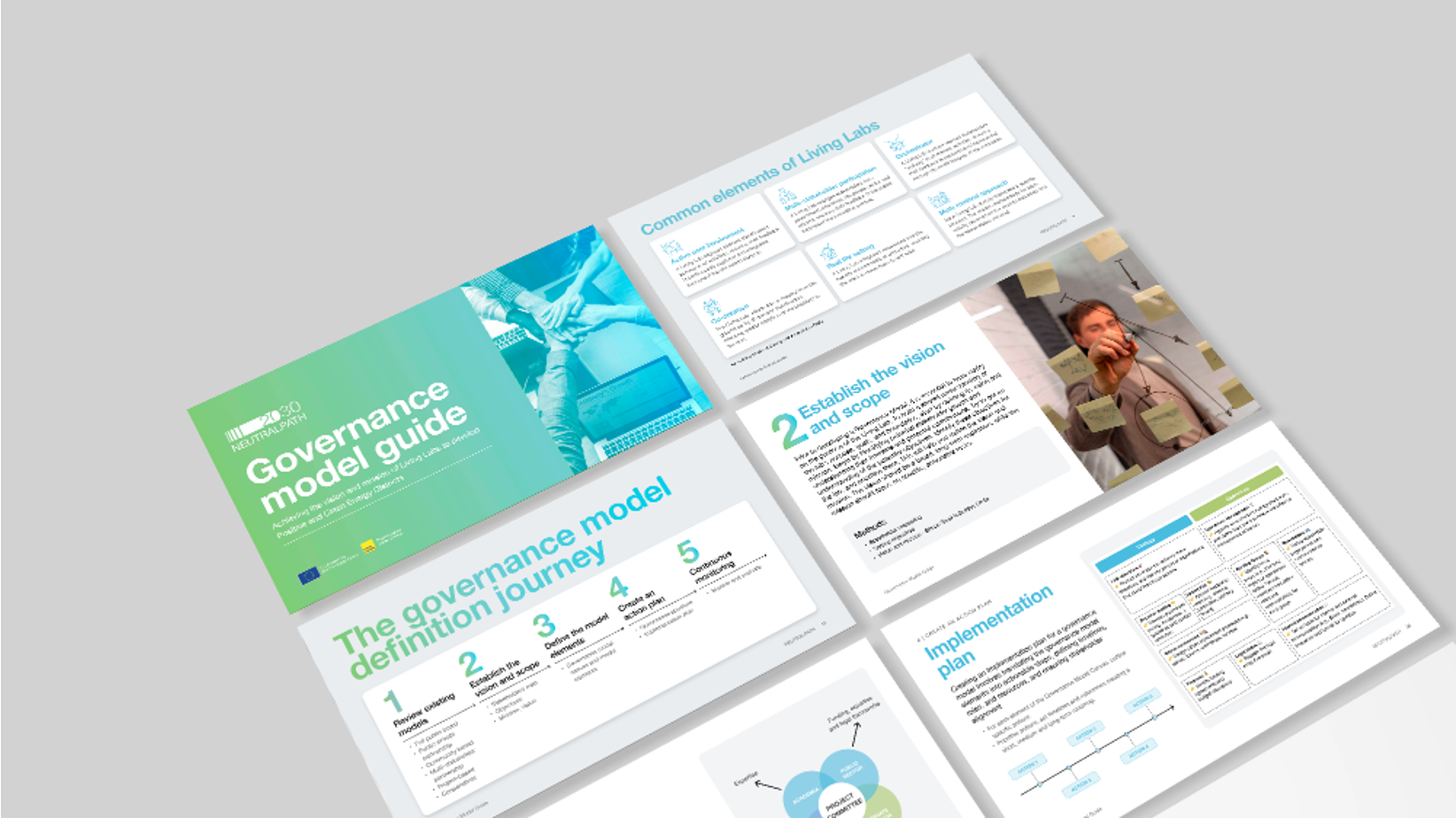
In the realm of innovation, a powerful force is at play – Participatory Design. Originating in the 1960s and 1970s in Scandinavia during the workplace democratisation movement, it has evolved into a transformative framework. Participatory Design isn't just about principles; it's a dynamic approach with structured methods and tools geared towards democratising innovation.
Setting the scene
Participatory Design thrives on a user-centric vibe, influenced by action research and sociotechnical design. The mission? Craft products and services that resonate with end-users by tapping into their knowledge and understanding of the world. Known also as cooperative design, it spans fields from architecture to user experience (UX) and product design. Recent research touts the effectiveness of co-design environments, where designers cook up more innovative concepts when they collaborate.There are many resources available from different practitioners and scholars. Yet, two guidebooks lead the way: Participatory Design: Principles and Practices by Douglas Schuler, which offers a comprehensive overview, and the Routledge International Handbook of Participatory Design by Jesper Simonsen and Toni Robertson, providing insights and real-world tales.
Navigating the landscape
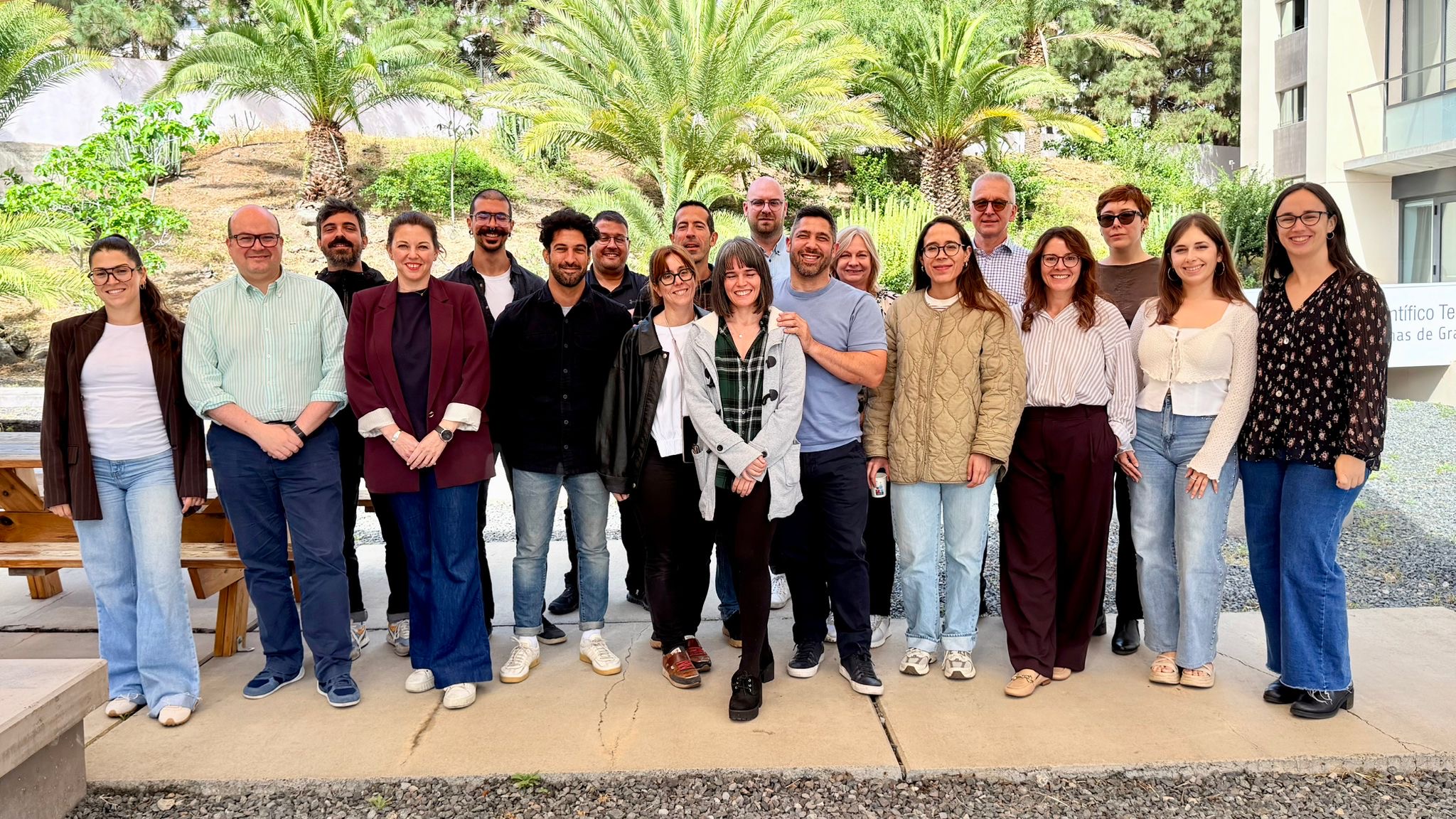
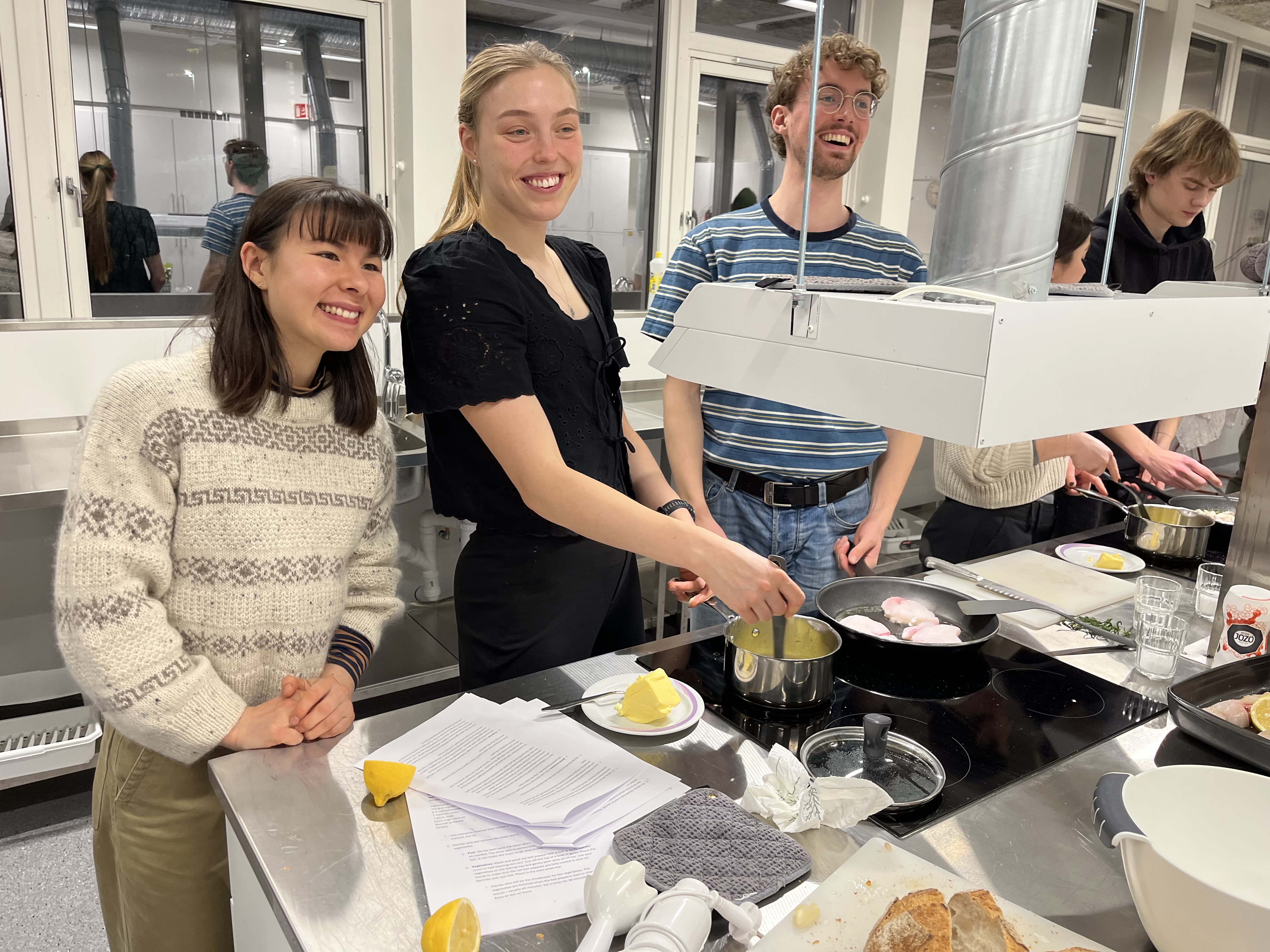
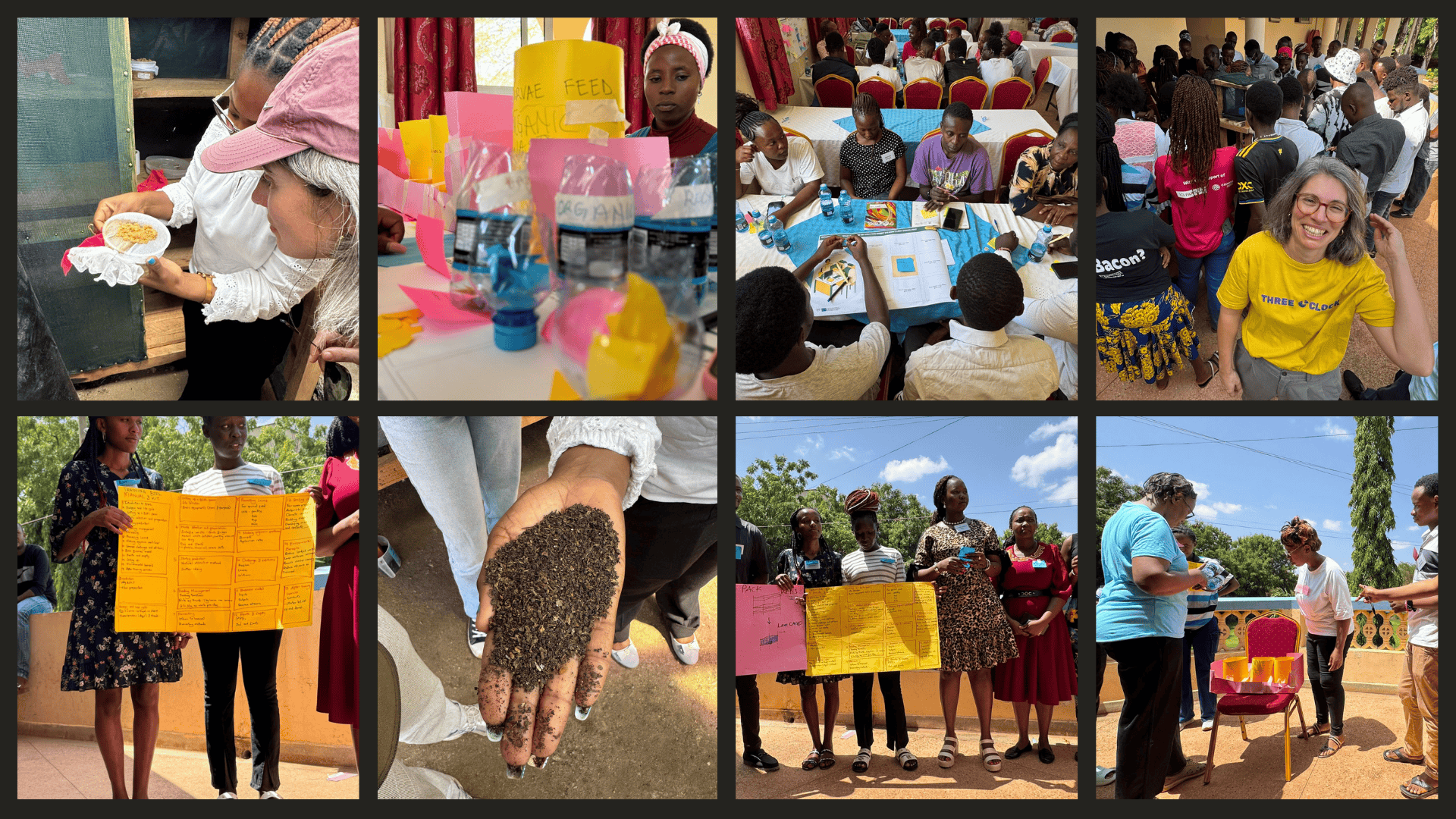
Three o'clock grooves to its own rhythm: sensing end-user needs, spotting issues, mapping key players as end-users, diving into their problem understanding, redefining it all, establishing design criteria, and weaving everything into valuable insights and fresh ideas, always in collaboration with stakeholders. It's an all-encompassing approach to grasp and solve problems.In action, Three o'clock ensures that new solutions systematically integrate diverse expertise for effective problem-solving. Co-design sessions kick off, gathering feedback from end-users – communities, organisations, and individuals gearing up to benefit. Strong facilitation skills are essential – the ability to connect with different audiences is the secret ingredient for defining and implementing new solutions, including building capacities and triggering behavioural changes in end-users as co-authors. Paired with design skills, robust facilitation transforms Participatory Design into a dynamic and inclusive creative process.
Tools of the trade
Crucial to Three o'clock's success are hands-on exercises and design canvases tailored for each co-design stage – stakeholder maps, problem definition, prototyping journeys, systems, and other experimentation and assessment tools.
Benefits galore
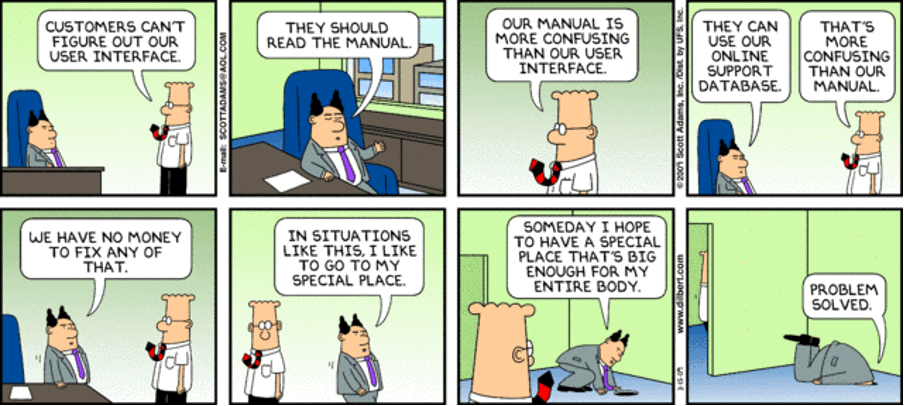
Participatory Design is a continual source of benefits. For designers, it provides a boost in end-user satisfaction, increased engagement, reduced development costs, and a burst of innovation adrenaline. Most importantly, it champions social inclusion, ensuring products and services are accessible to all, and unlike to this scenario:
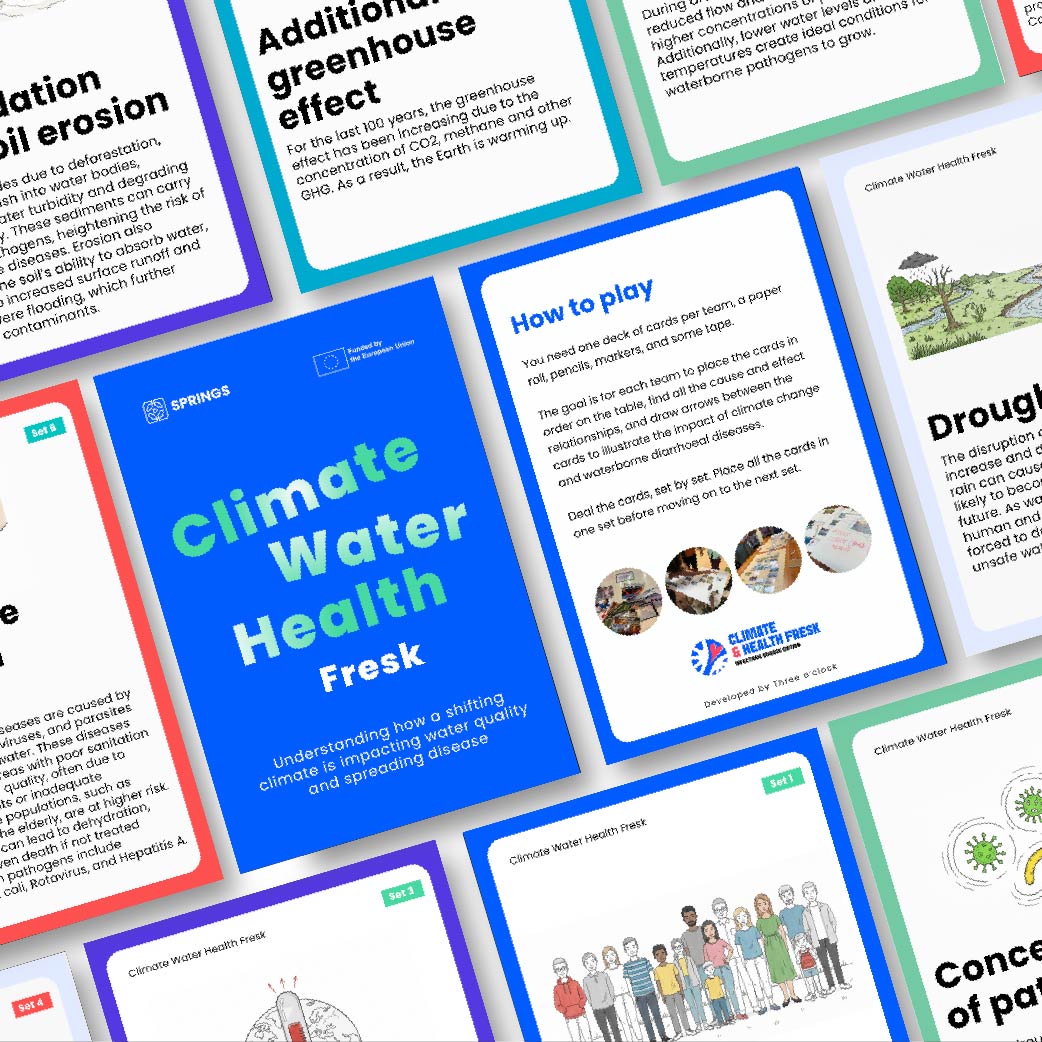
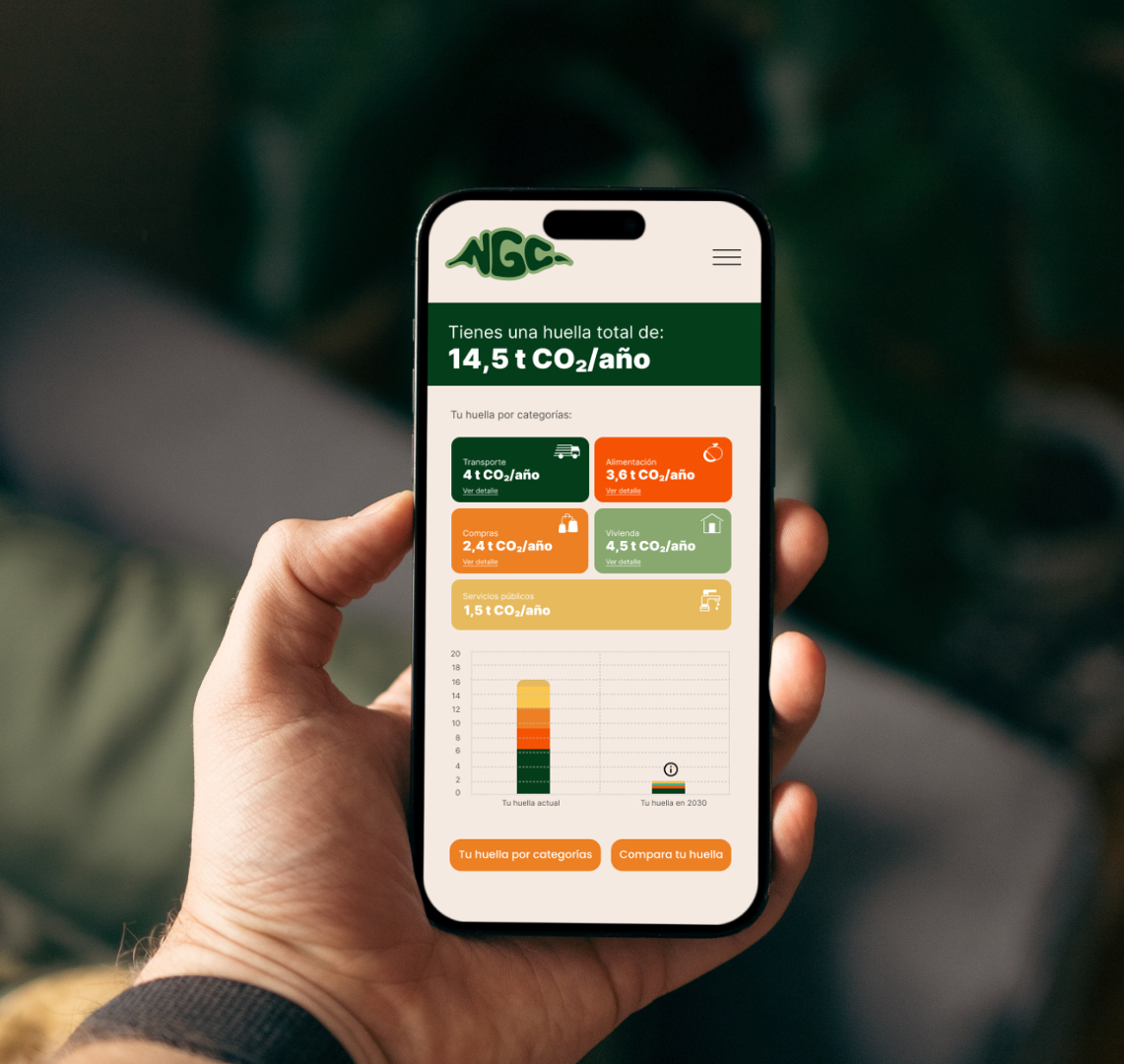
In Three o'clock's narrative, Participatory Design is a bundle of principles, praxis, methods, and tools that we continuously adjust and integrate into the collaborative workflows of Horizon Europe, Erasmus+, and B2B initiatives. This is how we roll to achieve the goal – building the capacity of a resilient society and a healthier Earth.
.png)
.jpeg)
.png)
.png)
.png)