Diarrhoeal diseases remain one of the leading causes of death among children under five, claiming more than 500,000 lives each year. Climate change threatens to reverse progress made in reducing this burden. Understanding and preparing for the impact of climate shocks on waterborne diarrhoeal diseases is critical for safeguarding public health and informing effective adaptation policies.
In the SPRINGS project, a central challenge lies in translating complex scientific knowledge into actionable insights for diverse audiences. Policymakers, health authorities, environmental agencies, researchers, and communities all need accessible and targeted information to make informed decisions and implement preventive measures, ensuring that research findings do not remain confined to academic publications but reaches the people who can use it, understand it, and act on it.
Three o’clock addresses this challenge by designing and implementing a strategy for communication, dissemination, and exploitation. Our goal is to raise awareness, foster knowledge exchange, and support evidence-based climate, environmental, and health adaptation policies, both in Europe and globally.
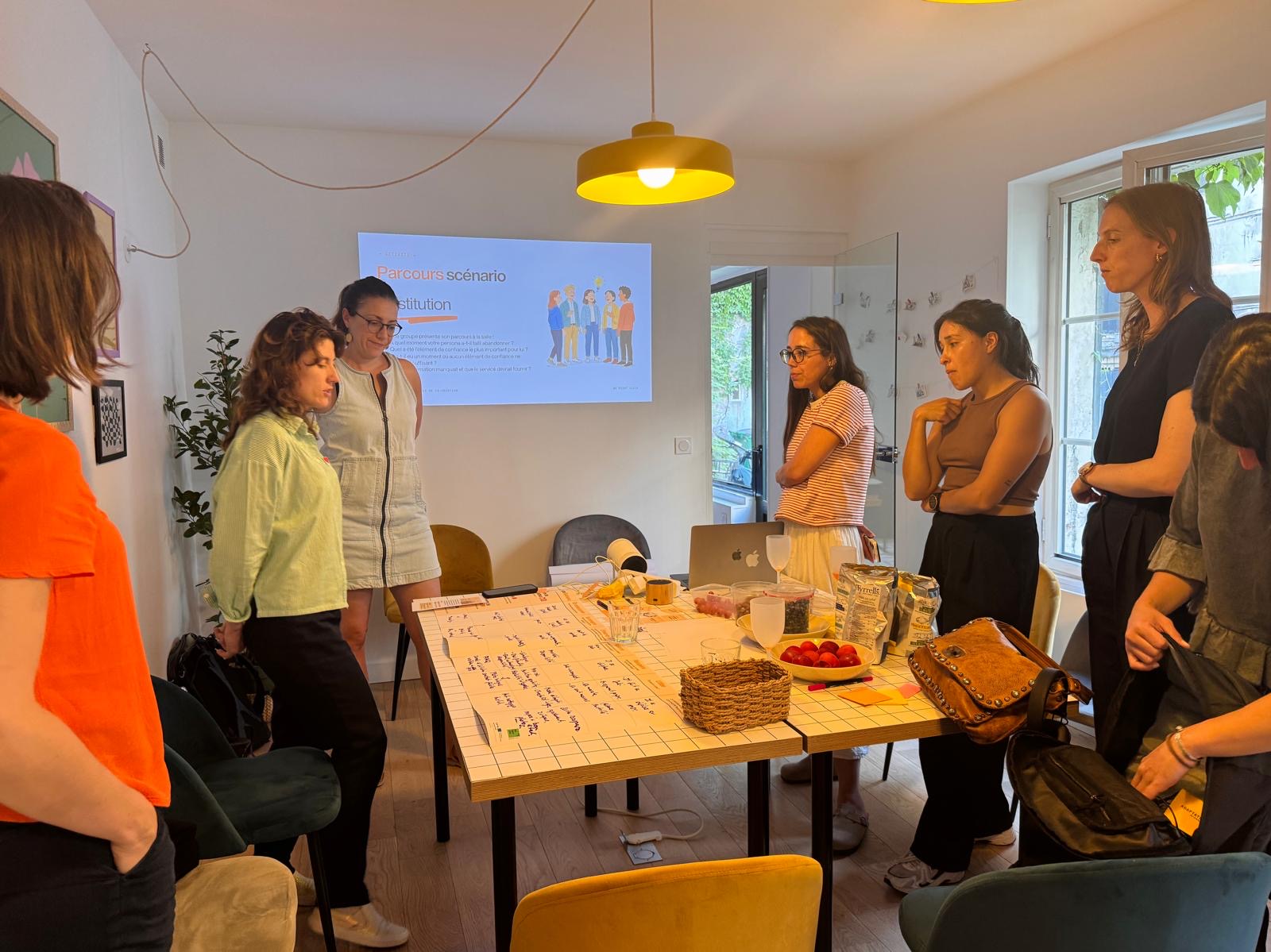
To make sure SPRINGS’ research drives real-world change, Three o’clock focuses on connecting science with people who can act on it. We started by mapping key stakeholders to understand who needs to be reached and how. This helped shape a communication strategy that translates findings into messages tailored to policymakers, researchers, and communities.
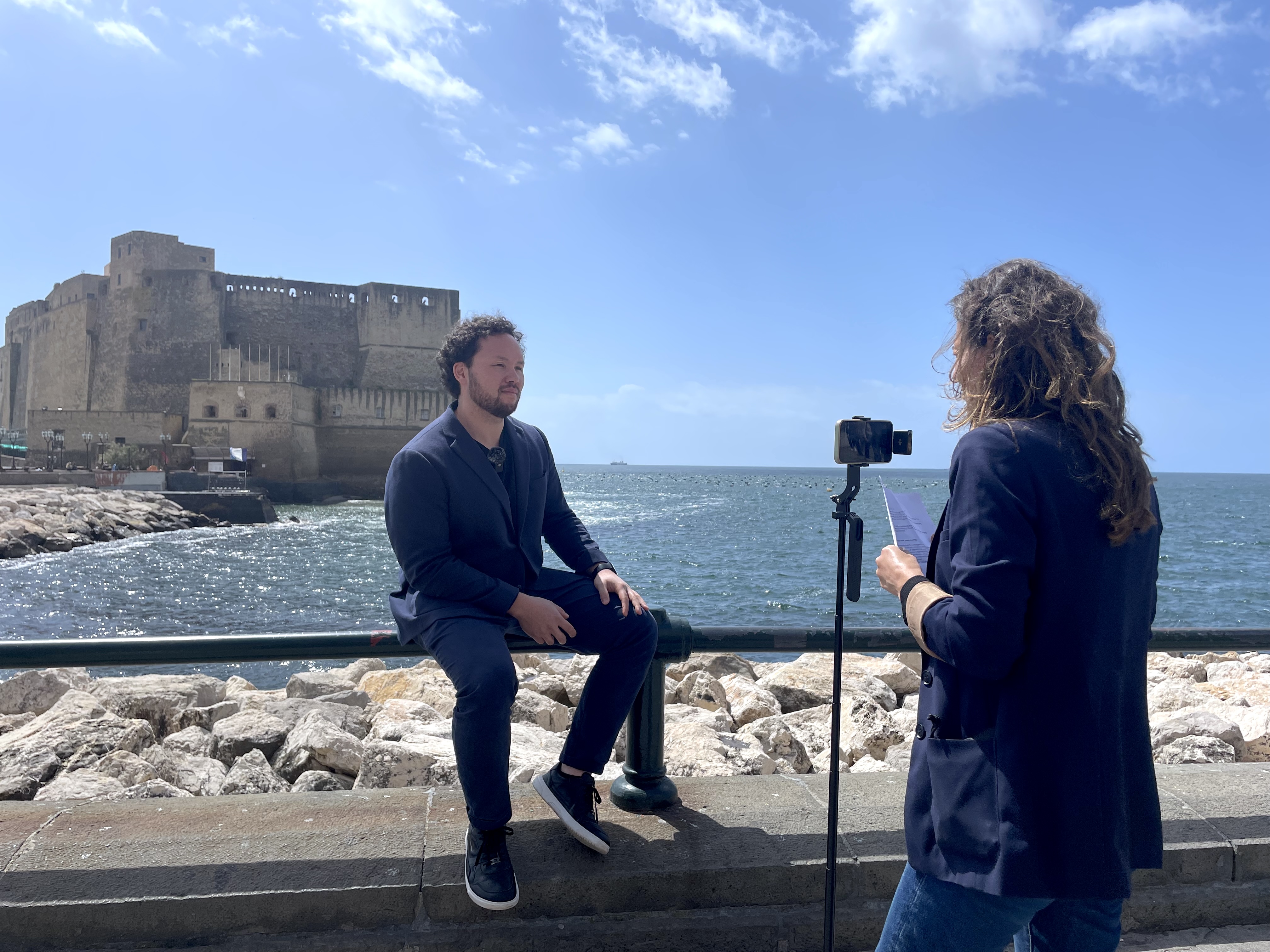
Through a mix of storytelling, events, and dialogue spaces, we are building bridges between science, policy, and society, helping decision-makers use evidence, raising awareness among citizens, and supporting collaboration across sectors. We are also working to ensure that the project’s results are used to inform adaptation policies and public health planning, developing strategies to maximise their impact even after the project ends.

Three o’clock has already delivered concrete results in SPRINGS. We created a stakeholder mapping and engagement strategy that not only guides our communication but also helps our partners tailor their activities across the project.
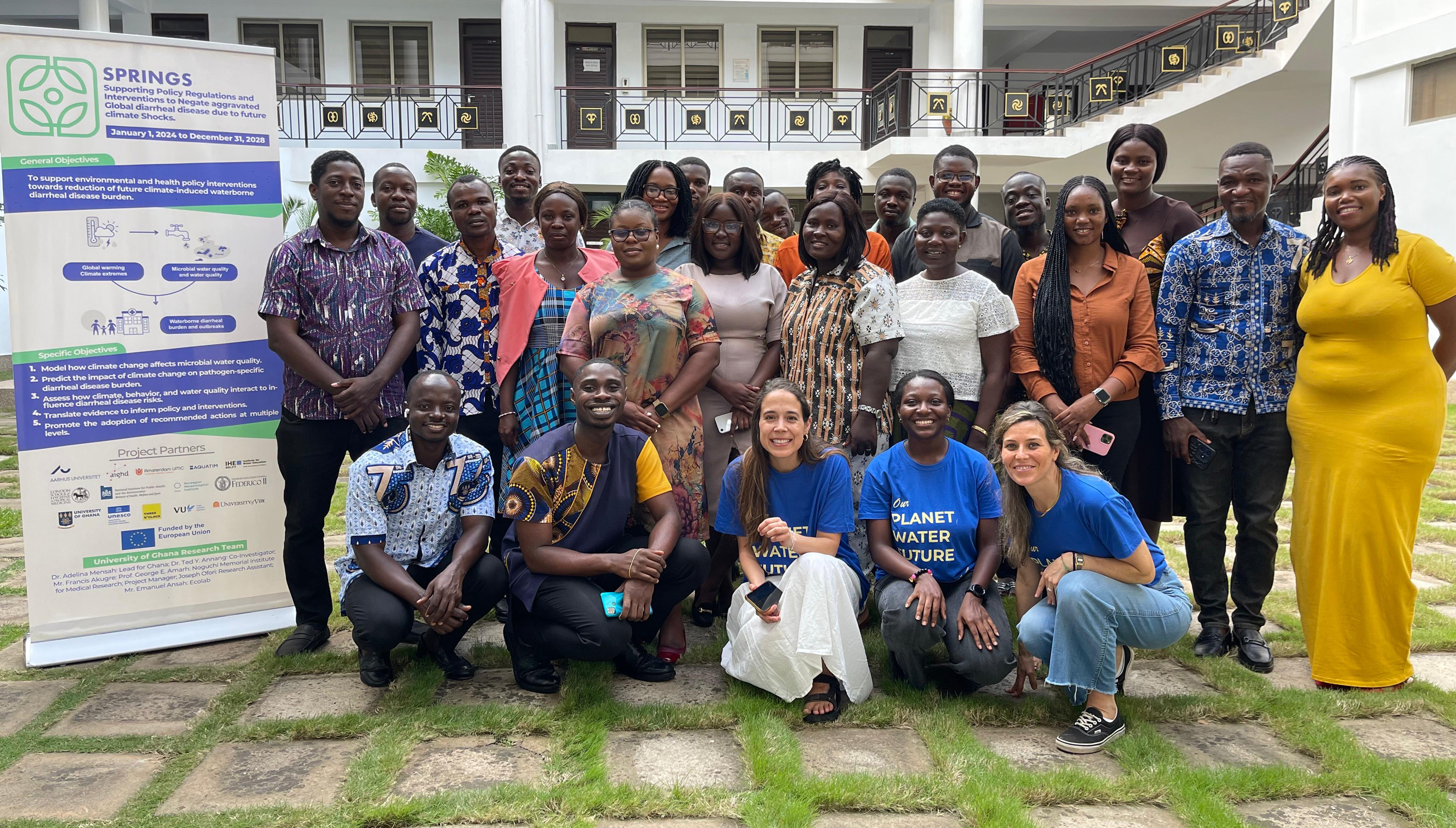
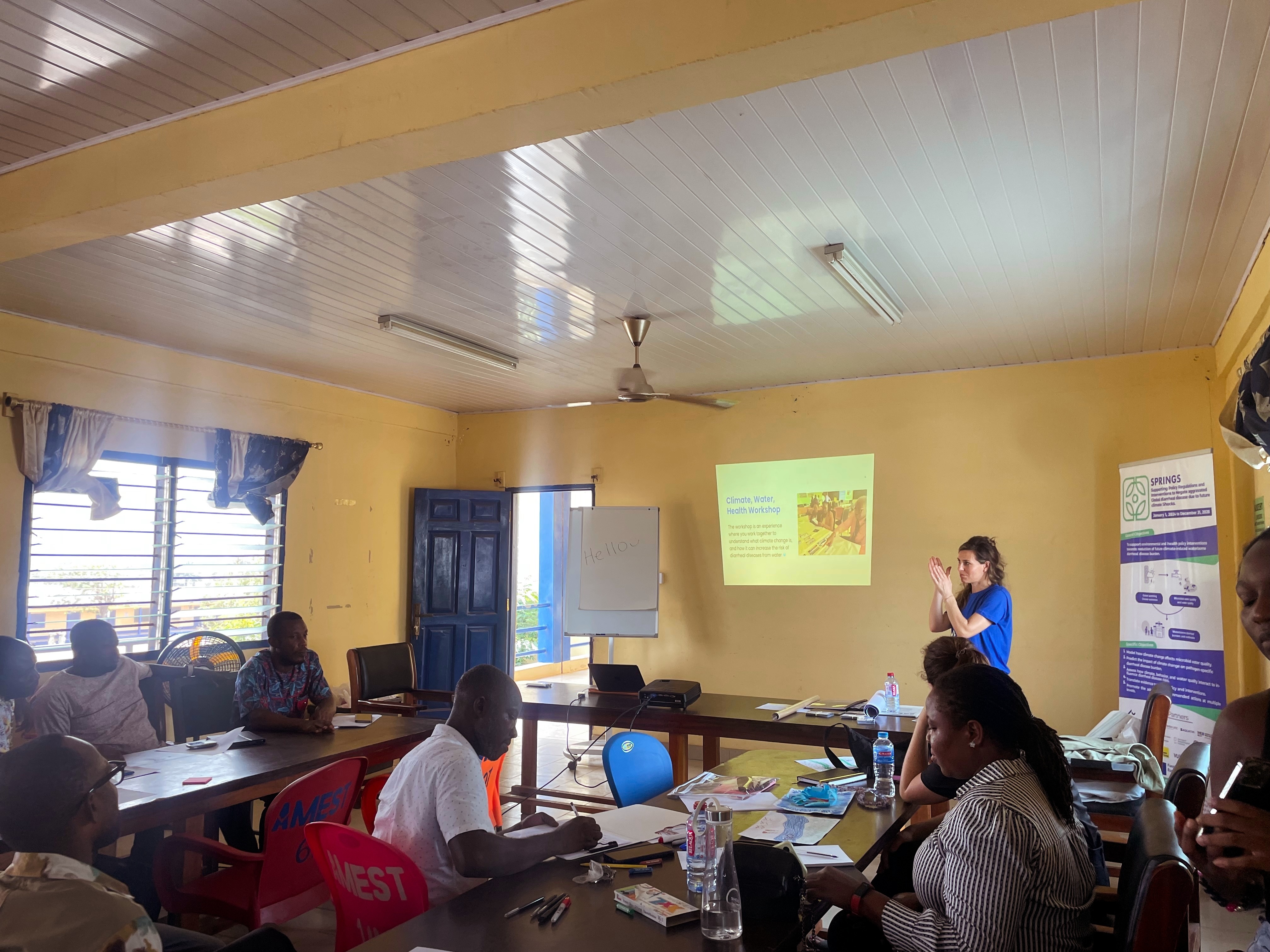
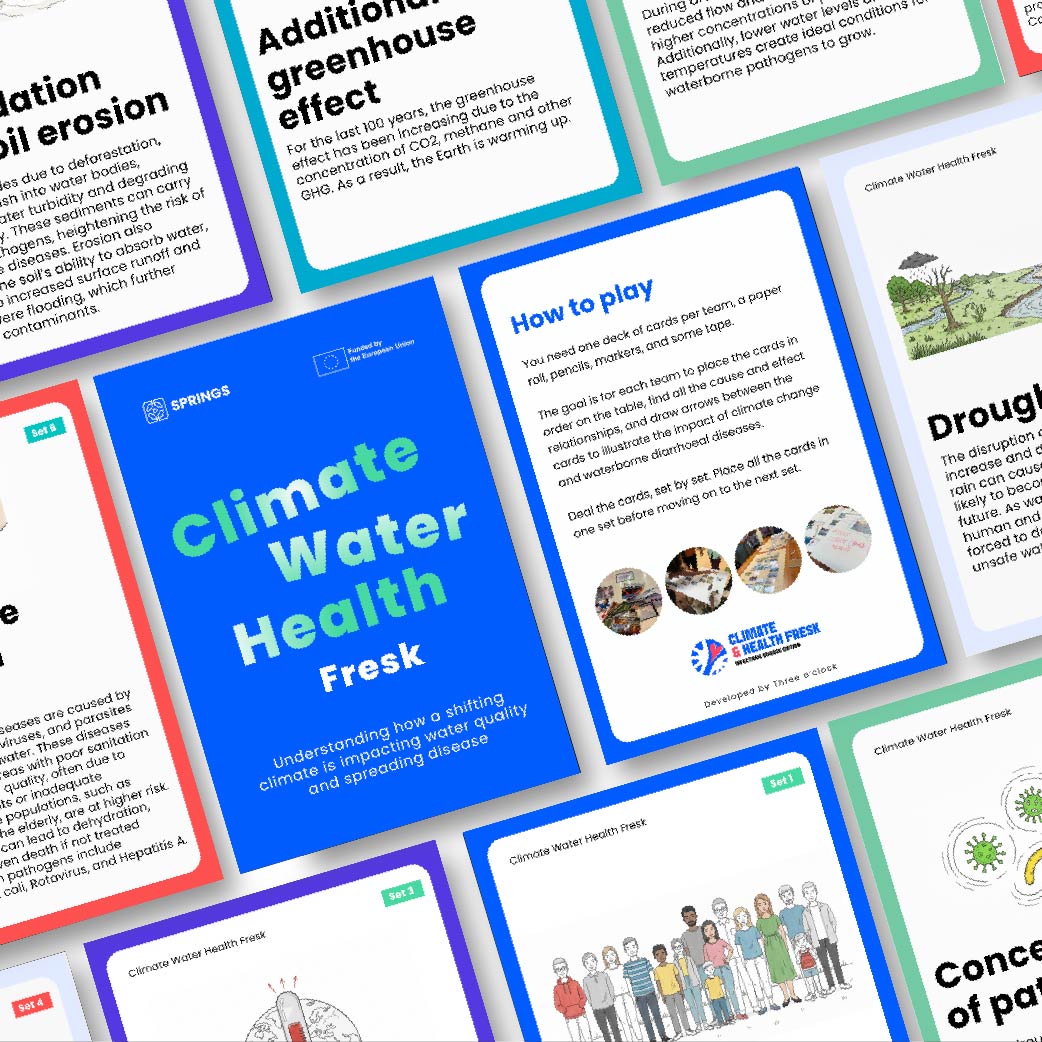
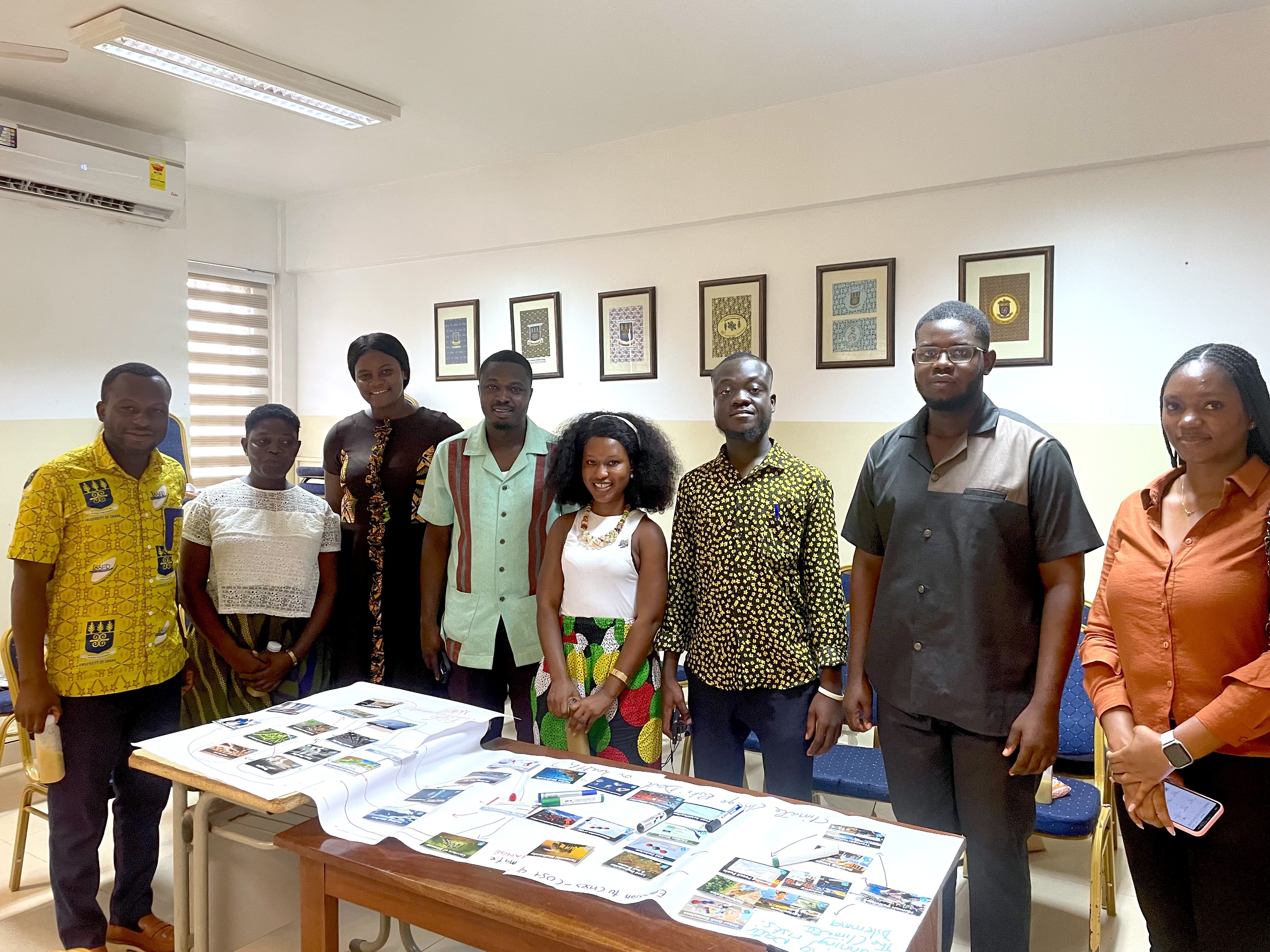
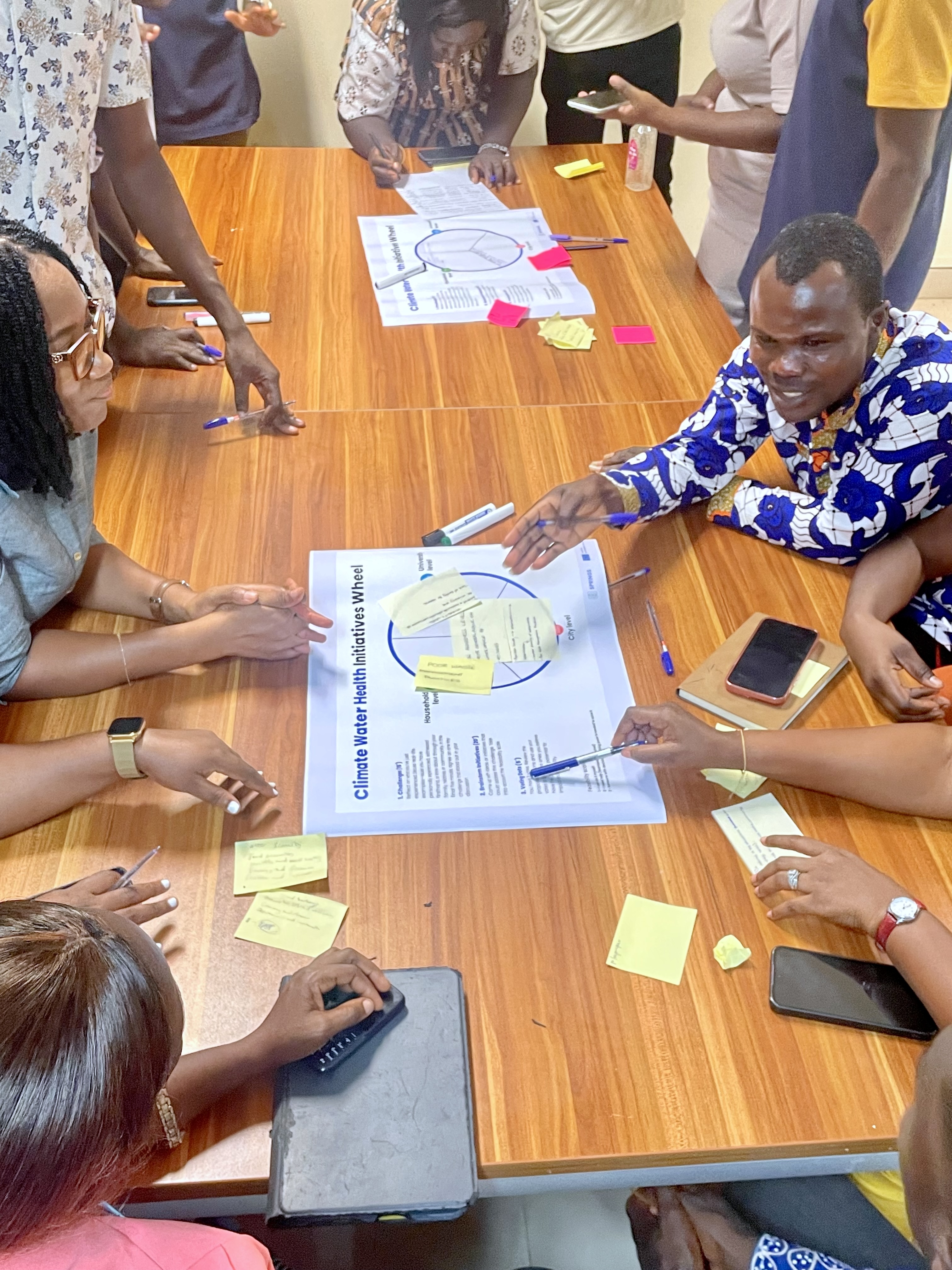
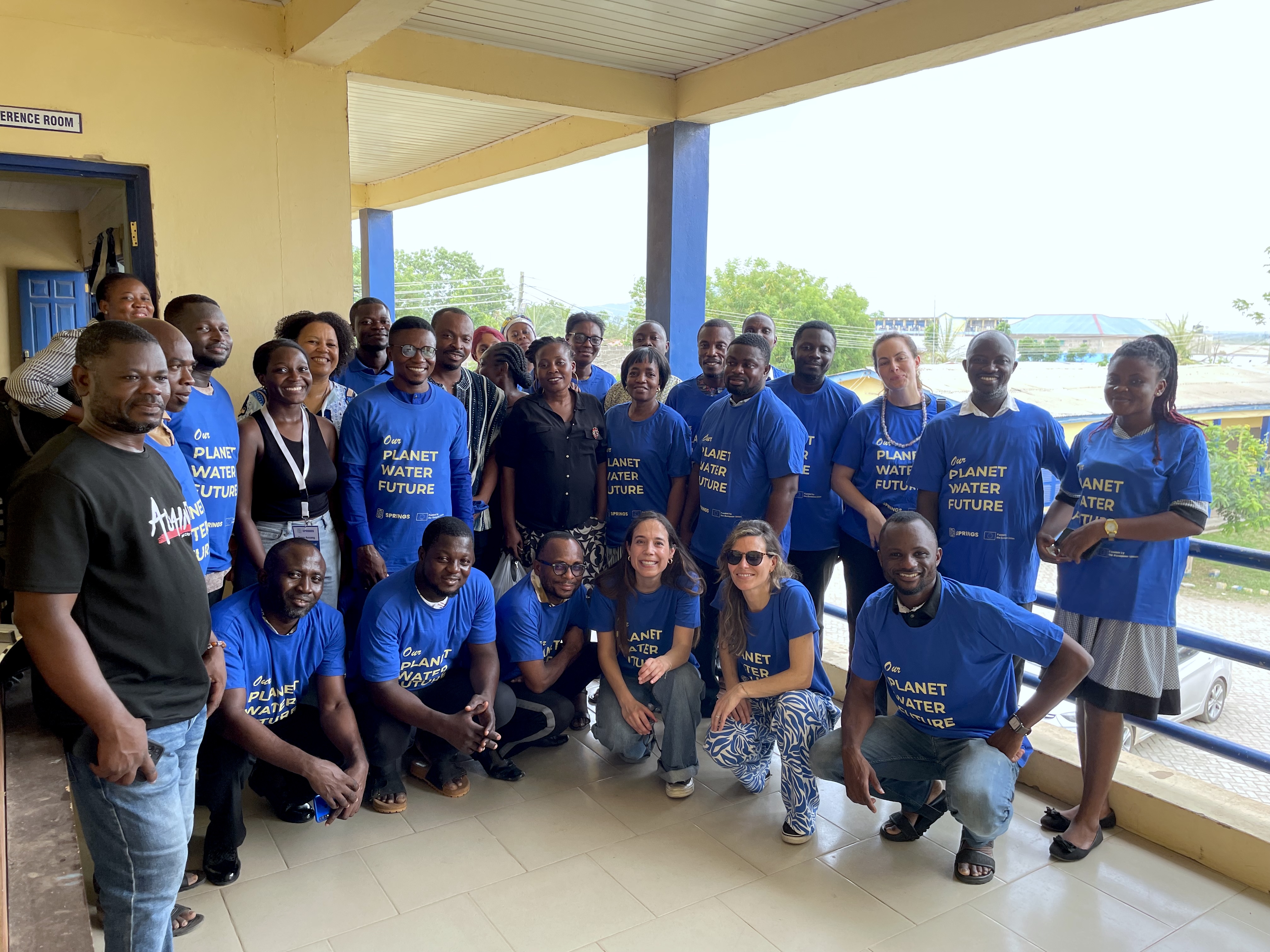
Our communication uses a mix of channels, reaching high levels of engagement on social media, the project website, and through press releases. On the ground, we ran awareness-raising workshops in Ghana at one of the case study sites, working with local teachers and using a game-based approach to help their students understand the effects of climate change on public health. We also ran workshops with Master students at the University of Ghana, reaching over 50 participants across both sessions. Plans are underway to replicate similar workshops in Romania in the coming years.
In addition, in collaboration with partners in the project, we created dialogue spaces with local policymakers and relevant stakeholders, including water utility representatives and district authorities, to prioritise SPRINGS’ work in the case study sites in the coming years.
As the project progresses, we will continue to engage stakeholders, produce easy-to-use formats of SPRINGS’ main results, create spaces for dialogue between academia, policymakers, and communities, and develop an exploitation strategy to ensure the project leaves a legacy.
This work was developed as part of the SPRINGS project, a Horizon Europe research initiative coordinated by Amsterdam UMC. The project focuses on understanding and addressing the impacts of climate change on waterborne diarrhoeal diseases by translating scientific knowledge into actionable insights for policymakers, health authorities, and communities.
.png)