.png)
IDAlert’s objective is ambitious: to strengthen Europe’s capacity to anticipate and respond to emerging climate-sensitive infectious diseases. The project develops early warning systems, risk models, and decision-support tools based on a One Health approach, integrating data from human, animal, and environmental health.
The challenge lies not in producing these outputs, but in making them usable. IDAlert generates complex models, indicators, and surveillance insights intended for a wide range of users, including public health authorities, risk assessors, policymakers, and practitioners across sectors. Without targeted communication and clear pathways for uptake, these outputs risk remaining technical deliverables rather than tools that inform real-world decisions.
At the same time, IDAlert addresses risks that are often invisible to the public until outbreaks occur. Concepts such as early warning, vector ecology, and One Health require explanation and framing to build awareness and trust.
For IDAlert to achieve its objectives, a communication and exploitation approach that clarifies the value of its outputs, translates them for different audiences, and supports their use beyond the research community and beyond the project’s lifetime is required.
Three o’clock’s role is to close this gap between research ambition and real-world application.
.png)
.png)
.png)
Three o’clock leads communication, dissemination, and exploitation activities across IDAlert, with a focus on turning complex science into accessible, engaging, and actionable formats.
We developed a communication strategy spanning social media, newsletters, visual assets, and campaign materials, ensuring consistent messaging across audiences and partners. Rather than relying solely on institutional channels, we designed campaigns that meet people where they already are, both online and in public space.
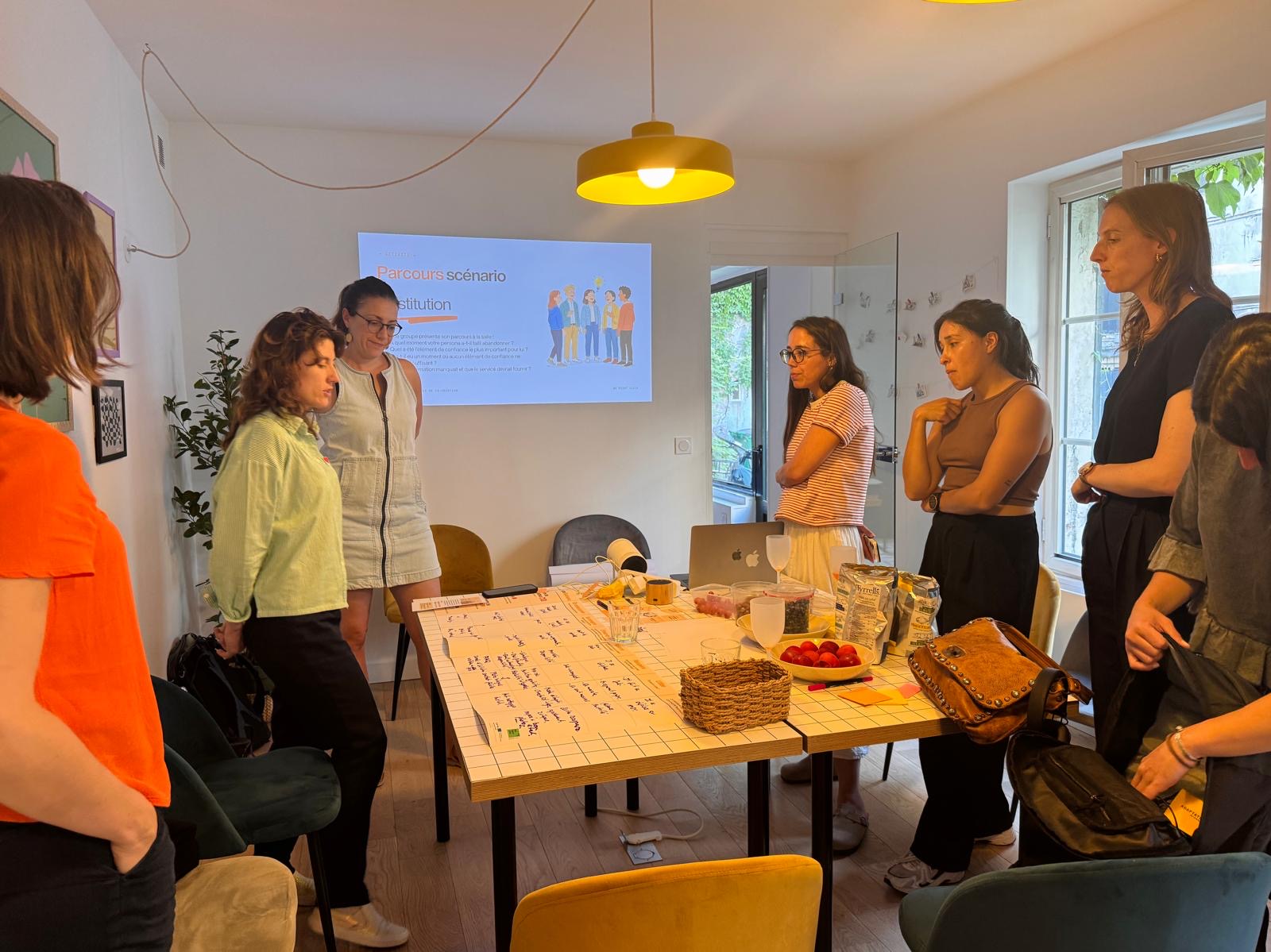
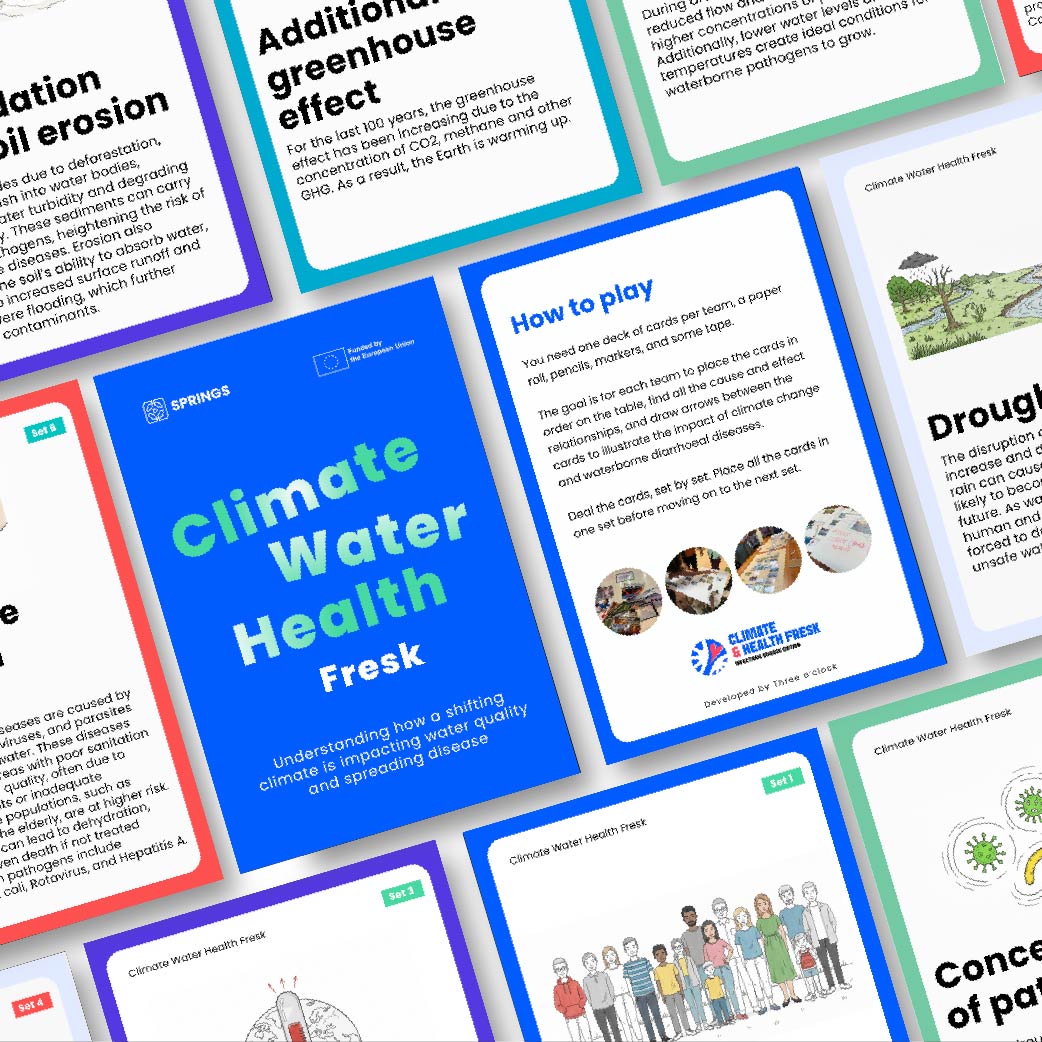
A core strand of our work is education and awareness. We designed an interactive, card-based educational workshop to introduce the One Health concept, helping participants understand the links between climate, ecosystems, animals, and human health. The format is hands-on, encouraging discussion rather than passive learning.
Alongside dissemination, we are currently leading the development of IDAlert’s exploitation strategy. This work focuses on identifying who can use the project’s tools, data, and insights after the project ends, and defining concrete pathways for uptake by public authorities, health agencies, and other stakeholders.
.png)
Our ongoing communication activities have built visibility for the project across digital channels, supporting partner engagement and reinforcing IDAlert’s role within the European One Health landscape.
The One Health card-based workshop provides a reusable educational tool that partners can adapt for different contexts, supporting capacity building beyond the life of the project. The workshop was carried out in 2 European universities with Master students, and at the Centre d’Estudis Avançats de Blanes (CEAB-CSIC), as part of their Science Week, with citizens. This session created a valuable space for open dialogue about climate and health challenges and opportunities, with special emphasis on the work IDAlert is advancing in Catalonia.
We are supporting the Red Cross Red Crescent Climate Centre in the roll out of a public-facing wild posting campaign on ticks. The campaign, Time Is Ticking (www.timeisticking.art), blends art and science and demonstrates how EU-funded research can engage the public in non-traditional ways, raising awareness of ticks and climate-health links outside academic and policy settings. We developed and designed the website and supported the final poster printable layouts. Artwork and logistics by Rebeka Ryvola.
By embedding exploitation thinking early, we are helping ensure that IDAlert’s outputs are positioned for real-world use. This includes clarifying value propositions for different user groups, identifying ownership pathways, and reducing the risk that tools and insights disappear once funding ends.
As IDAlert progresses, we are continuing to refine communication formats, support partners in dissemination, and develop an exploitation roadmap that aims to leave a lasting legacy in climate-sensitive disease preparedness.
.png)
.png)
.png)
Part of the IDAlert project
This work is developed as part of IDAlert, a Horizon Europe research initiative focused on improving early warning, preparedness, and response to emerging climate-sensitive infectious diseases using a One Health approach. The project brings together expertise across health, climate science, ecology, and policy to reduce future disease risks in Europe.