To effectively tackle water pollution, stakeholders need advanced technologies and AI-powered insights to identify and manage contaminants with greater precision. At the same time, citizens, especially younger generations, require stronger awareness of the pollutants present in runoff water and a better understanding of their impacts on health and the environment. Closing these knowledge and technology gaps is crucial to protecting urban water quality for the future.
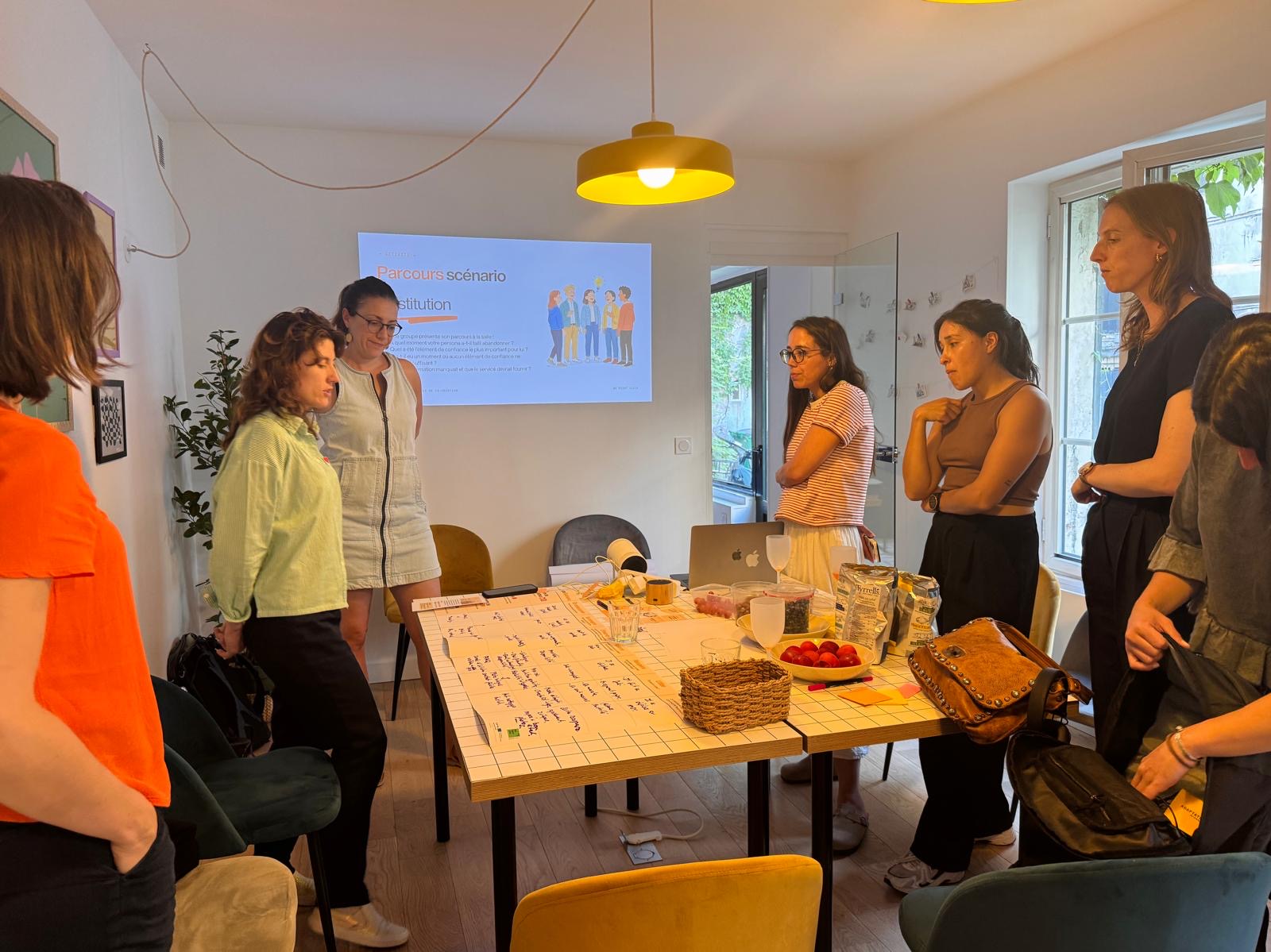
By engaging stakeholders from the very beginning, Three o’clock fostered collaboration to develop innovative solutions for sustainable water management. Through co-design processes, including in-person and online workshops and targeted surveys, local authorities, researchers, and communities work together to identify practical solutions, gaps, and needs to reduce pollution and improve water quality. In parallel, local activities and awareness-raising events such as Open Days, games, and online campaigns informed citizens about the importance of stormwater management and encourage more responsible environmental behaviours.
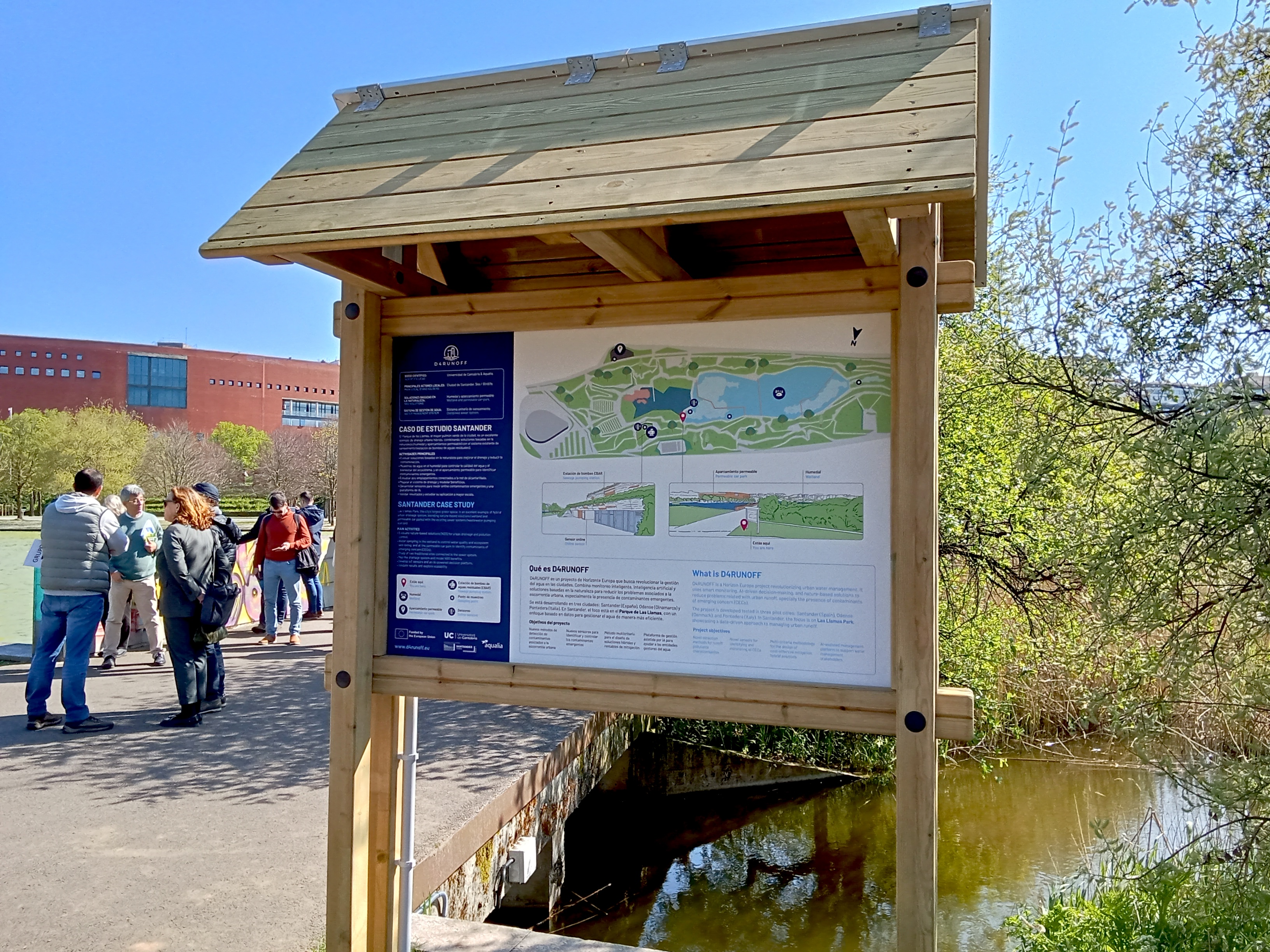
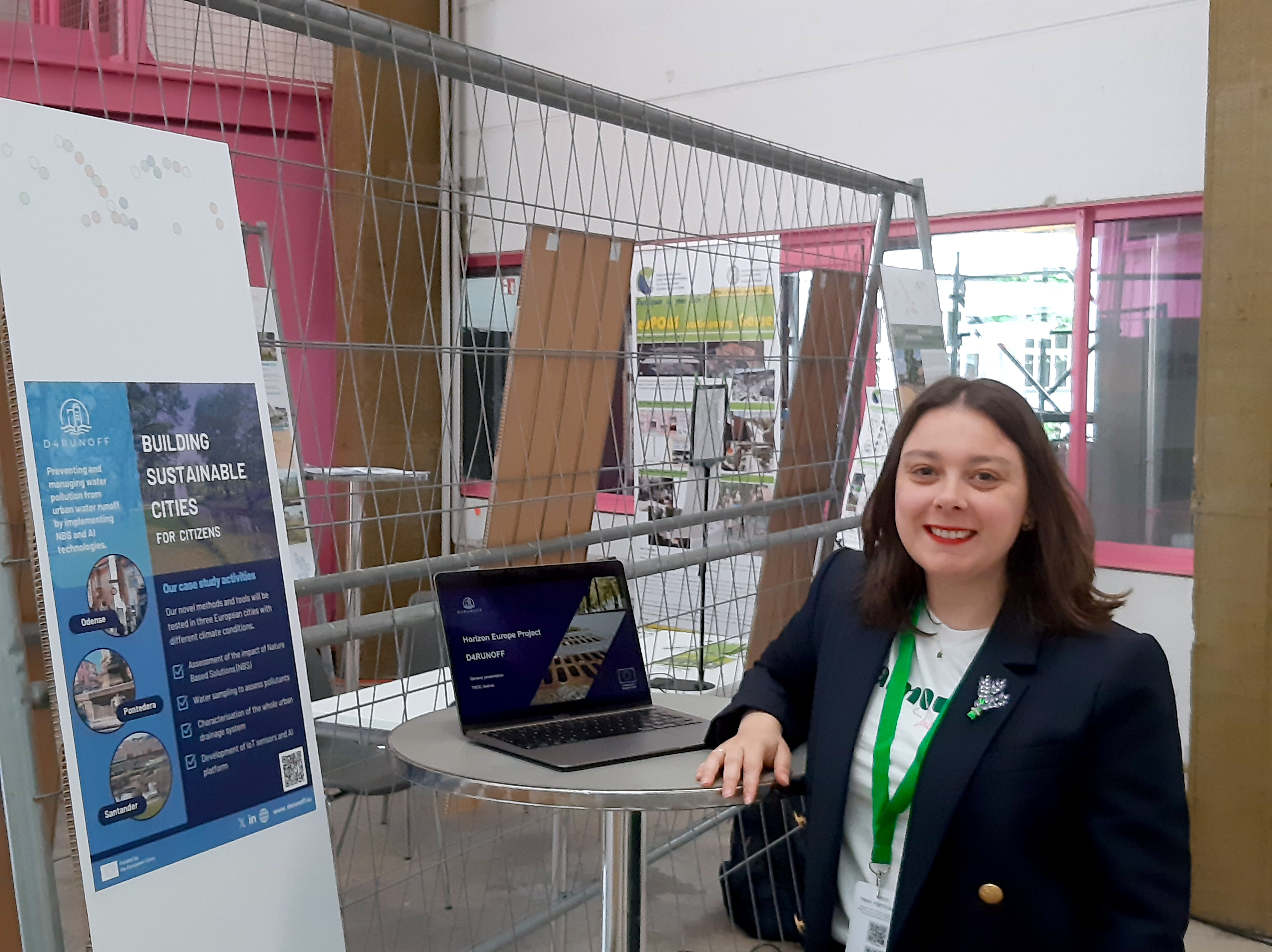
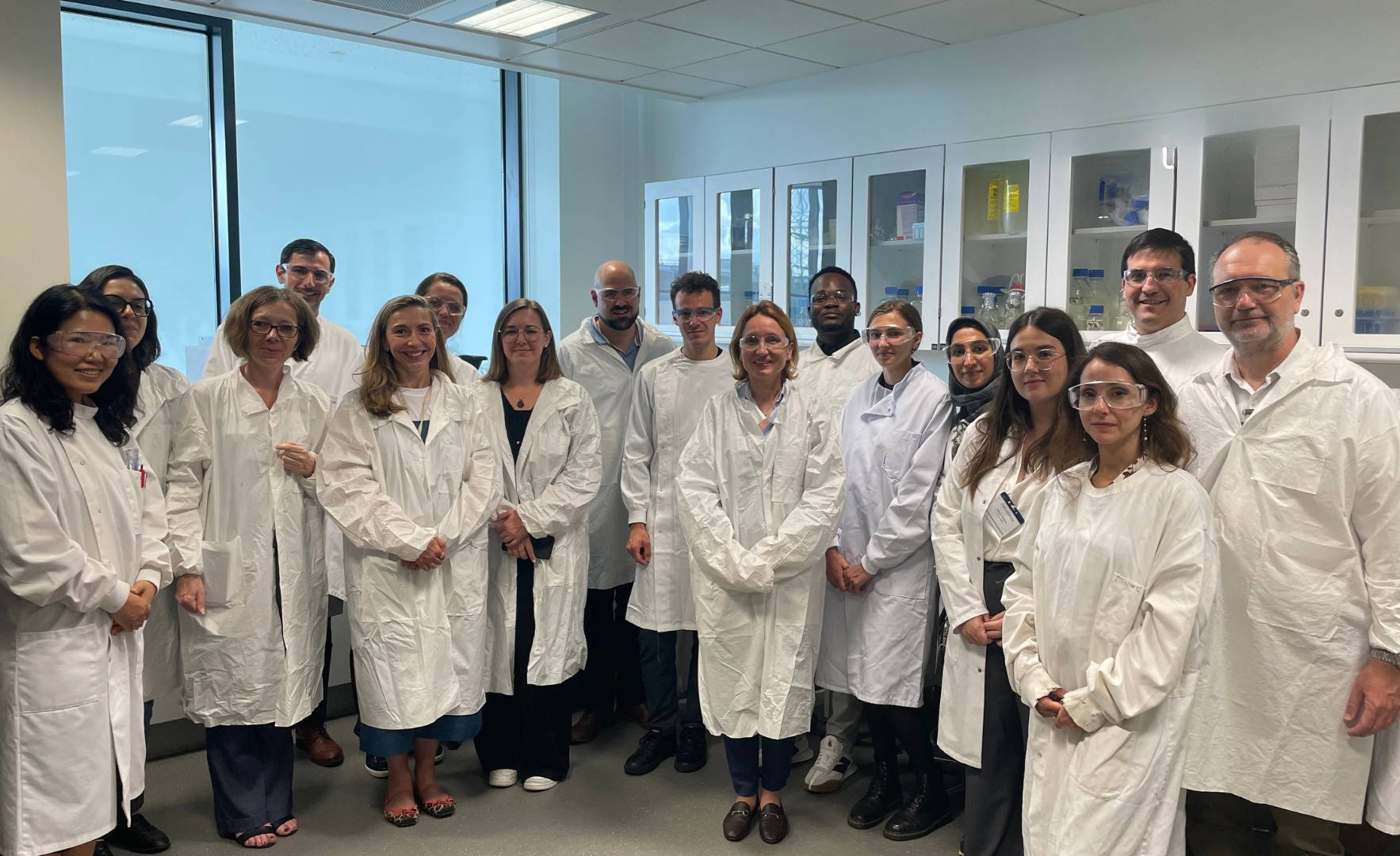
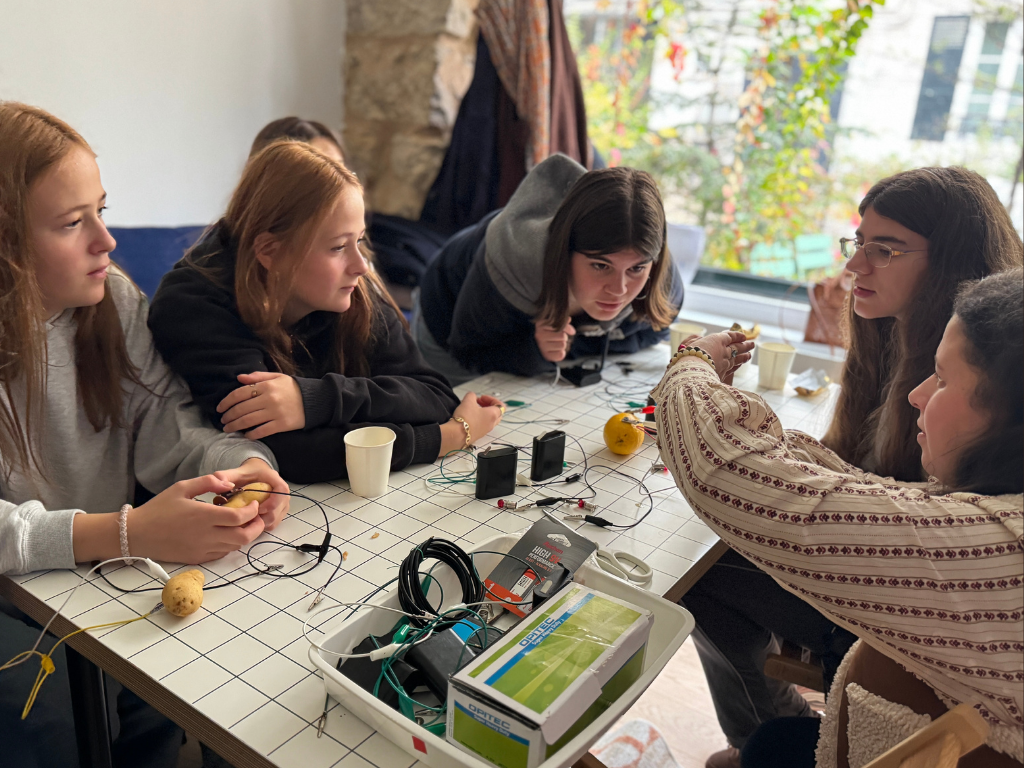
Through three Open Days held across the pilot areas, Three o’clock engaged local stakeholders and citizens, especially children, by showcasing the project’s innovations and raising awareness about key challenges in the water management sector.
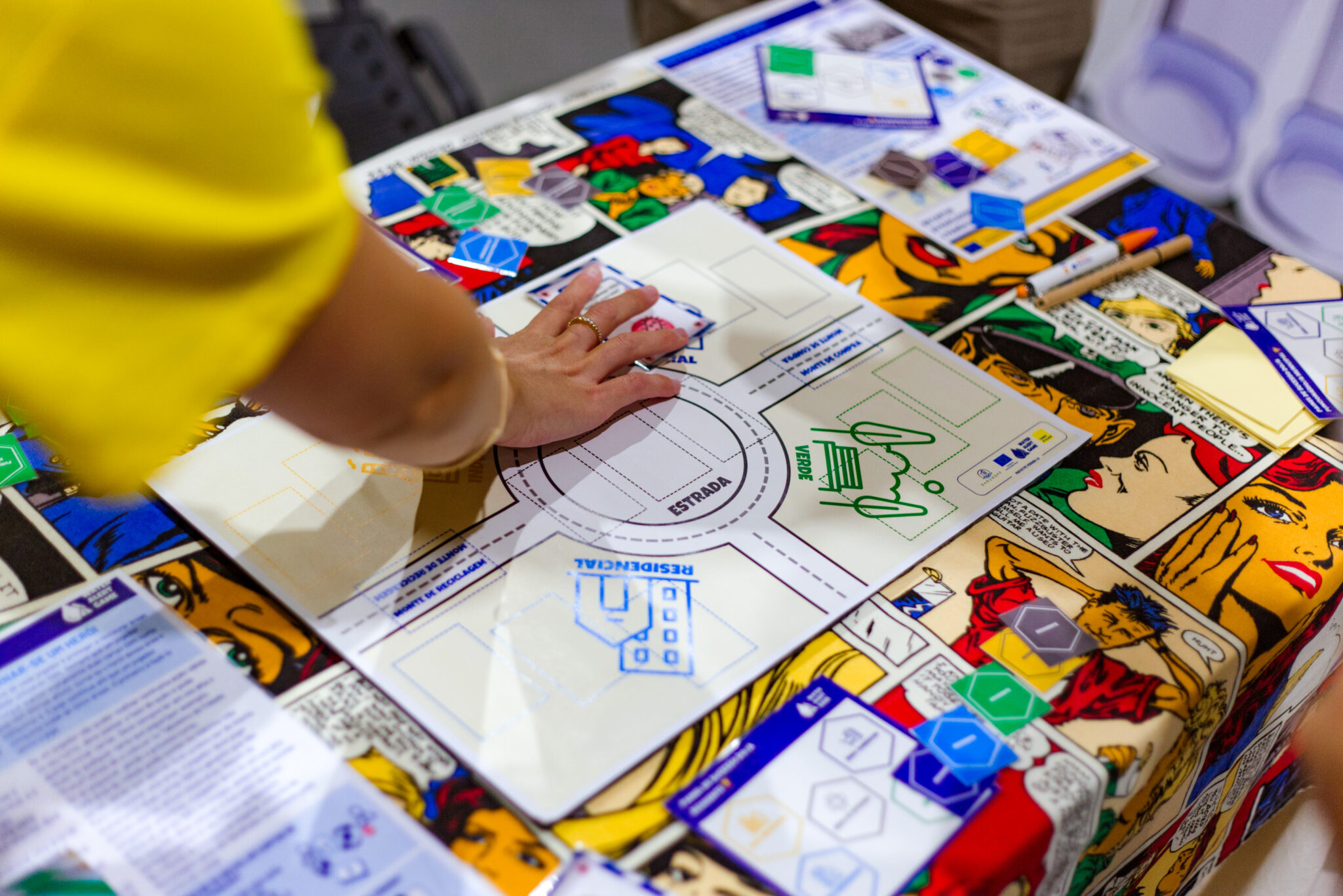
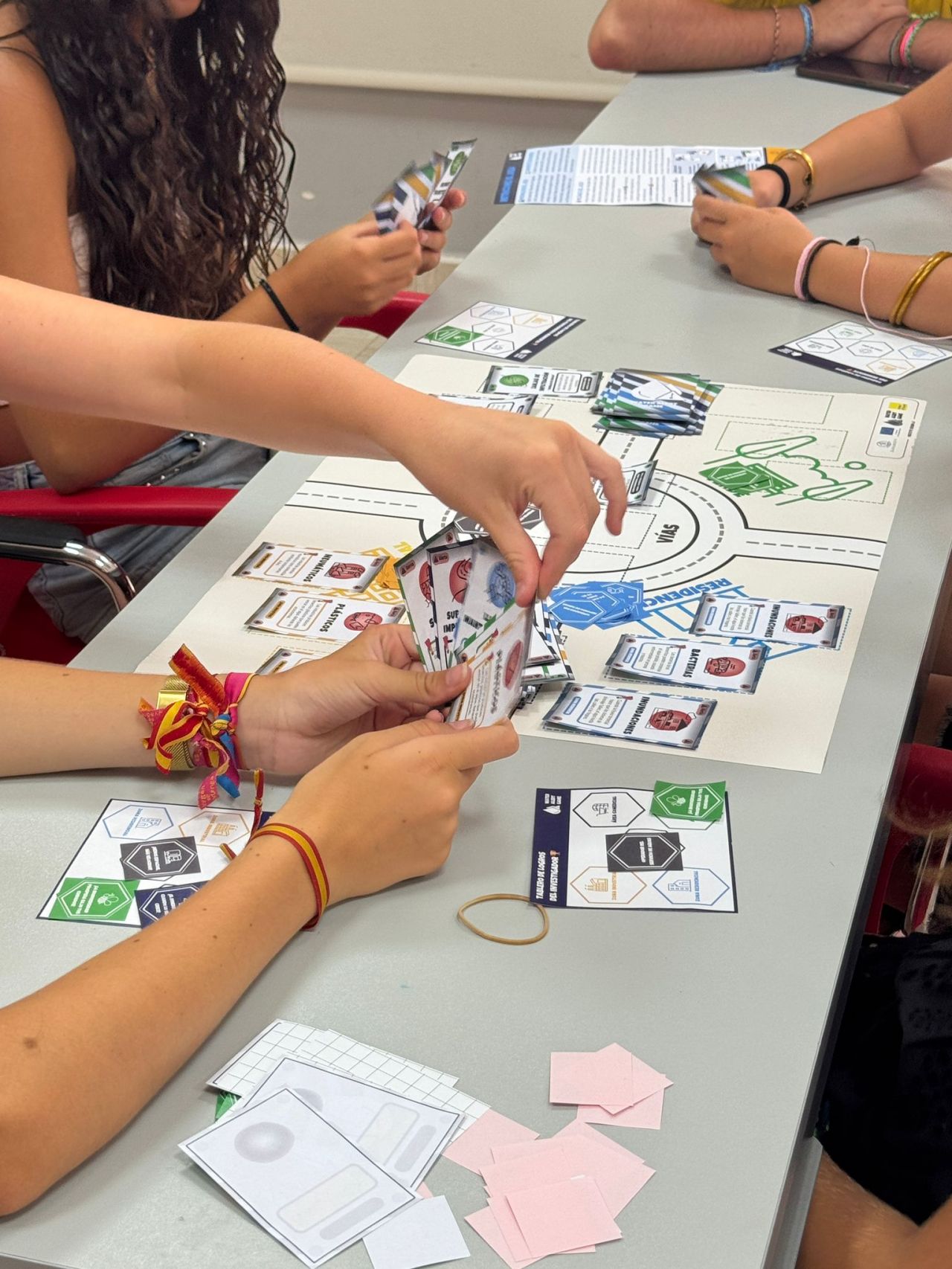
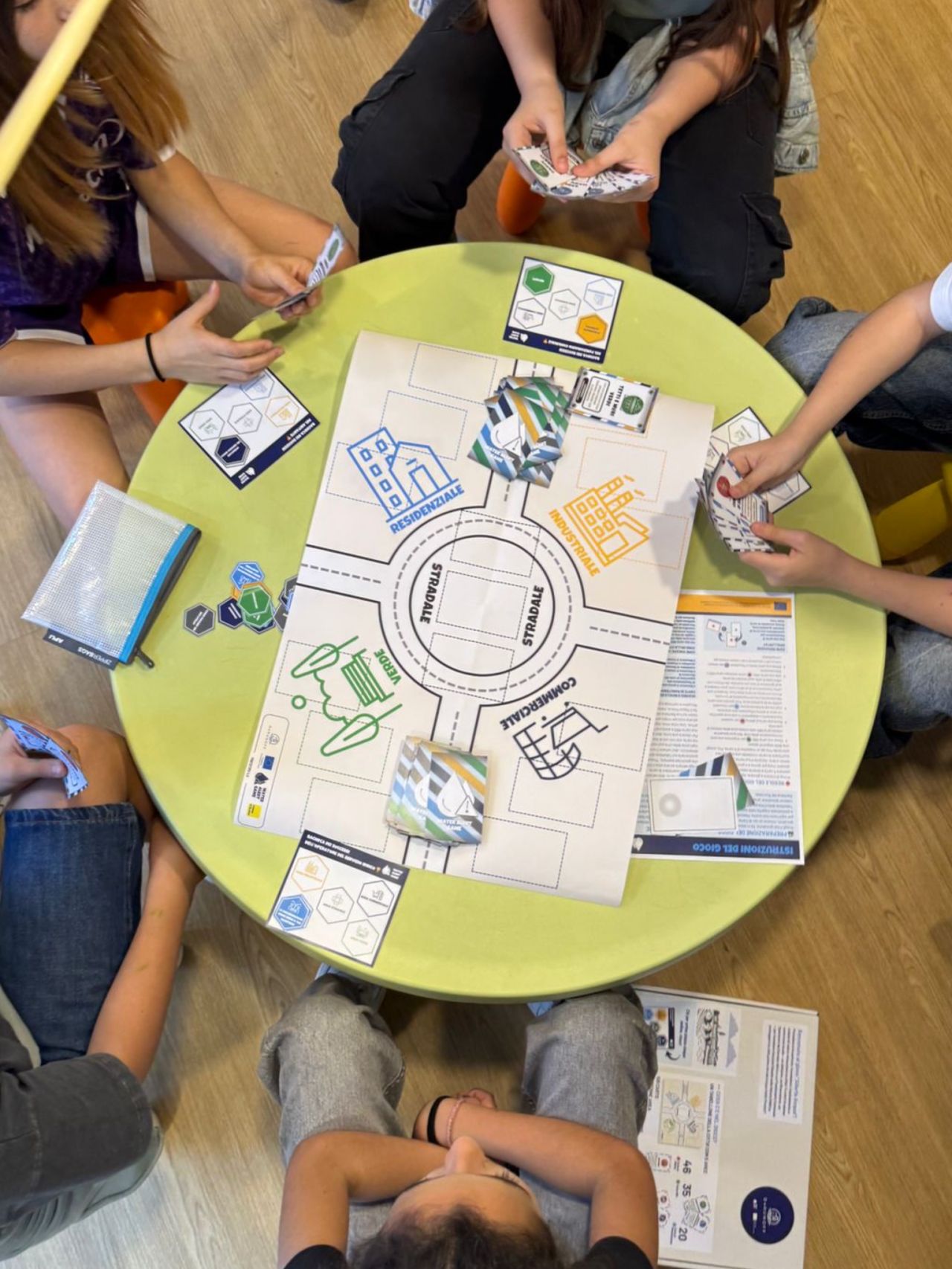
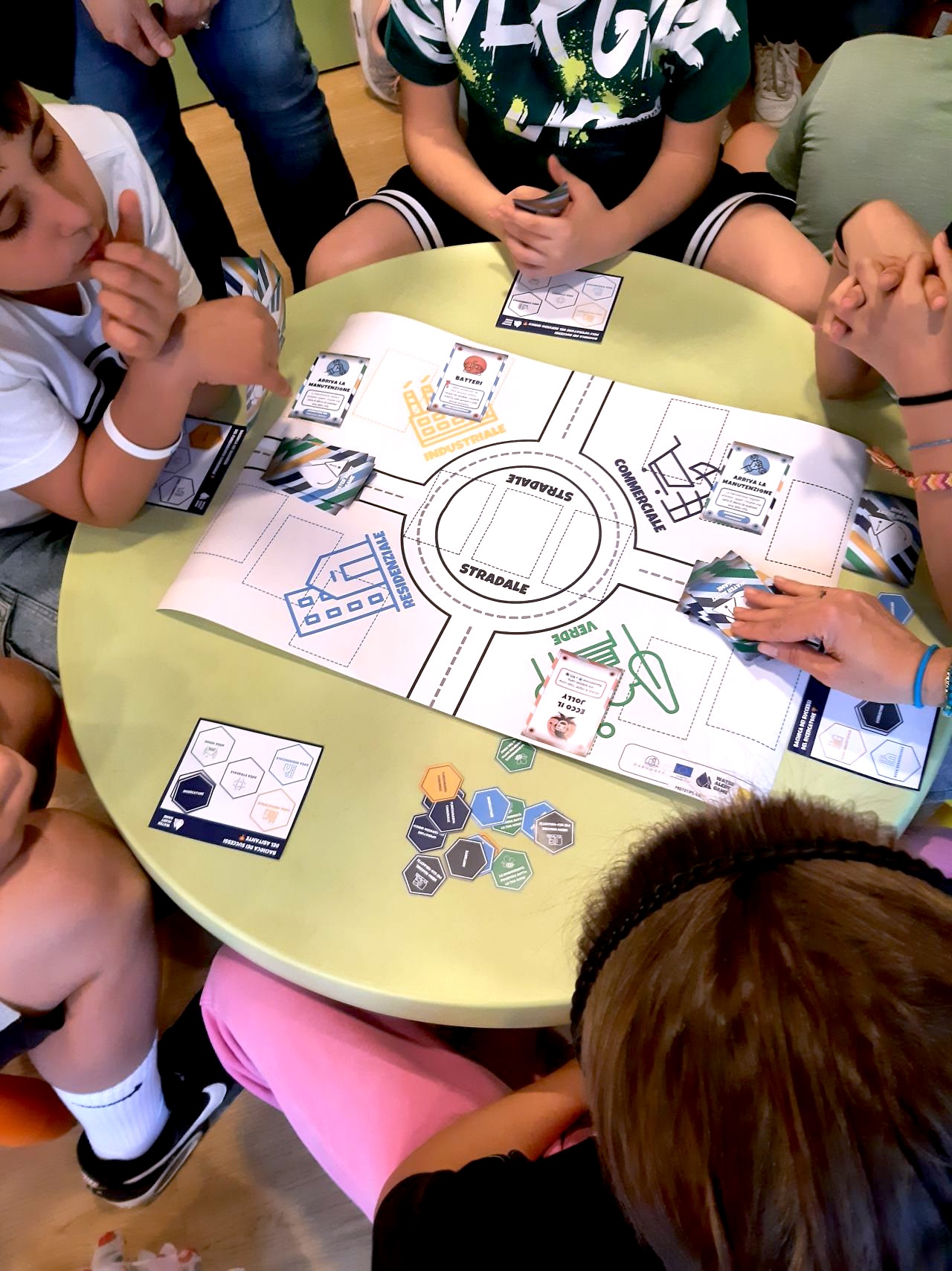
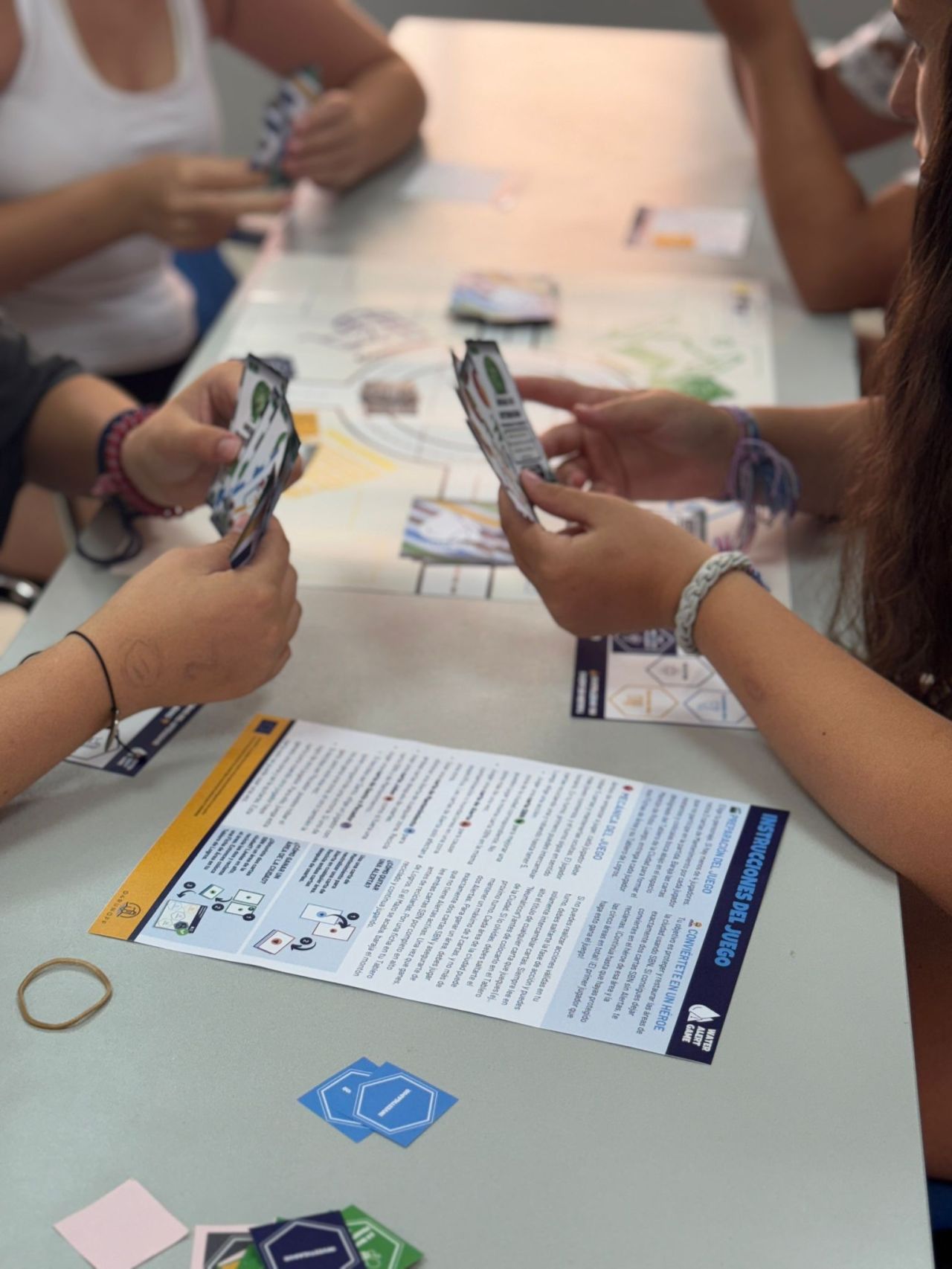
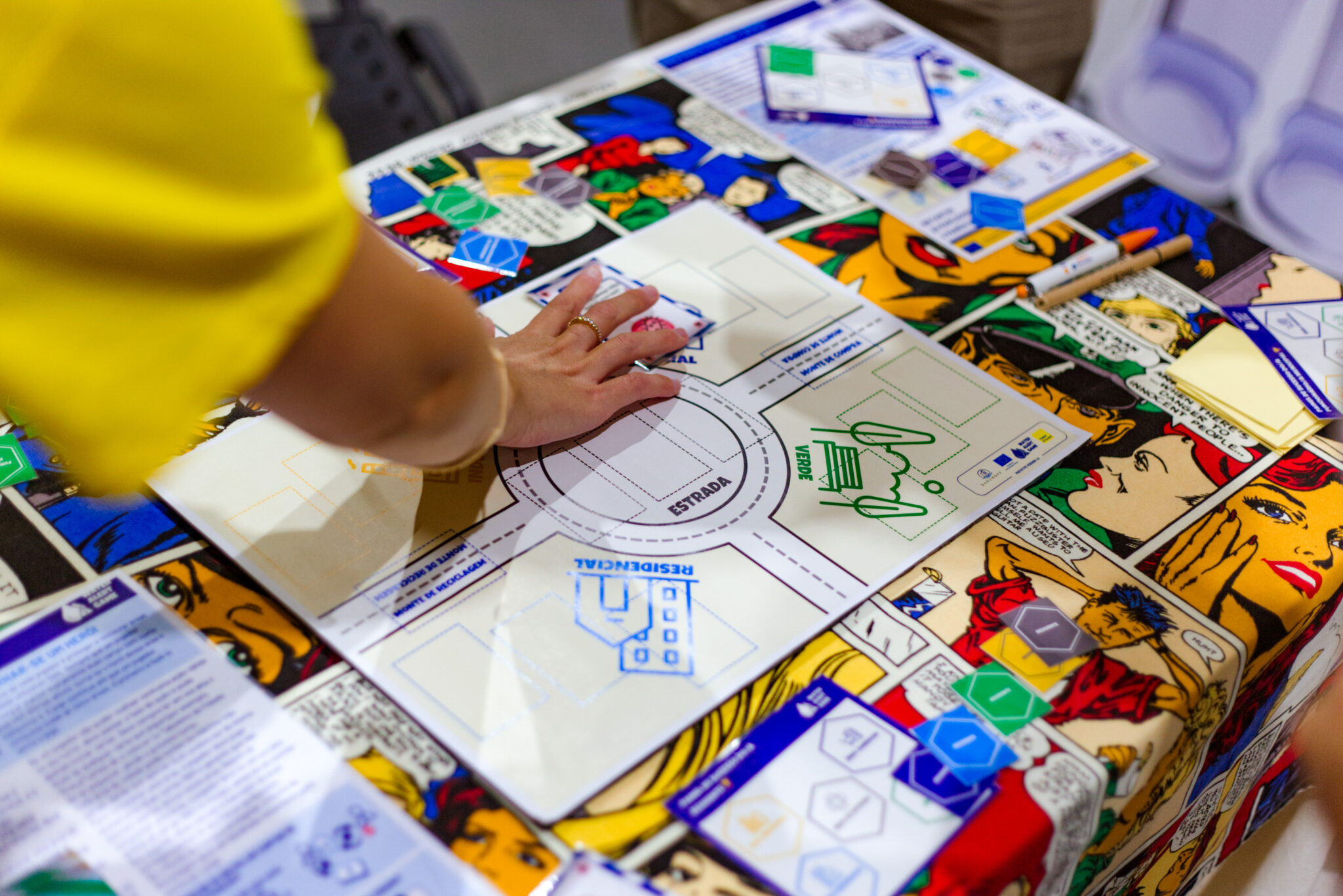
Three o’clock developed an educational game for children aged 13 and above to raise awareness about water pollution, harmful contaminants, and nature-based solutions. Through this fun and interactive experience, players learn how water pollution occurs and explore ways it can be reduced and treated more effectively.
Through targeted workshops and surveys, Three o’clock contributed to the design of the AI-assisted platform (developed by ITG, KLINK, the University of Cantabria, and MITIGA) by engaging stakeholders, identifying their needs and expectations, and analysing the challenges they face in water management.
Three o’clock designed materials such as:
This work was developed as part of the D4RUNOFF project, a Horizon Europe research initiative coordinated by VandCenter Syd (Denmark). The project focuses on innovative data-driven and AI-powered nature-based solutions to prevent pollution from urban water runoff. It aims to support policymakers, environmental agencies, and local communities in making informed decisions to improve urban water quality and foster sustainable water management practices.
.png)