Despite progress in gender equality, STEM fields remain shaped by persistent structural barriers. Outdated stereotypes, the lack of visible female role models, and unexamined attitudes towards mathematics in schools continue to discourage girls from engaging with science and technology.
The critical challenge is timing. Many girls begin to doubt their abilities in primary school, long before they have had meaningful exposure to STEM subjects or the opportunity to explore their interests. By the time career choices are discussed, disengagement is often already entrenched.
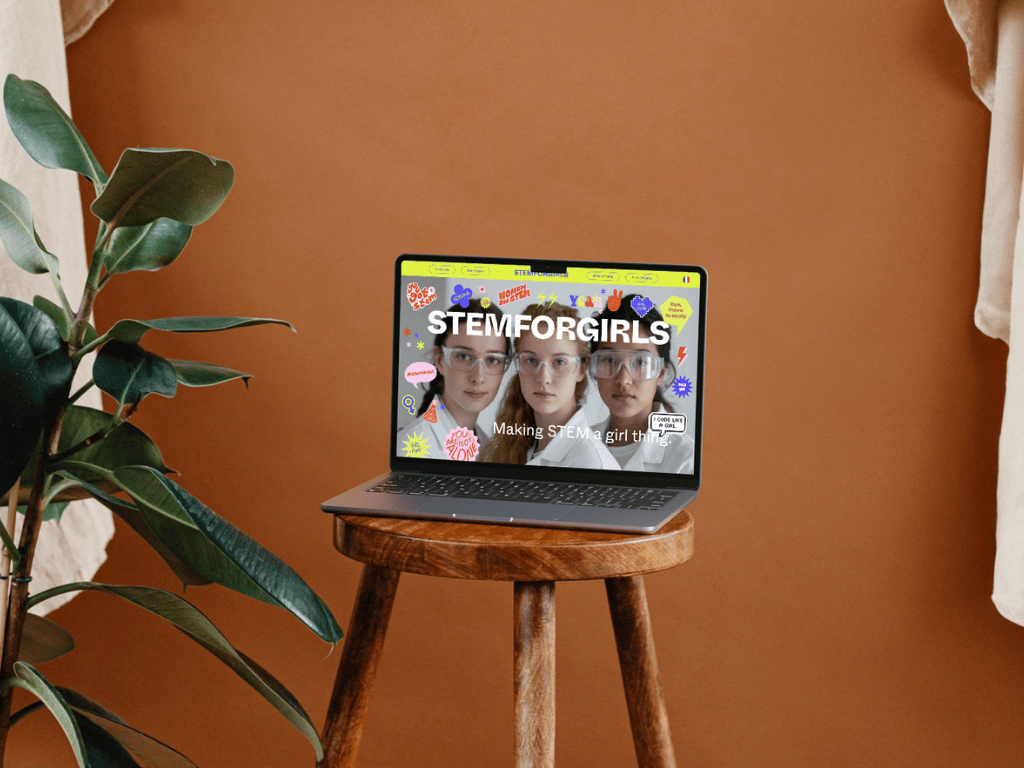
The objective of the STEMFORGIRLS initiative is to intervene early and decisively, before confidence is lost. The project aims to increase girls’ interest in STEM, strengthen their self-efficacy, and challenge limiting narratives by combining direct experience with exposure to relatable role models.
To achieve this, the project requires more than awareness-raising. It needs hands-on learning environments, carefully designed educational materials, and formats that make STEM feel accessible, social, and relevant to everyday life.
.png)
.png)
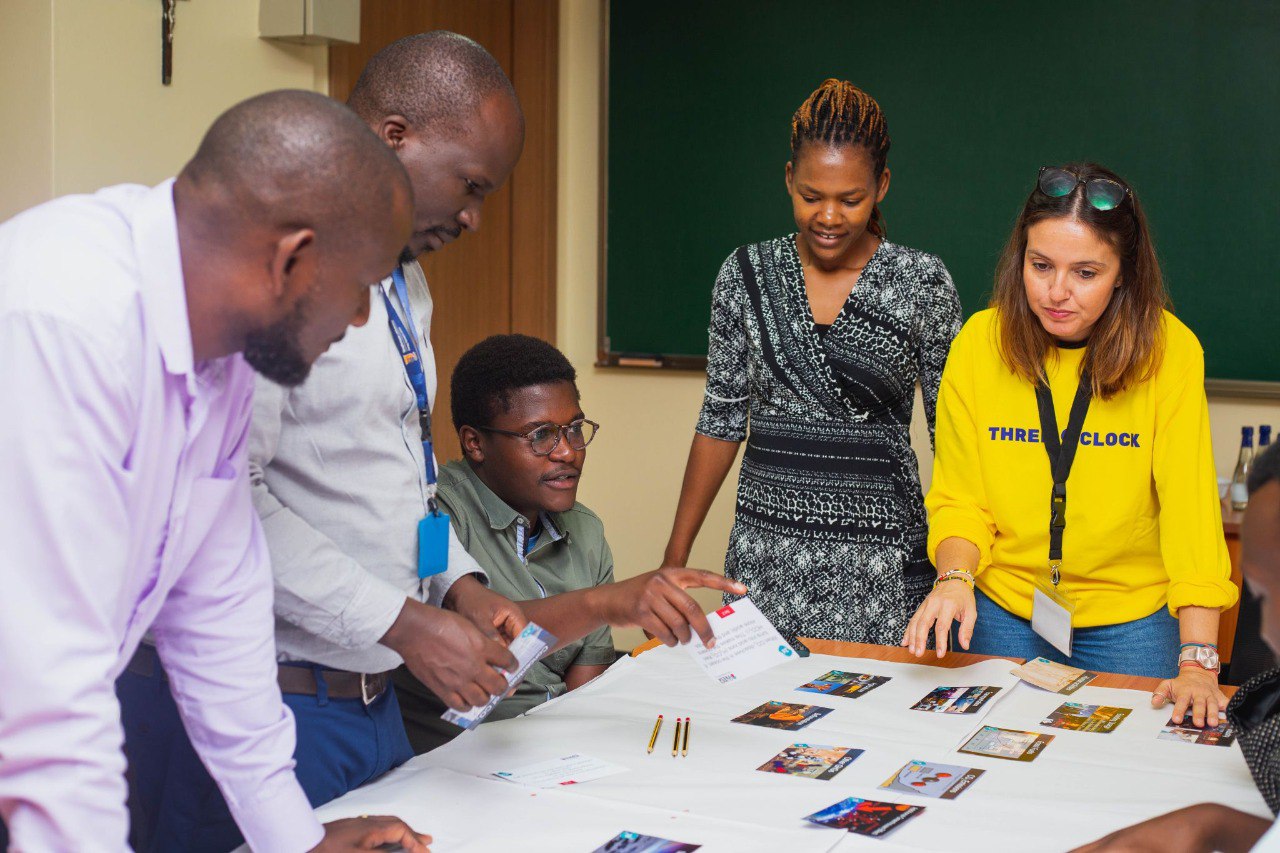
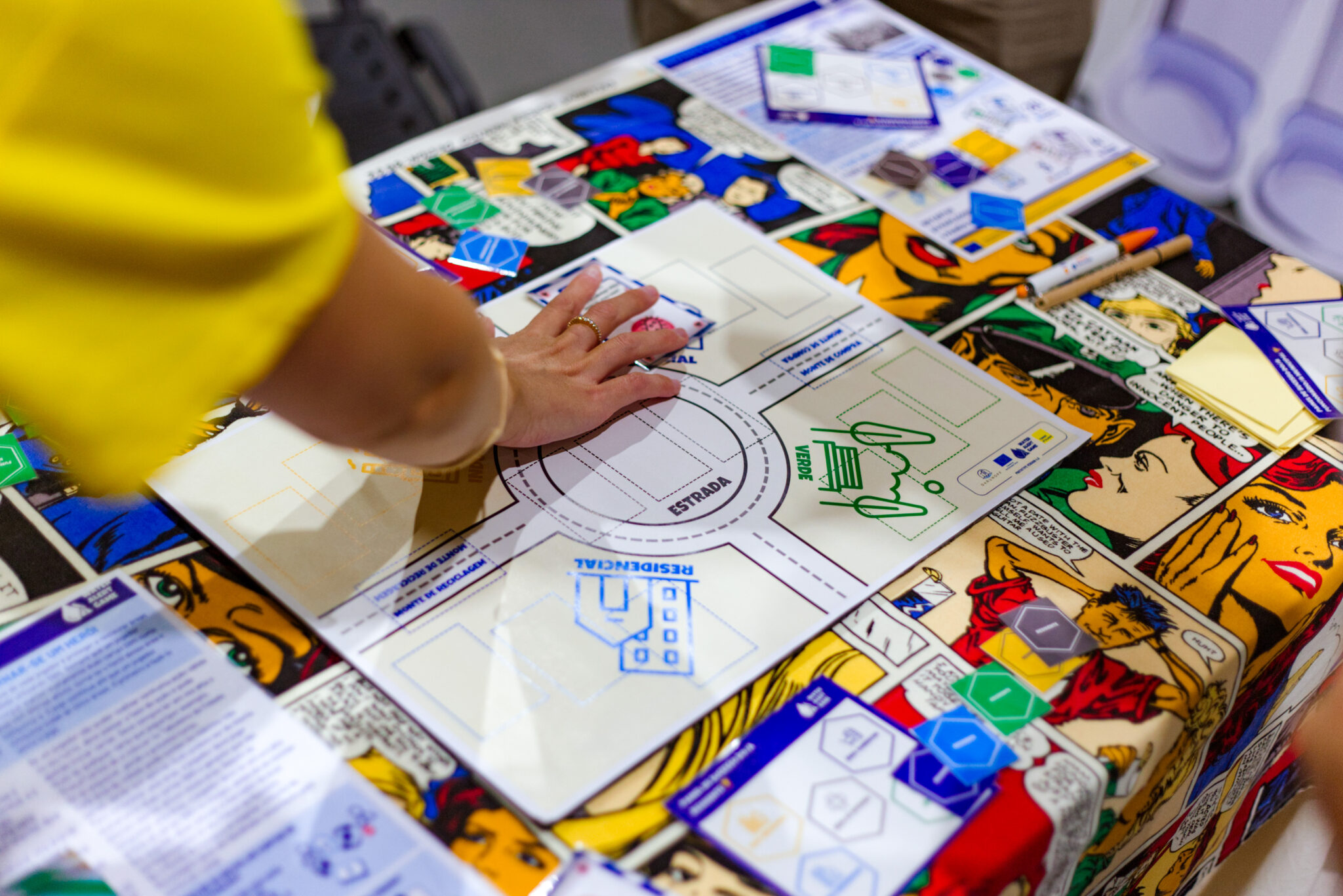
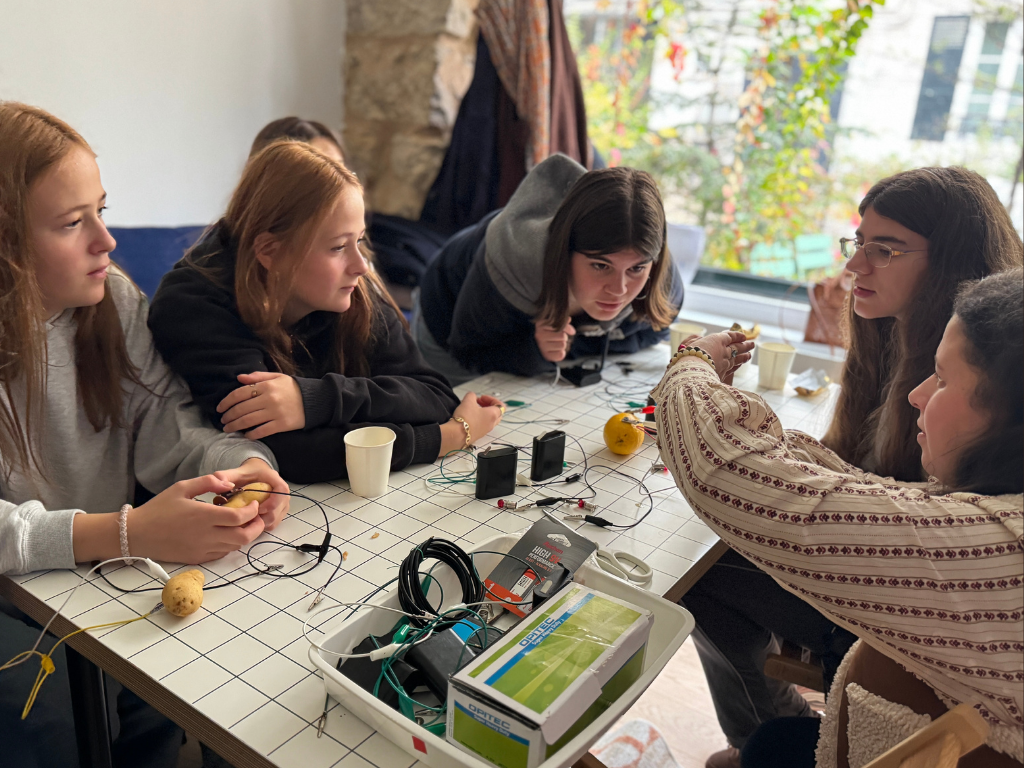
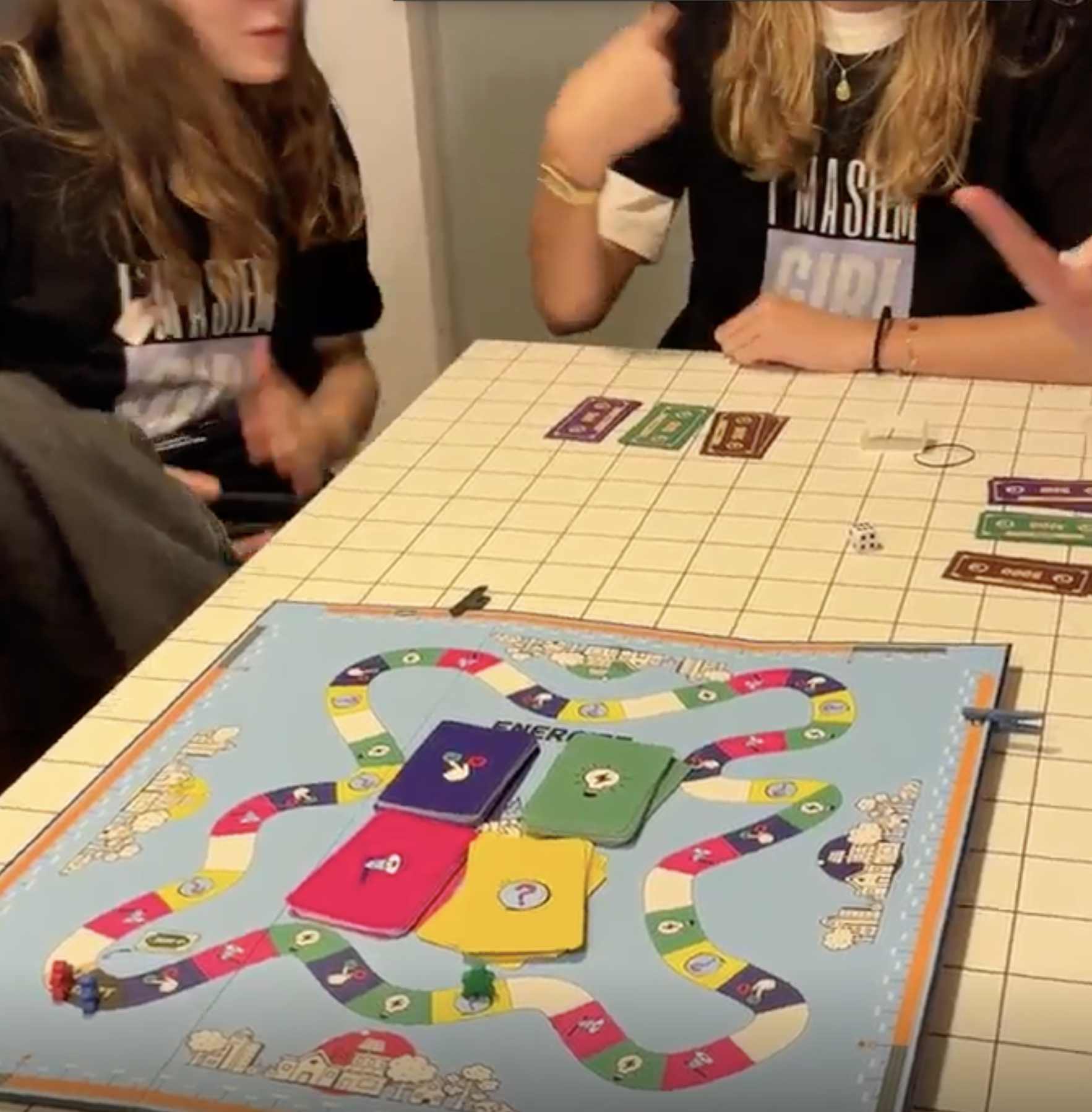
The programme combined in-person and digital actions to reach teenage girls through formats that prioritise participation over instruction. A mix of workshops, games, and interactive activities was developed to encourage experimentation, collaboration, and curiosity.
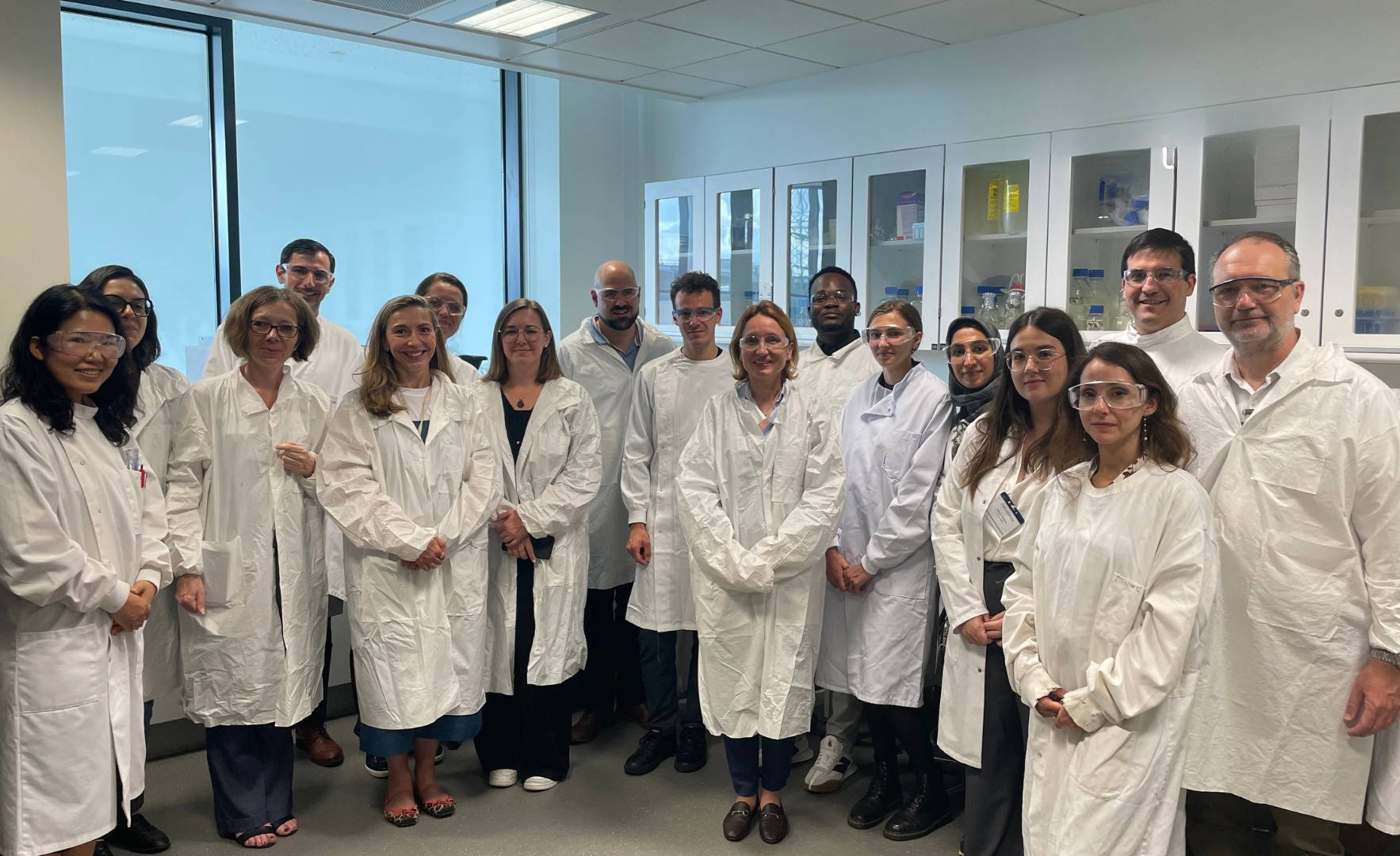
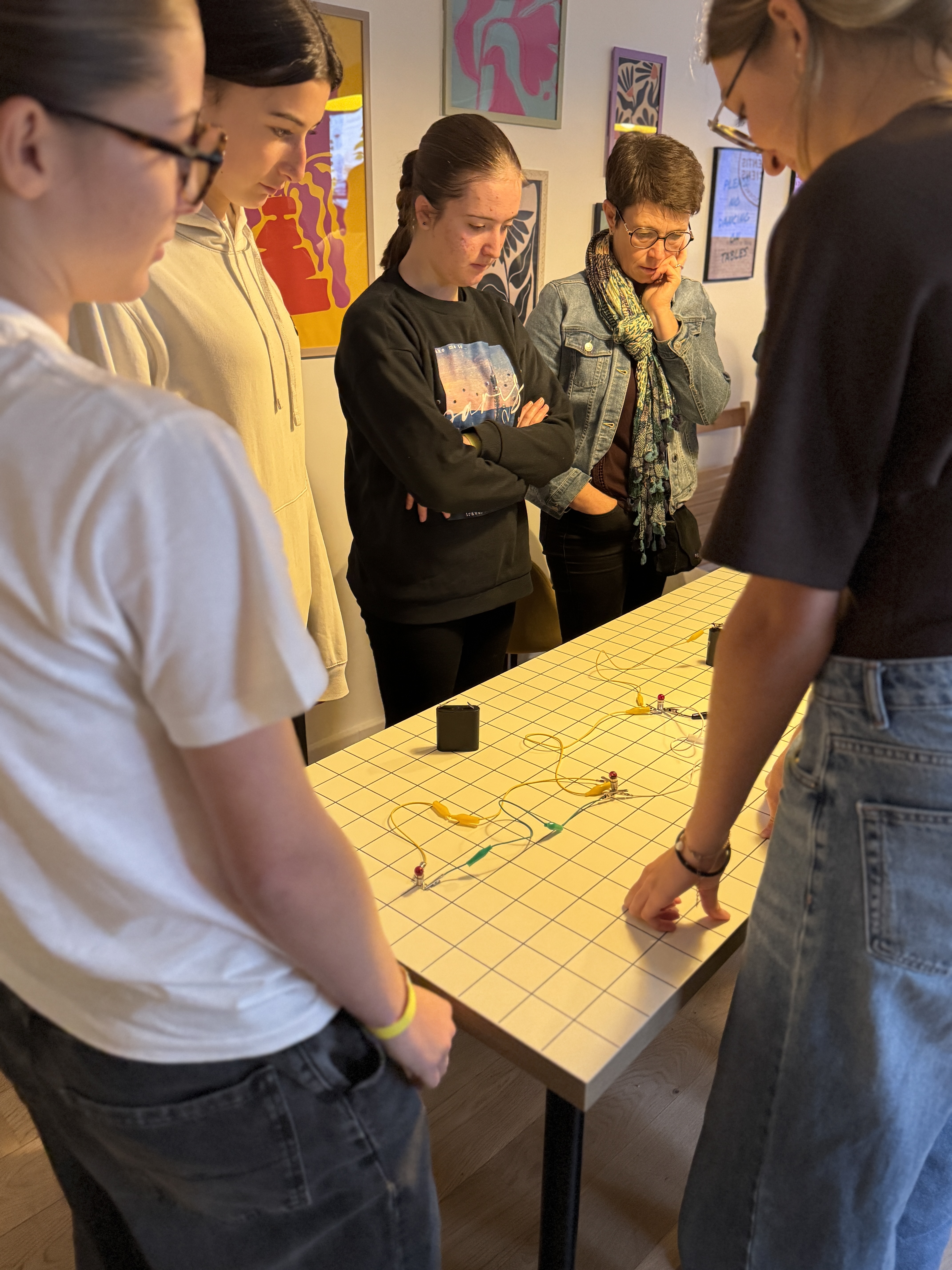
We designed and organised a two-day STEM camp for girls in Paris, involving 20 participants aged 13–16 from two schools. The camp was structured around thematic sessions, on energy, with clear schedules and logistics, and included the recruitment and involvement of 4 female STEM role models to provide direct, lived examples of diverse career paths.
Training materials were developed as short, modular units, designed to be quick to understand and easy to reuse. This allowed facilitators to adapt content to different levels of prior knowledge while maintaining consistency across sessions.
All activities were piloted as an integrated experience, ensuring that learning, inspiration, and confidence-building reinforced one another rather than functioning as standalone interventions.
.png)
By combining hands-on activities with direct contact with role models, the project created a learning environment in which girls could engage with STEM subjects without the pressure of performance or pre-existing expectations.
The camp format demonstrated the value of early, immersive interventions in counteracting self-doubt and reframing STEM as a space where girls belong. The modular training materials and structured approach provide a replicable model that can be adapted to other contexts, age groups, and locations.
Rather than focusing solely on skills acquisition, the project prioritised confidence, curiosity, and identification with STEM pathways, laying foundations for longer-term engagement.
.png)
STEM FOR GIRLS is a collaborative initiative born from the partnership of 3 organizations dedicated to enhancing female participation in science and technology. Our mission is to inspire and empower more girls to pursue STEM education and careers, addressing the gender gap and declining enrollment in technical institutes and universities, particularly among women.By creating a supportive and engaging environment through hands-on workshops, mentorship from female role models, and innovative teaching methods, we aim to transform the current landscape and encourage teenage girls to explore their potential in STEM fields.
This initiative is made possible through funding from the European Commission's Erasmus+ programme, as part of the broader STEM4GIRLS project.