Plastic pollution is one of the most pressing environmental challenges of our time. Conventional plastics are deeply embedded in our daily lives, yet their fossil origin, low recycling rates, and long persistence in the environment make them incompatible with Europe’s climate and pollution-free ambitions. Bioplastics are often presented as part of the solution, but their sustainability varies widely depending on feedstock origin, production processes and end-of-life options, including biodegradability.
The EU-funded PROMOFER project addresses this complexity by developing high-performance bio-based and biodegradable plastics designed according toSafe and Sustainable by Design (SSbD) principles. The project valorises agricultural residues and food industry waste while improving fermentation and downstream processes to deliver scalable, circular materials for packaging, agriculture, and fashion. It also evaluates the environmental, economic, and social impacts of these materials across their full life cycle.
Yet even the most sustainable bioplastic will struggle to scale if it is not understood, trusted or accepted by society. For many citizens, bioplastics remain confusing or mistrusted, raising legitimate questions about their environmental benefits, safety and real-world performance.
In PROMOFER, We Right Click is addressing these social dimensions by bridging the gap between technological innovation and societal adoption. Through social research, citizen engagement and educational tools, we are turning complex bio-based solutions into formats people can understand, question and relate to, ensuring that sustainability is not only designed in the lab, but also embraced in everyday life.
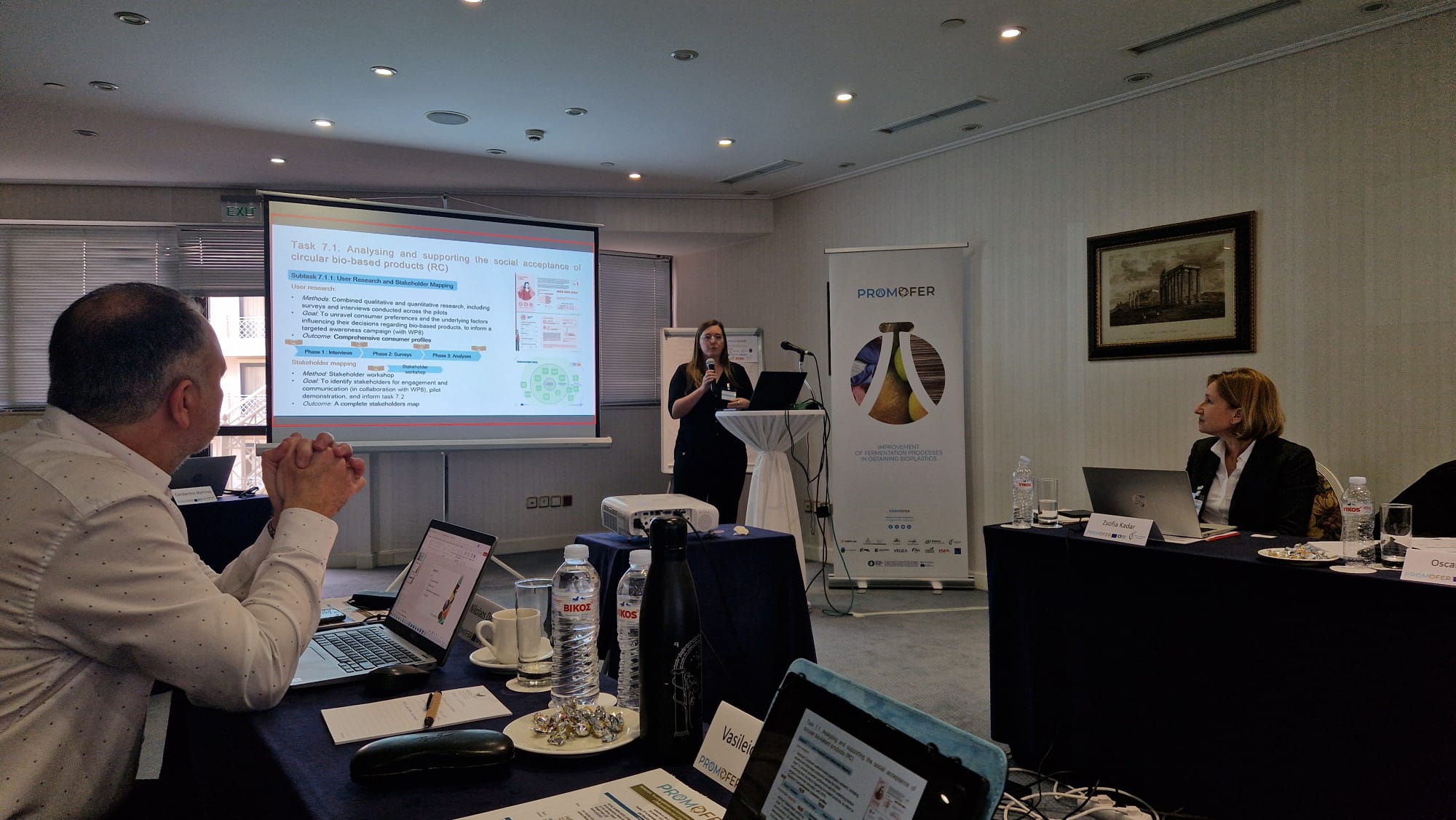
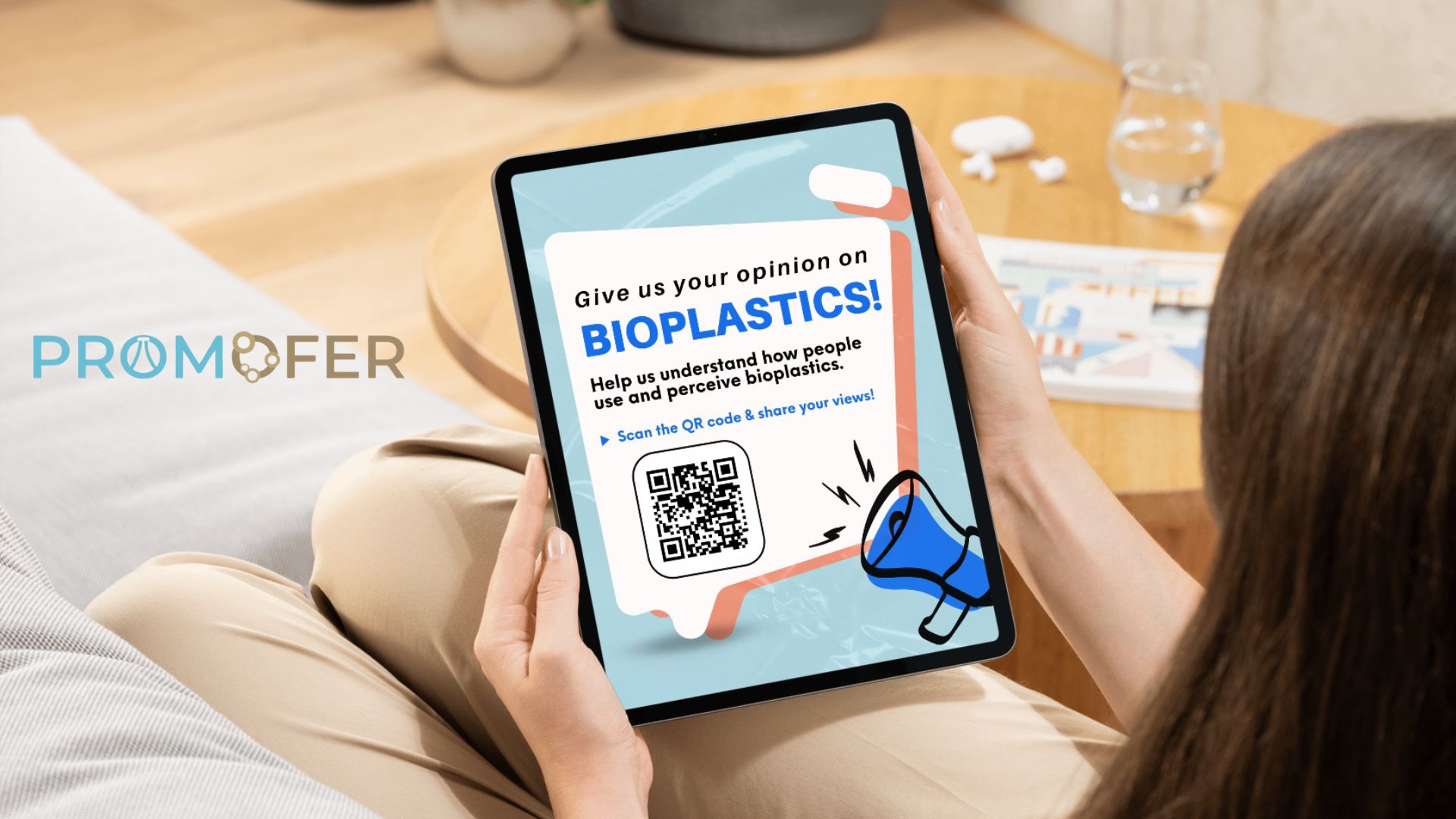
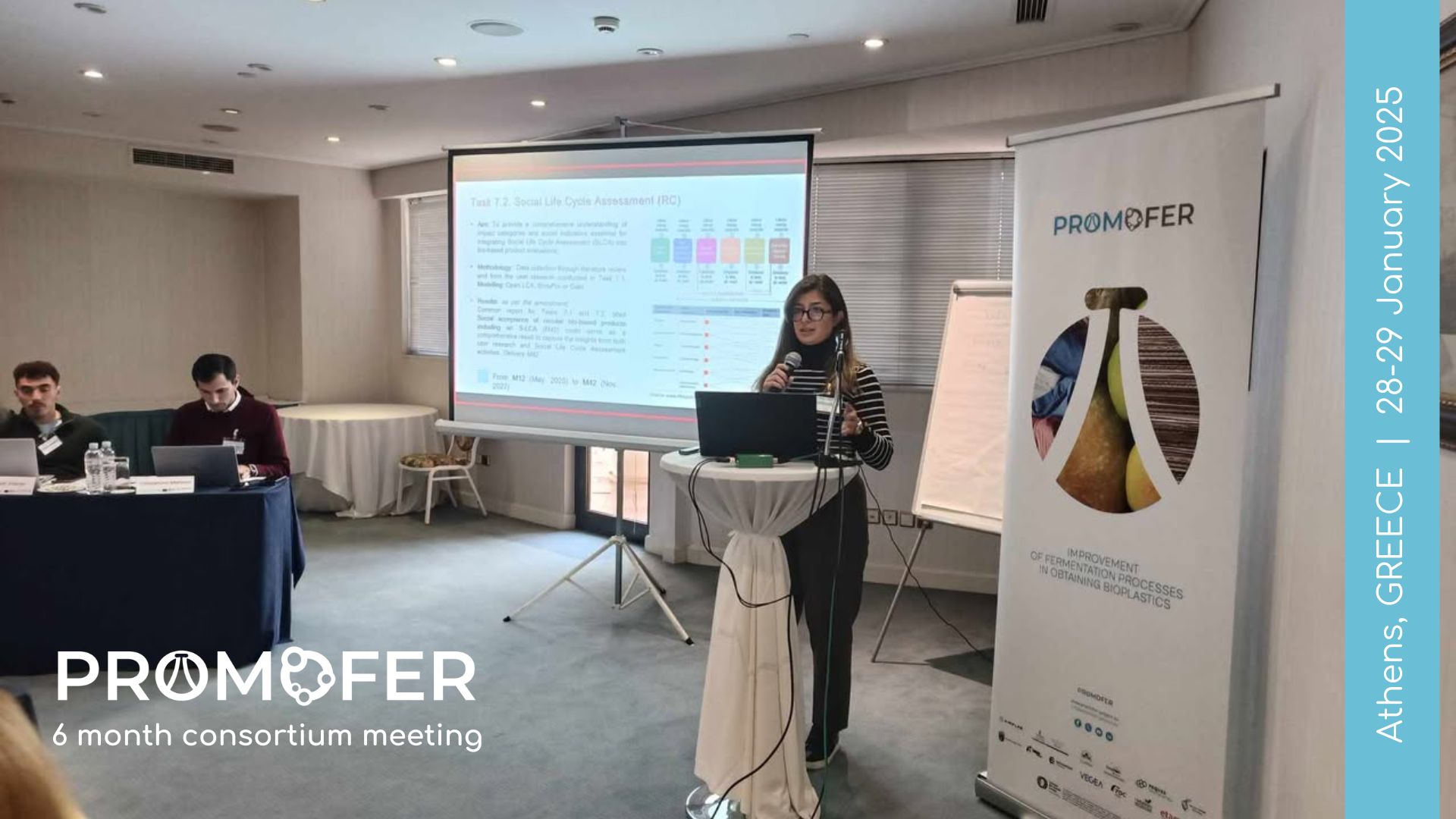
In PROMOFER, We Right Click leads the social and citizen engagement activities, ensuring that societal perspectives are integrated alongside technological development from the start. We are combining stakeholder analysis, user research, and social impact assessment (S-LCA) to identify how bioplastics are perceived, where misunderstandings persist, and which factors influence acceptance or rejection. These insights inform the design of three awareness campaigns and guide all engagement actions, ensuring that communication is evidence-based, targeted, and aligned with real public concerns.
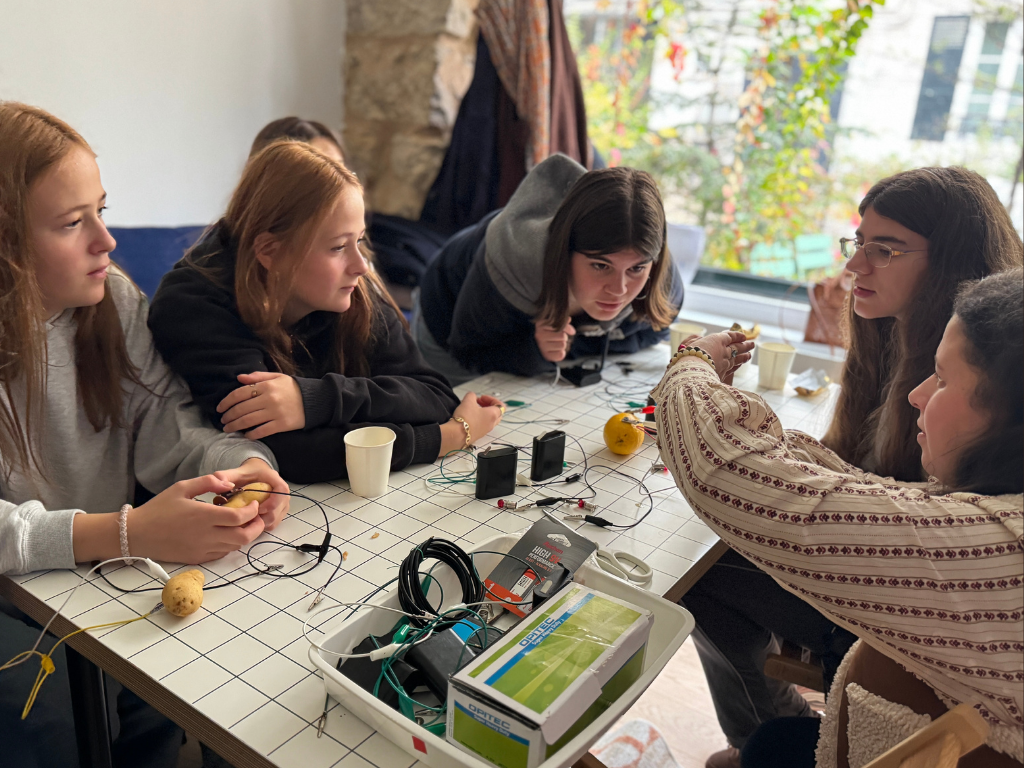
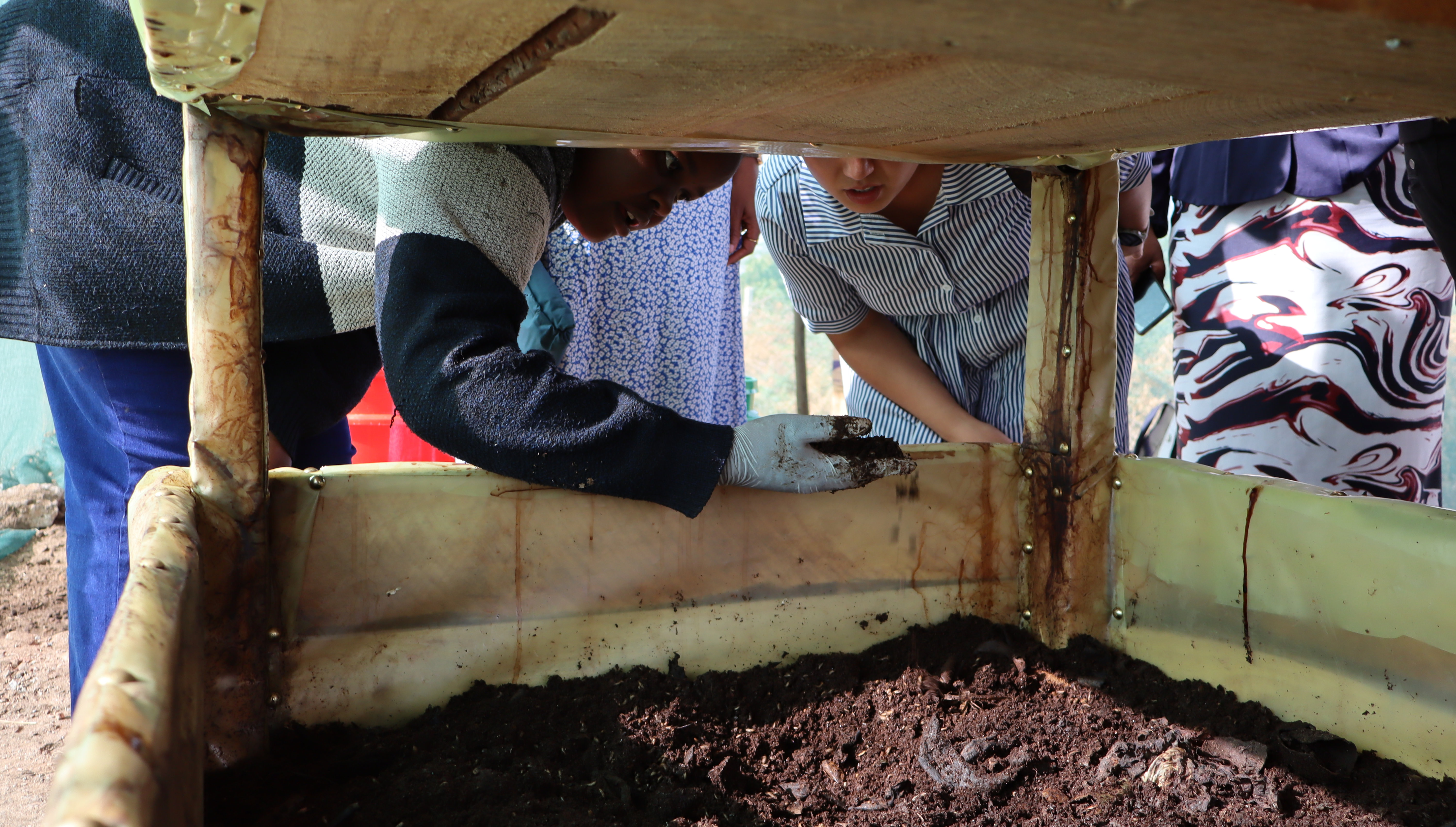
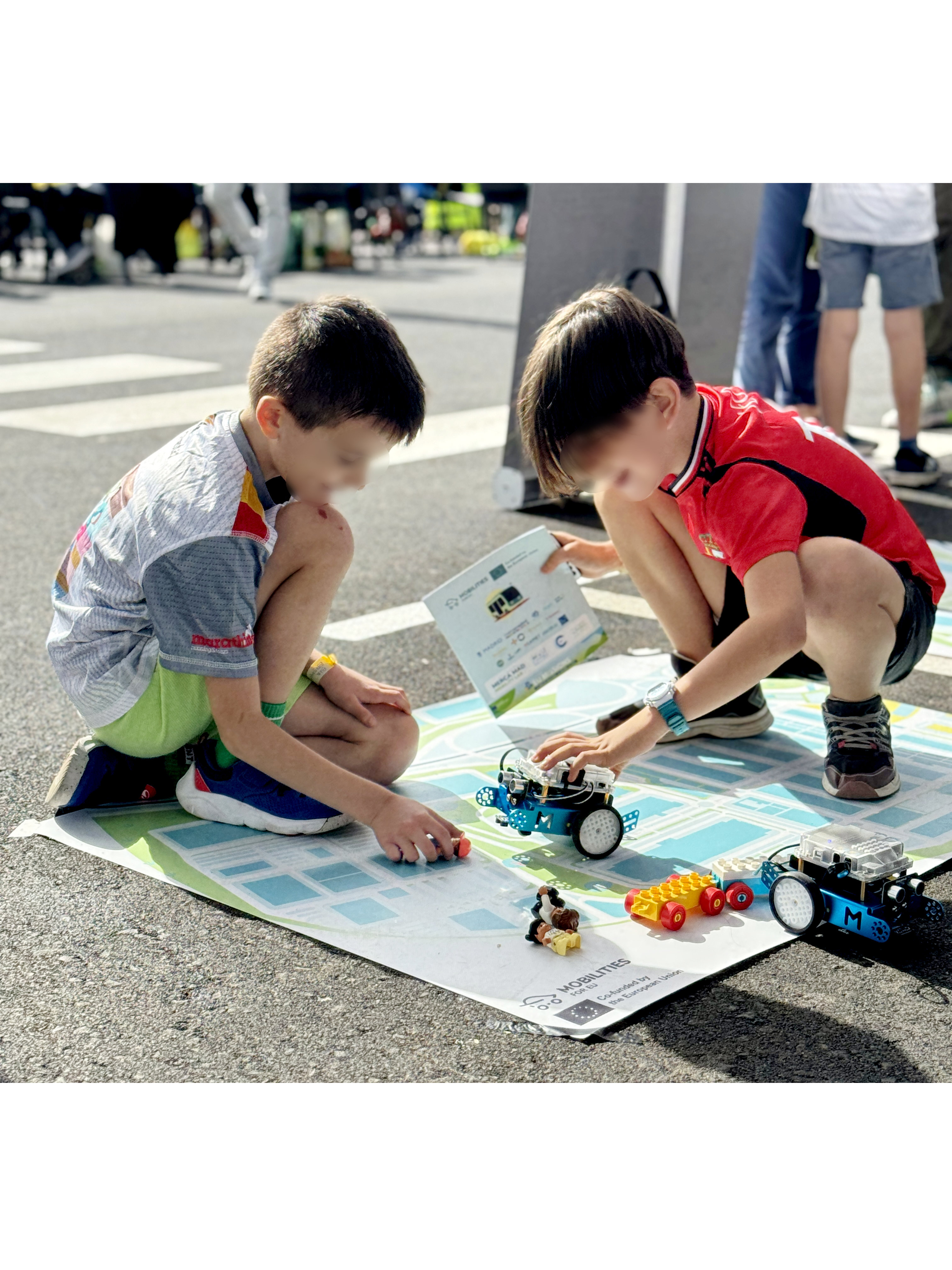
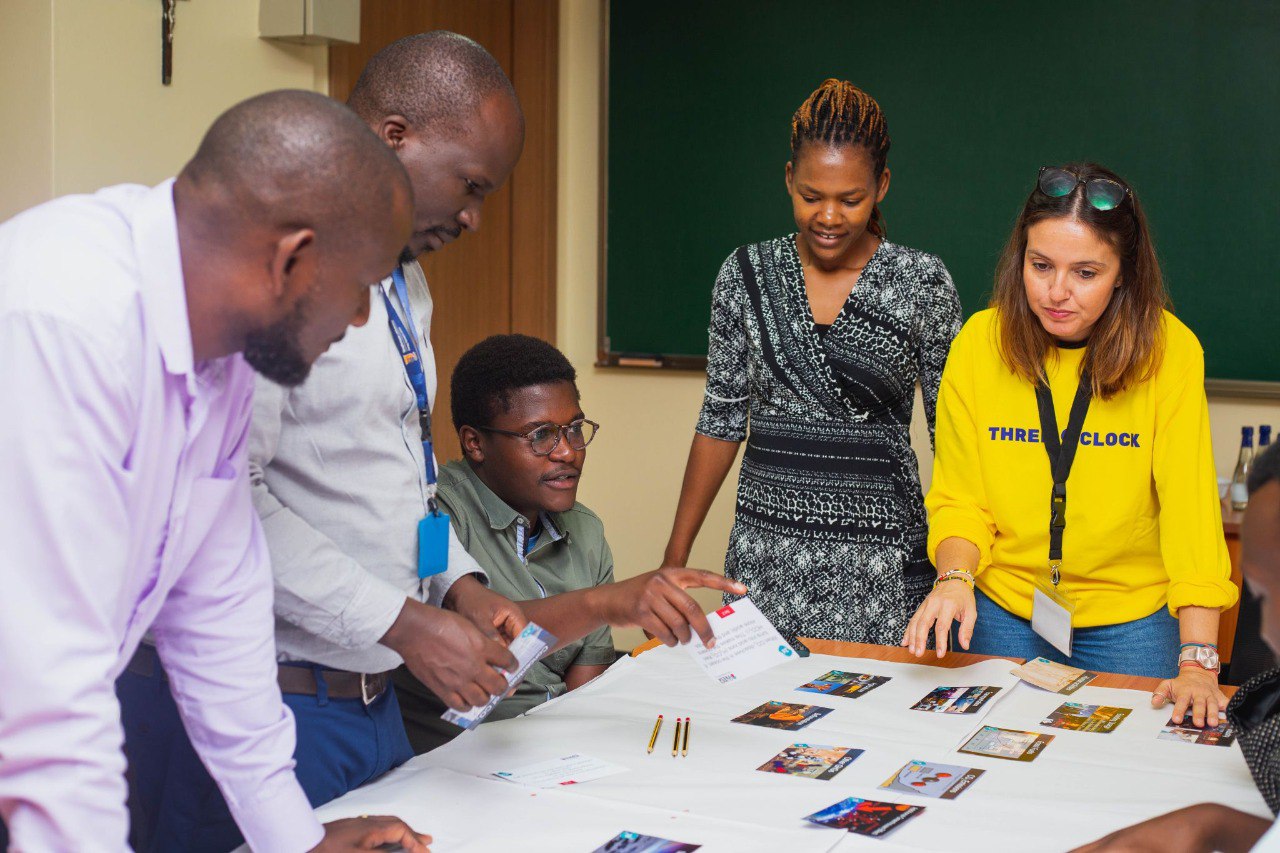
To move beyond awareness and foster engagement, we design participatory formats that translate complex bio-based processes into accessible experiences. This includes public events at the pilot sites, an interactive workshop to explore life-cycle thinking and circularity, and an educational board game for younger audiences.

Coming soon :-)
This work is developed as part of PROMOFER, a Horizon Europe project funded under the Circular Bio-based Europe Joint Undertaking. PROMOFER focuses on developing safe and sustainable bio-based and biodegradable plastics from agricultural residues and food industry waste for applications in packaging, agriculture, and fashion.