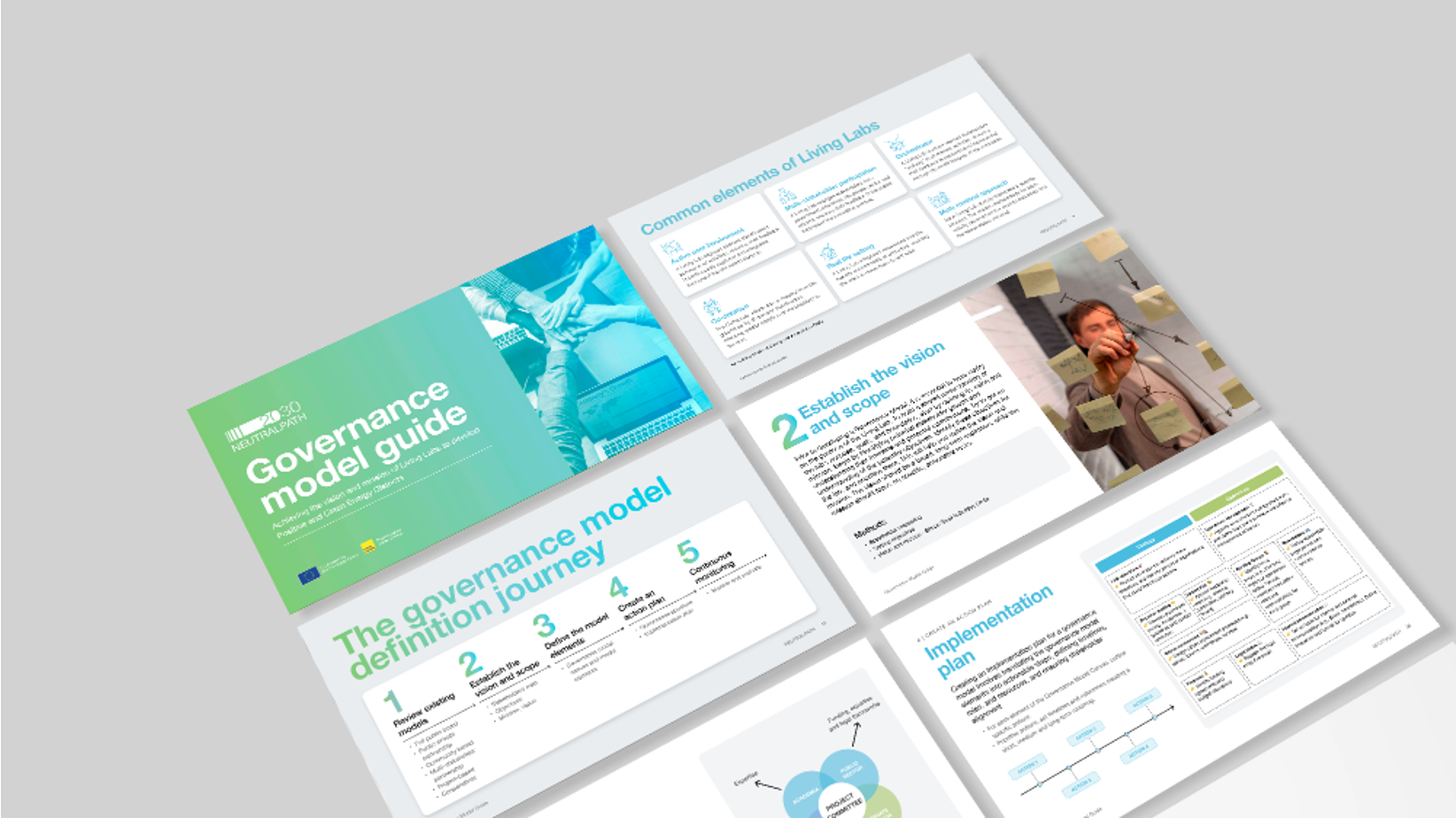
At Three o’clock we’re using user research to better understand people’s behaviours as well as their worries and needs. While the ongoing climate and environmental crisis demands large-scale changes to how we produce our energy, our food, build our homes and get from A to B – nobody should be left behind.
Why user research?
In our projects, we work with a range of people. Grasping their distinct preferences, priorities, and worldviews is essential for effectively engaging stakeholders and recognising local needs. User research provides the necessary insights to locate pain points and areas where interventions can have the most significant impact.
For example, understanding the daily challenges faced by communities in flood-prone areas can lead to the development of user-friendly early warning systems and effective evacuation plans.
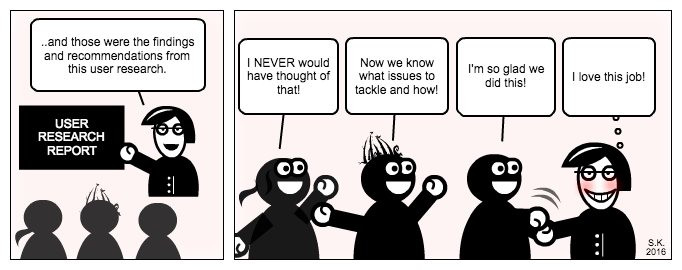
Moreover, user research involves people from all walks of life in important conversations and makes their voices heard. Therefore, user research complements our commitment to participation, inclusivity and co-designing for a just transition to a more sustainable future. The insights from our user research find their application in policy changes, governance modelling, capacity-building, and the improvement of user experience and communication.
The power of mixed methods
By mixing qualitative and quantitative methods, we get the best of both worlds. Qualitative methods like interviews delve into nuanced user behaviours, motivations, and experiences, providing depth that quantitative data alone may miss. Quantitative methods, such as surveys, offer statistical rigour and broader generalisation.
We’re constantly re-evaluating our methodological toolkit and use:
- In-depth interviews
- User needs surveys
- Expert interviews
- Journey mapping
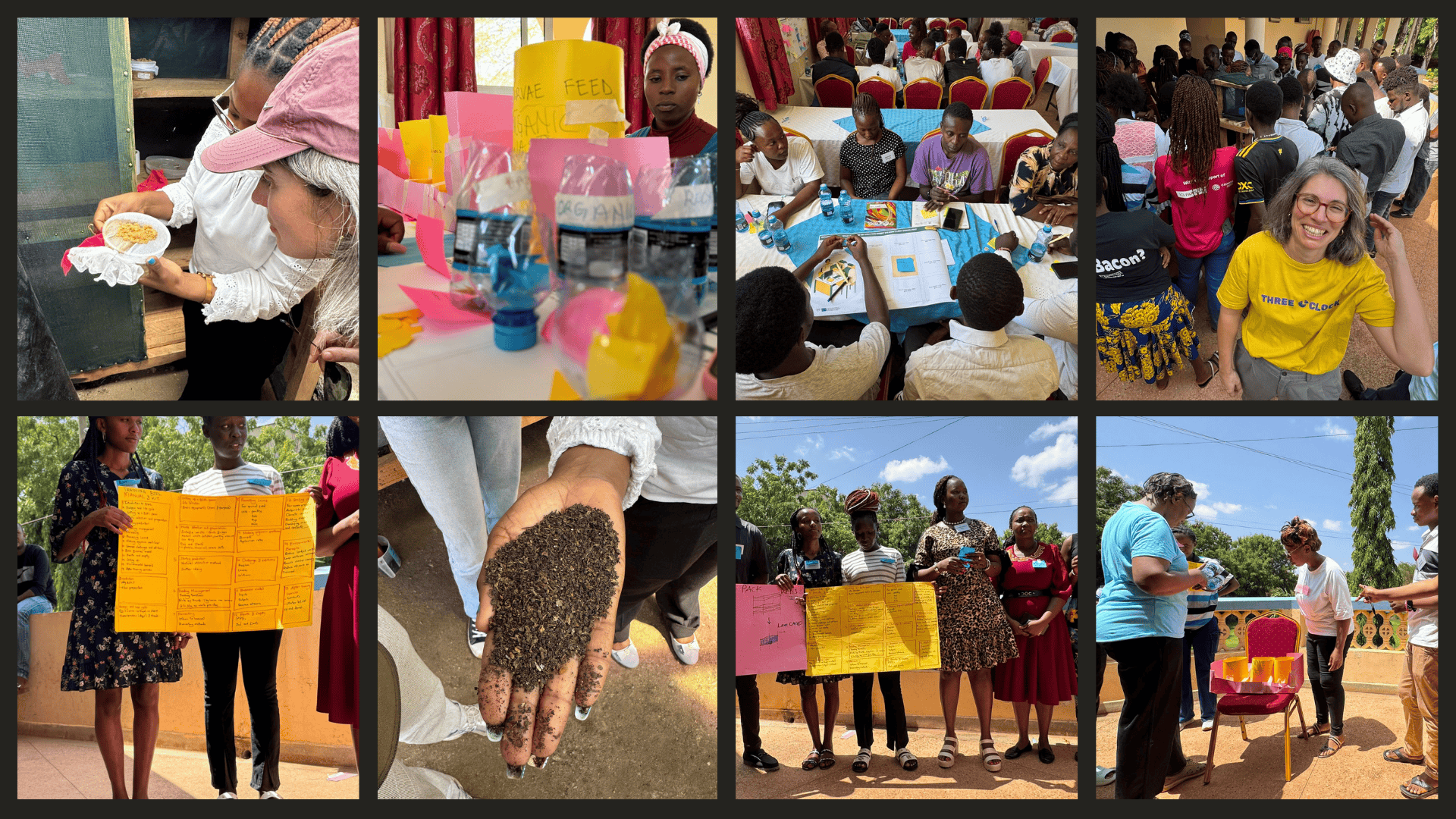
- User workshops
- User testing
By placing the focus on the end-users, user research ensures the development of sustainable solutions for these challenging times that are not only technologically sound but also socially inclusive.

.png)
.jpeg)
.png)
.png)
.png)