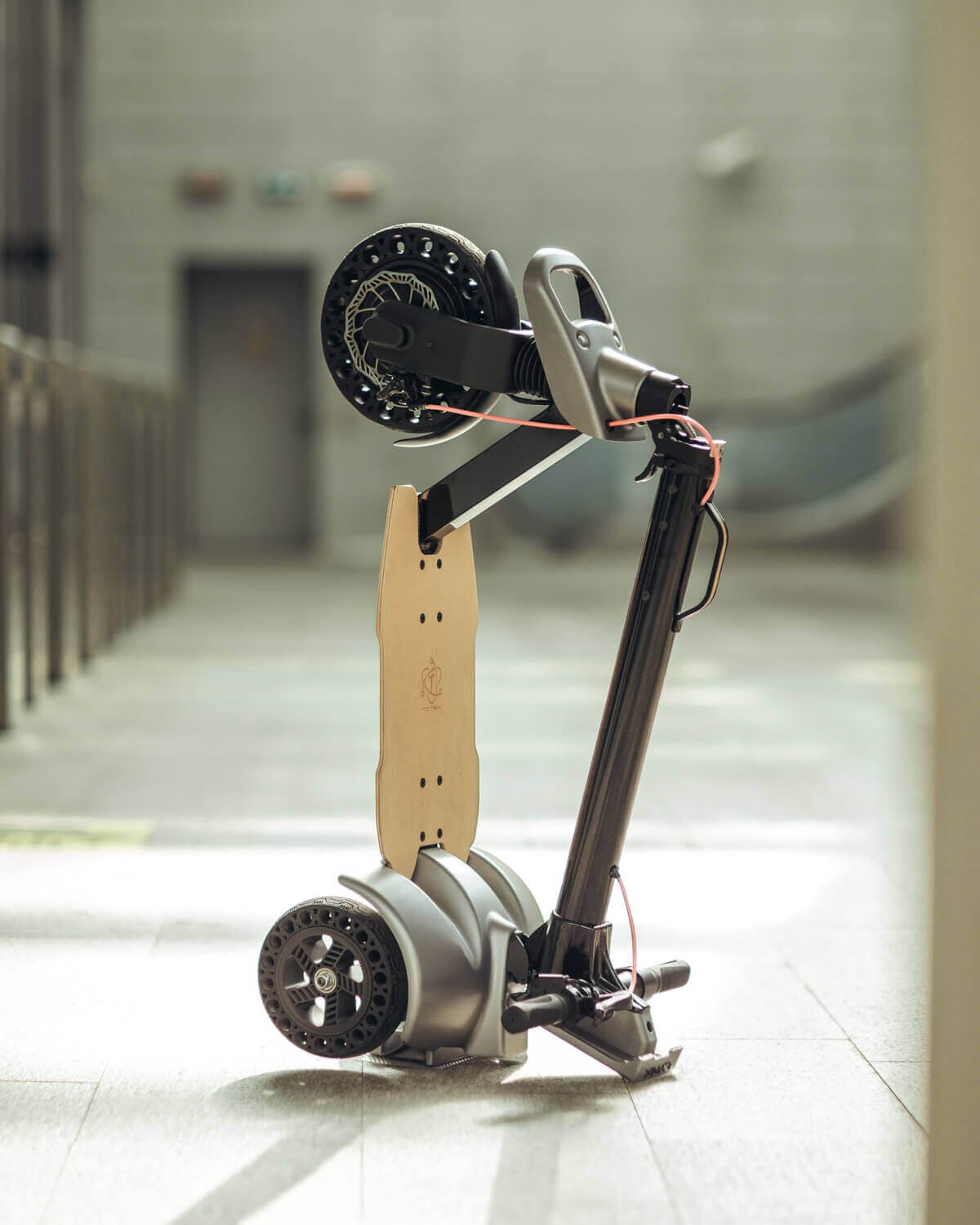
Launching a new shared mobility service is never straightforward, especially when the product is still a prototype and the business model untested. An Italian transport company aimed to explore the European market with a new modular and safer e-kickscooter, and needed to validate both the vehicle and the service experience. The challenge: run real-life pilots in diverse contexts to understand usage behaviour, service acceptance, and willingness to pay.

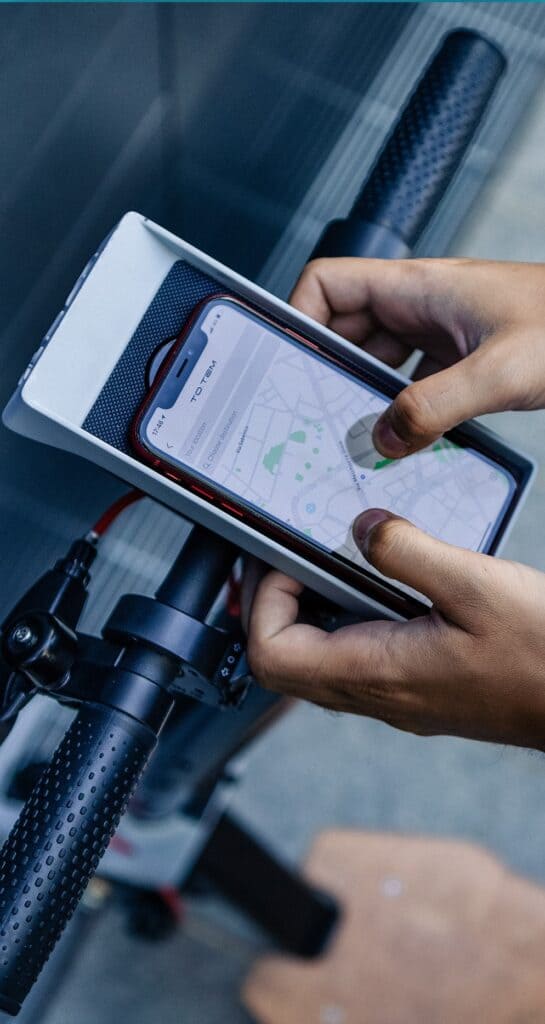
We led the comprehensive design, setup, and management of three pilot programs across Sweden, Italy, and Belgium, each focused on different use cases: university campuses, corporate mobility, and integration with public urban transport systems.
Our work began with in-depth user research, including travel behaviour surveys and demographic studies, which allowed us to identify six key user profiles and understand their mobility needs and preferences. Based on these insights, we co-designed tailored user journeys for each pilot, covering everything from participant recruitment and onboarding, to vehicle handover, usage tracking via a digital logbook app, and ongoing engagement through social media contests and regular communications.
To ensure safety and compliance, we managed all necessary vehicle certifications and insurance policies across each location. Throughout the pilots, we gathered real-time data and feedback, which was analysed both quantitatively and qualitatively to assess user acceptance, experience, and willingness to pay.
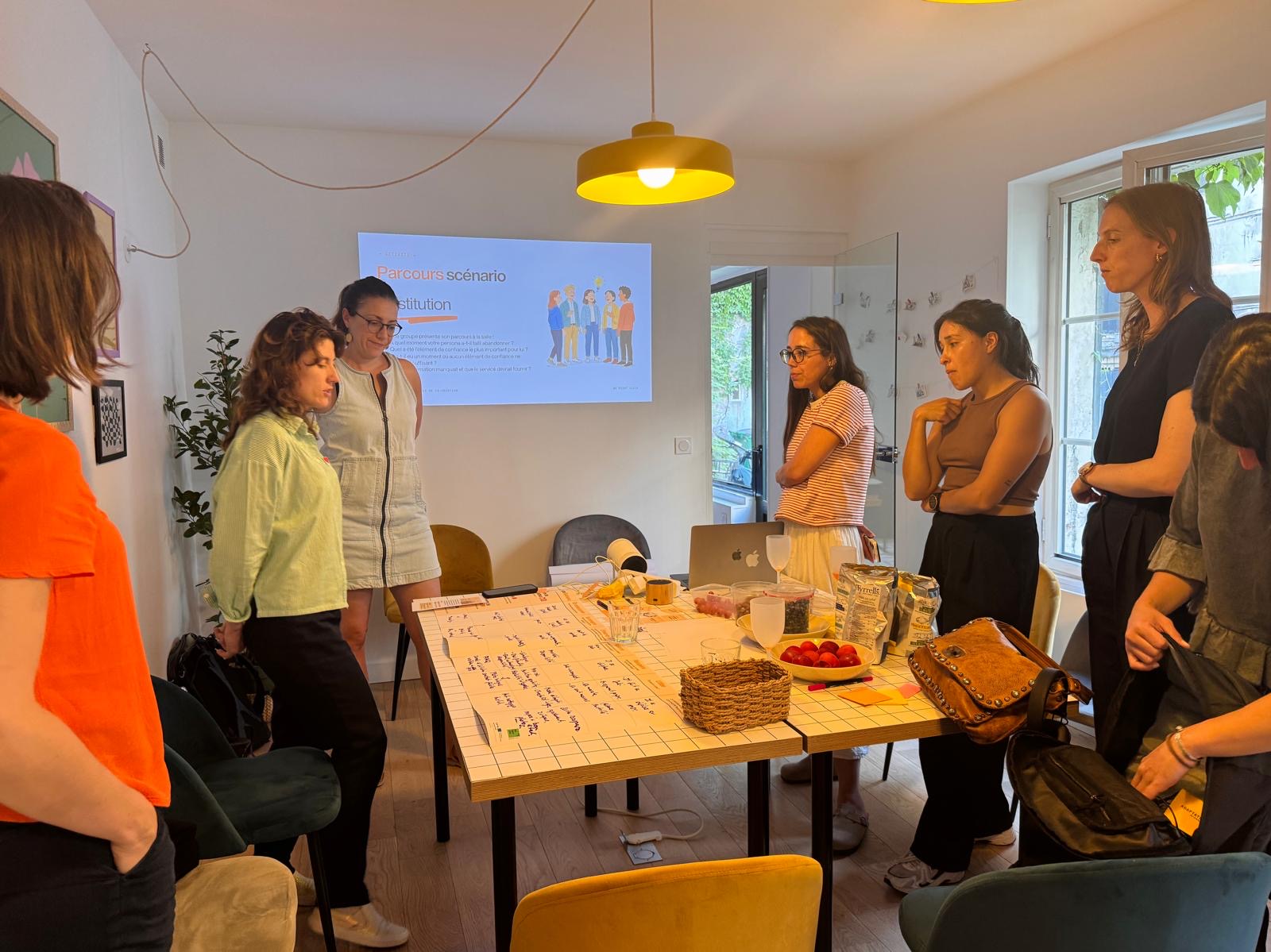
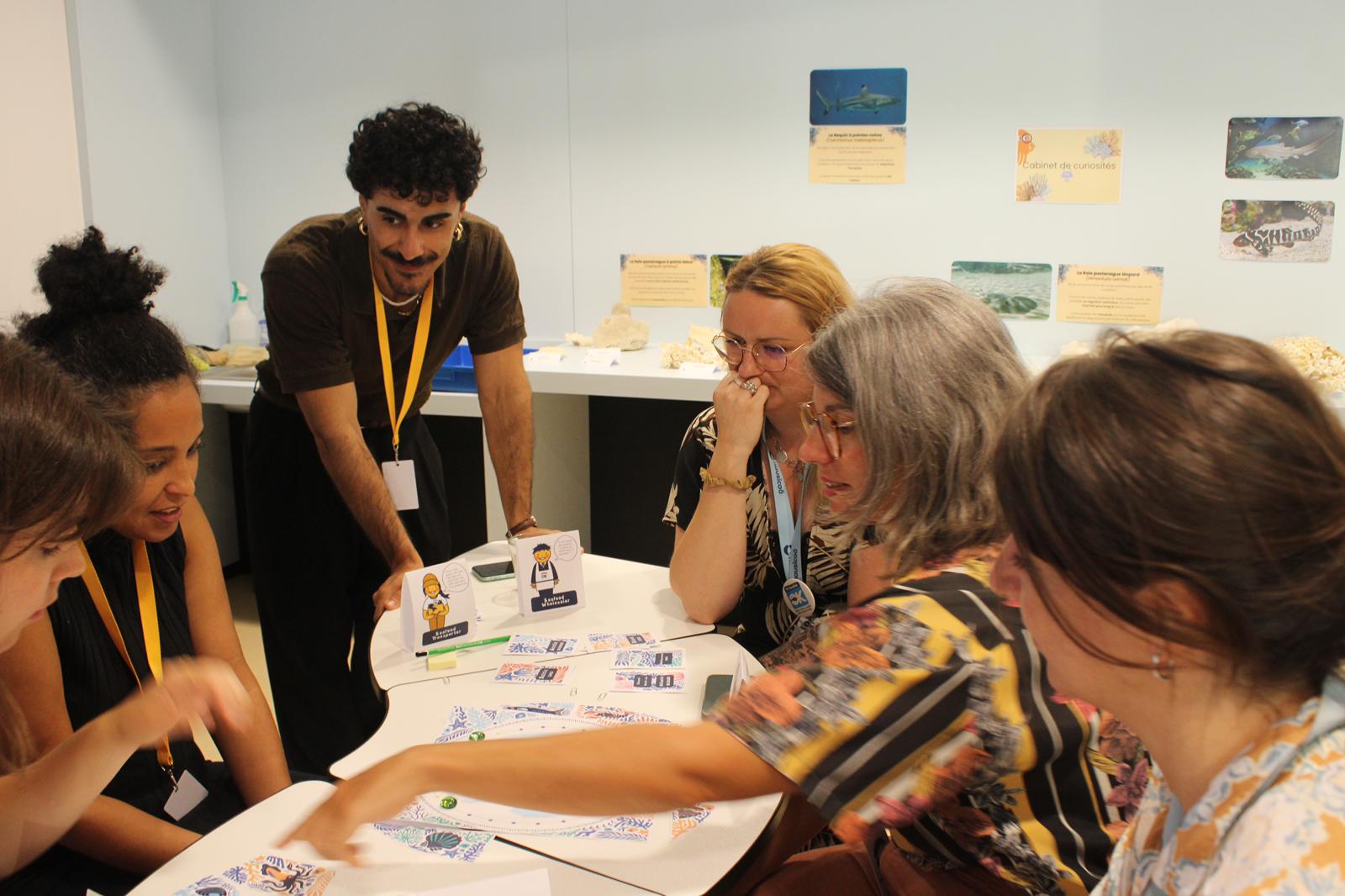
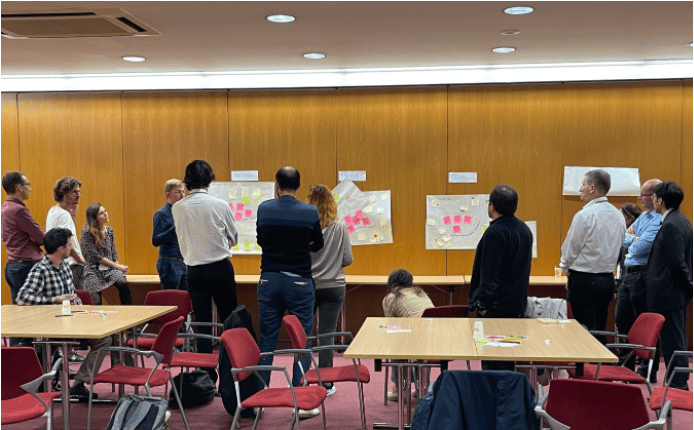
Finally, we facilitated co-design workshops with the client and stakeholders to validate findings and refine service features and business models, ensuring the final solution is user-centered, technically robust, and commercially viable. This hands-on, iterative approach allowed us to test not only the vehicle prototype but the full service ecosystem — paving the way for a scalable, market-ready micromobility offering.

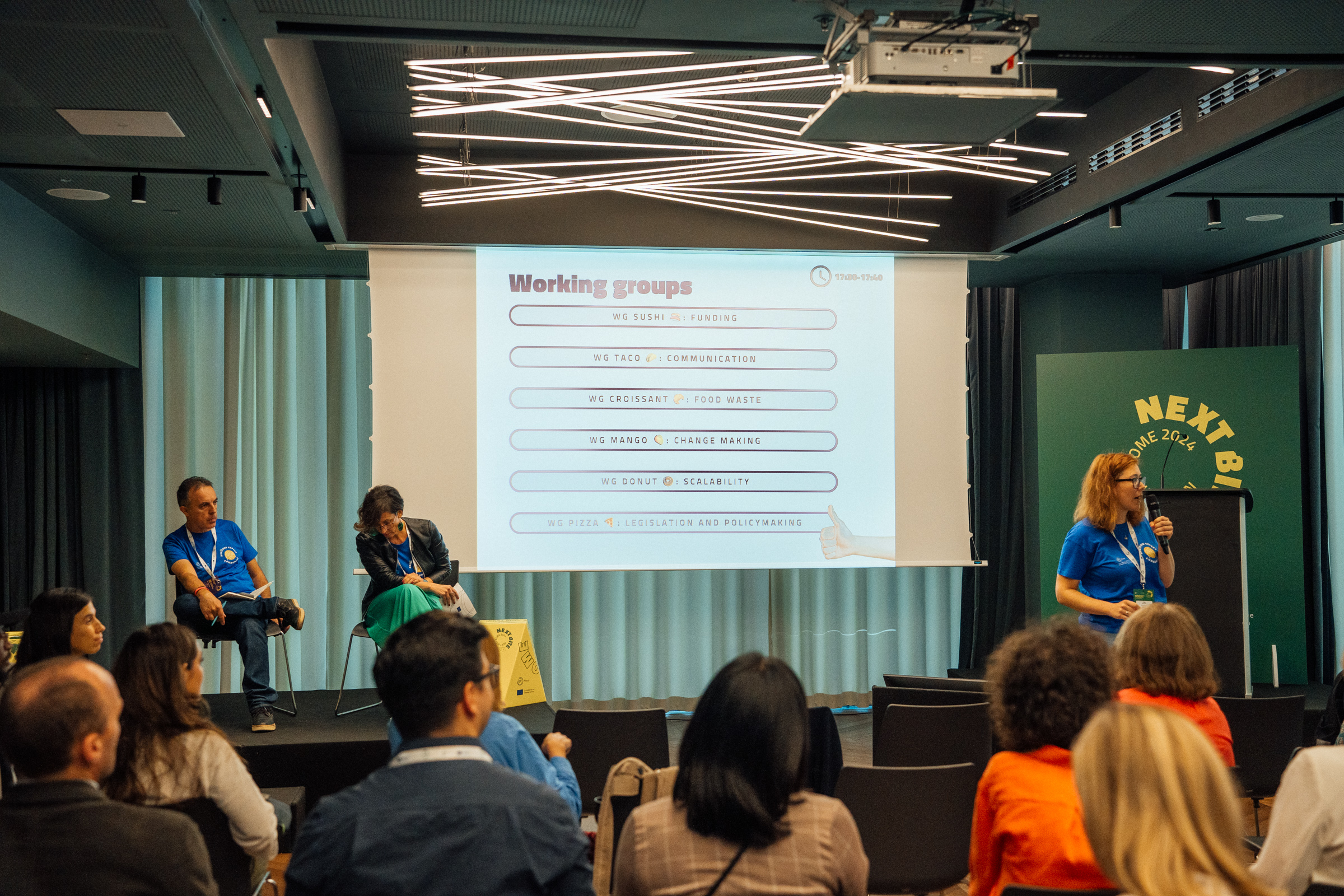
Our work led to three key outcomes that advanced the project’s impact and market readiness. First, a comprehensive market analysis provided valuable insights into user acceptance, willingness to pay, and the potential of the service across diverse urban contexts. We also conducted co-creation workshops with stakeholders and end users to refine key service features and tailor business models to real-world needs. Finally, we hosted the Micromobility Innovation Camp, an event that brought together experts and communities to showcase project results, foster collaboration, and strengthen the European micromobility ecosystem.
Read the market insights report
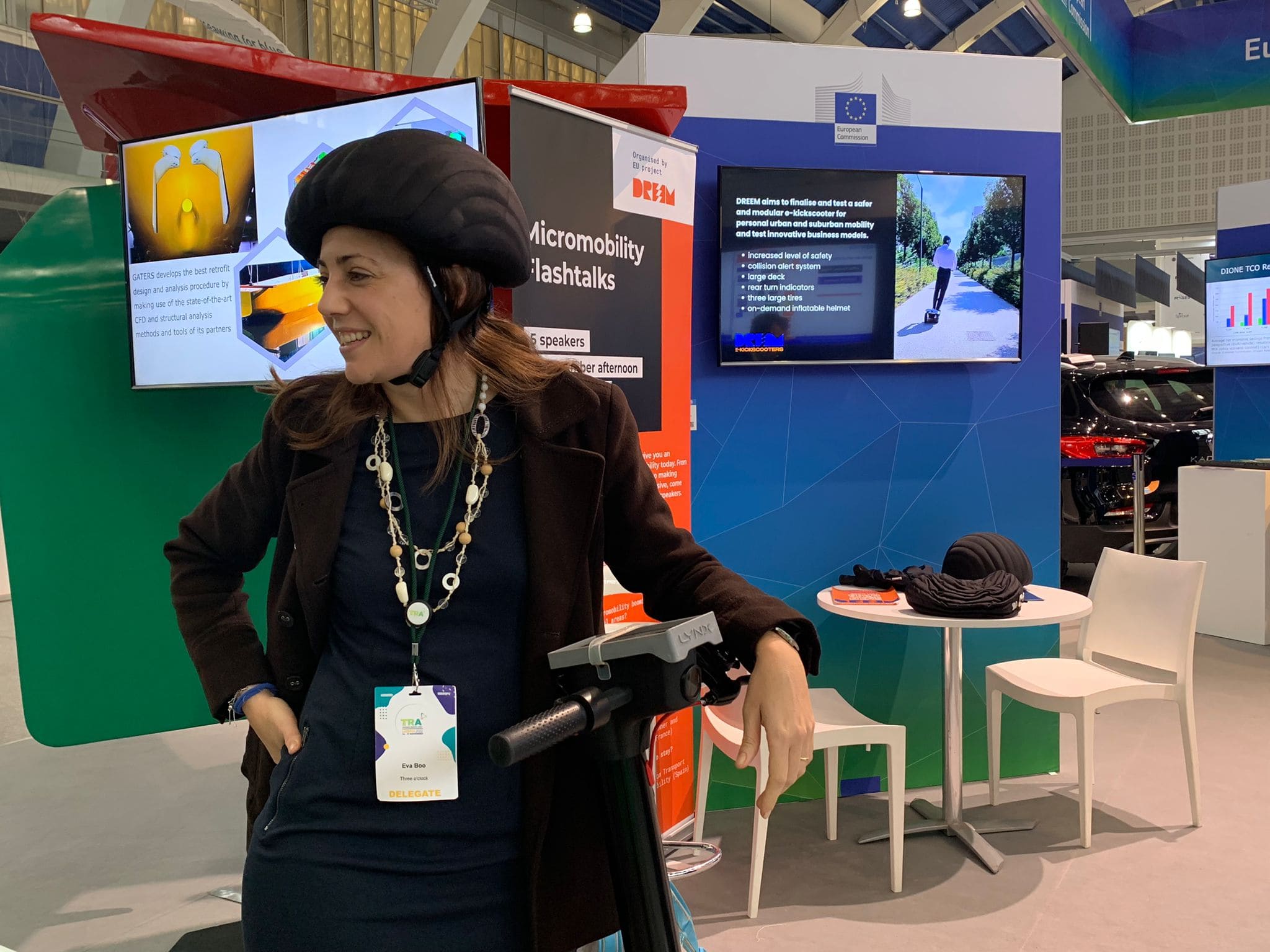
This work was developed as part of the Horizon 2020-funded DREEM project, which aims to introduce a new generation of electric kickscooters that are modular, safer, and designed for both urban and suburban use. DREEM focuses on creating and testing e-kickscooters that integrate seamlessly with existing transport networks. Through pilots in Turin, Gothenburg, and Belgium, the project explores innovative business models and sustainability solutions to transform personal micro-mobility.