Cities across Europe must drastically cut transport emissions while keeping mobility accessible, safe, and inclusive. New solutions like autonomous shuttles, electric and hydrogen buses, smart charging and data-driven logistics show strong potential but only if they are tested in real streets, with real people, and with local stakeholders on board.
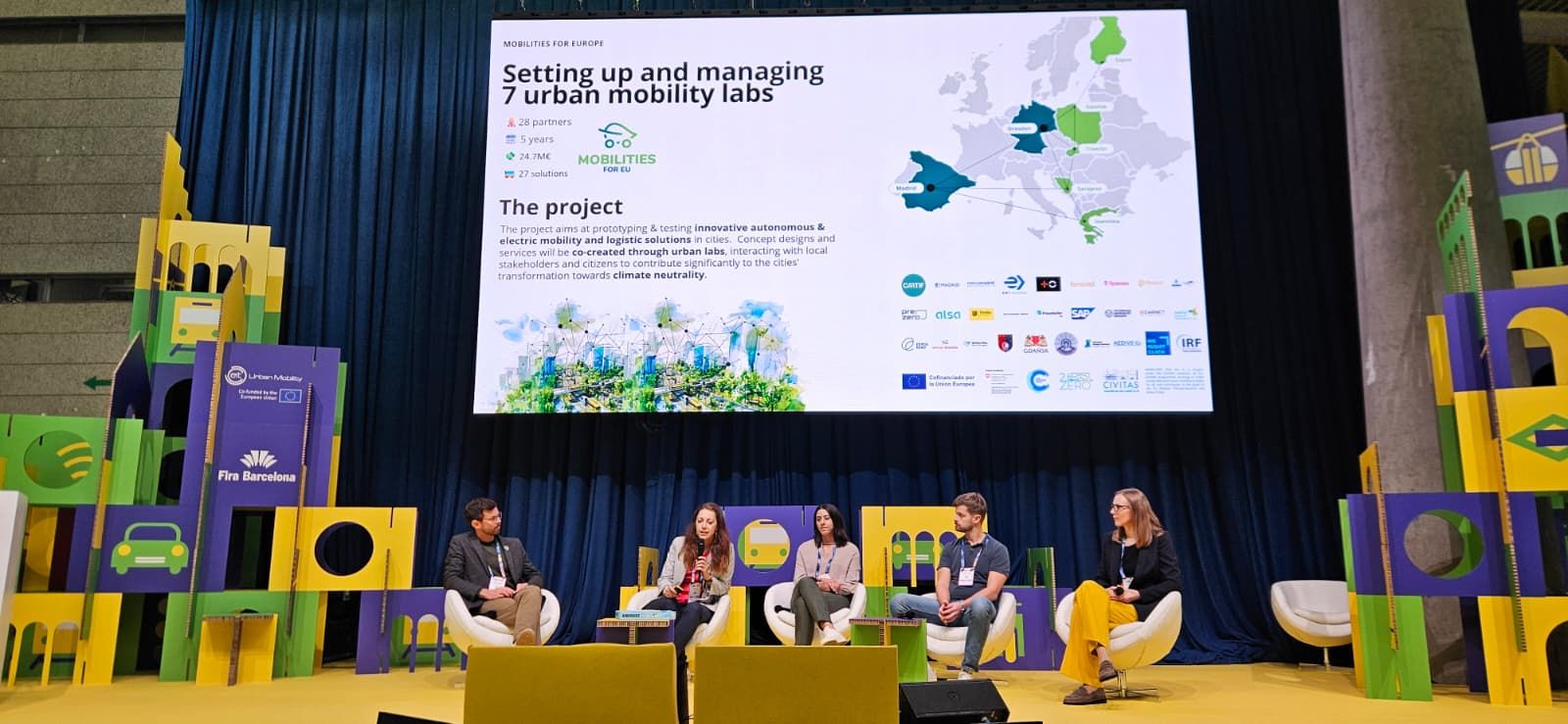
MOBILITIES for EU addresses this challenge by deploying seven Urban Transport Labs where cities prototype, test, and evaluate 27 innovative mobility and logistics solutions in real urban environments. Two lead cities, Madrid and Dresden, implement 11 pilots and act as front runners, while five replication cities (Ioannina, Trenčín, Espoo, Gdańsk, Sarajevo) participate in and then adapt the approaches through their own labs.
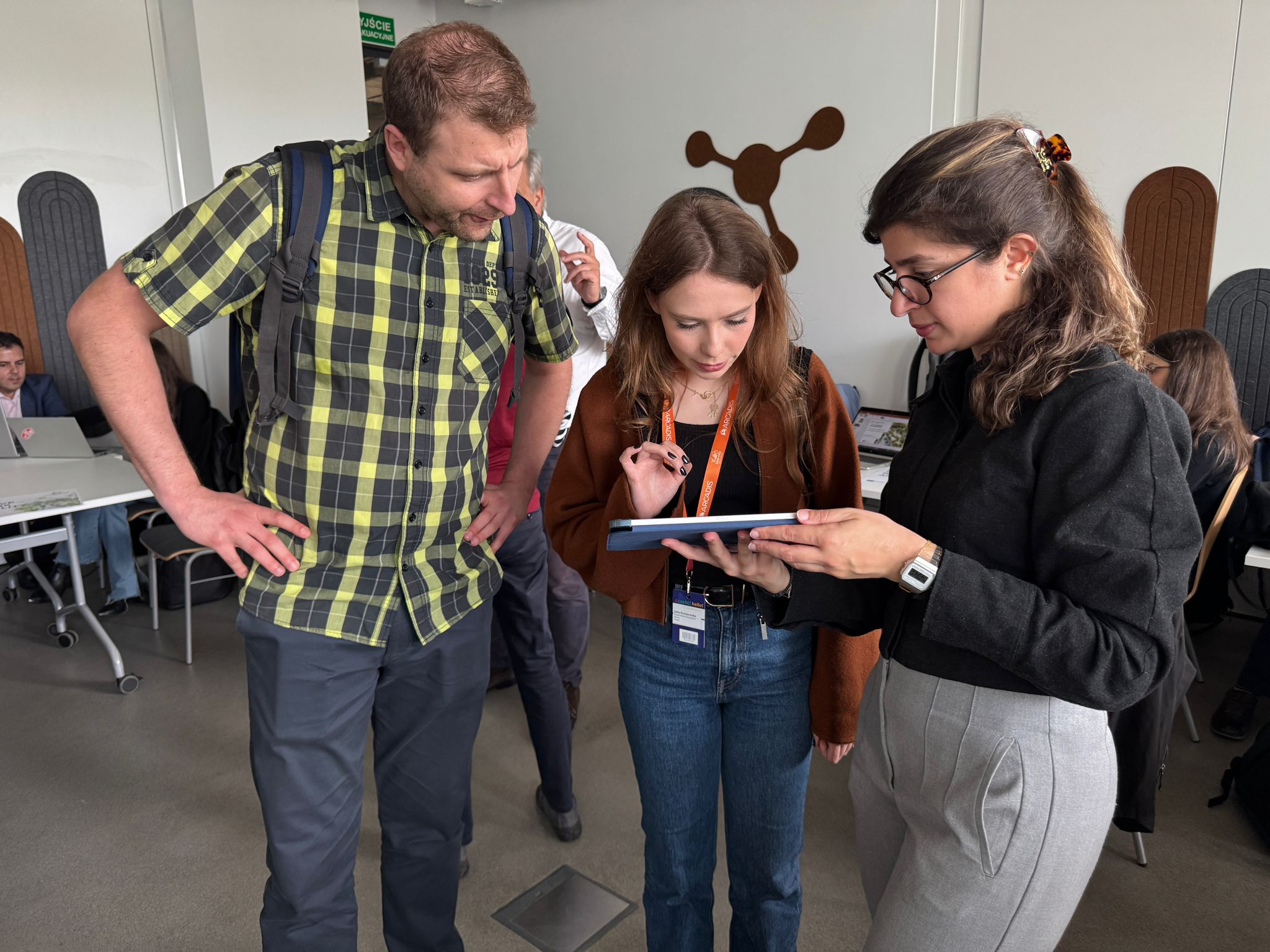
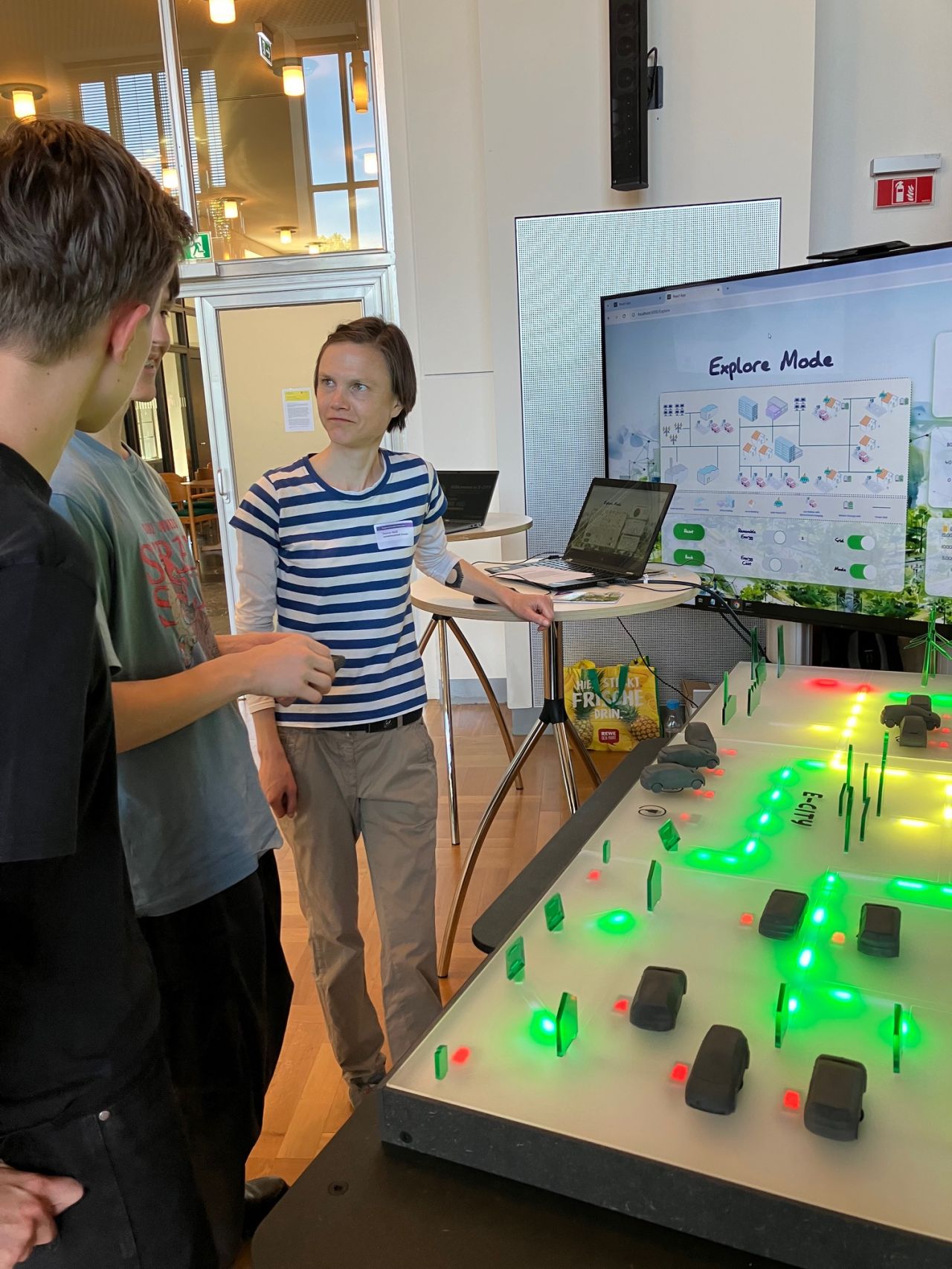
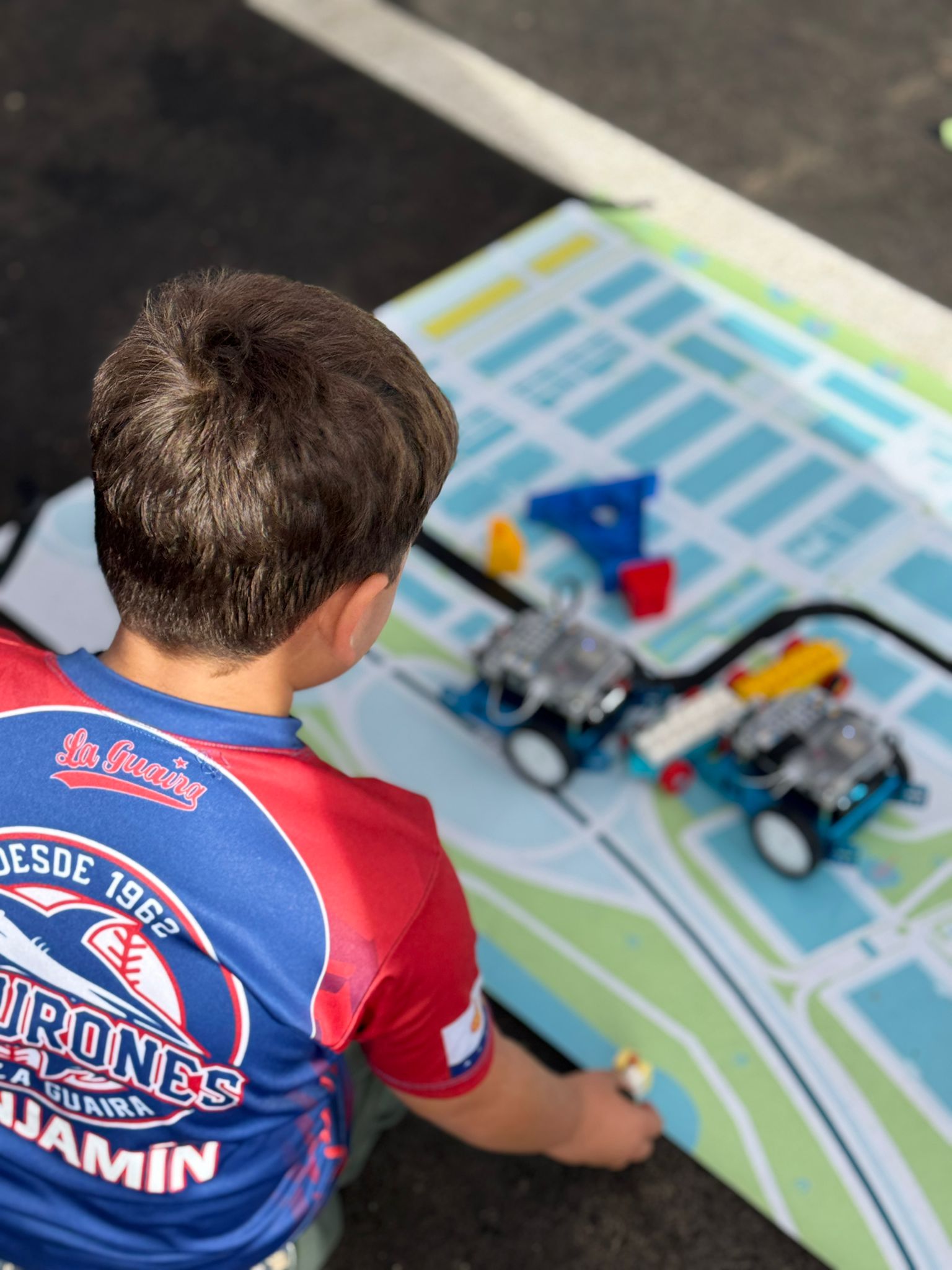
We are enabling innovation in urban mobility by creating real-life spaces for experimentation and co-design. Our role in the project focuses on:
We have set up and are managing 7 Urban Transport Labs across Europe, providing innovation environments where cities, citizens, and stakeholders co-design future mobility and logistics solutions.
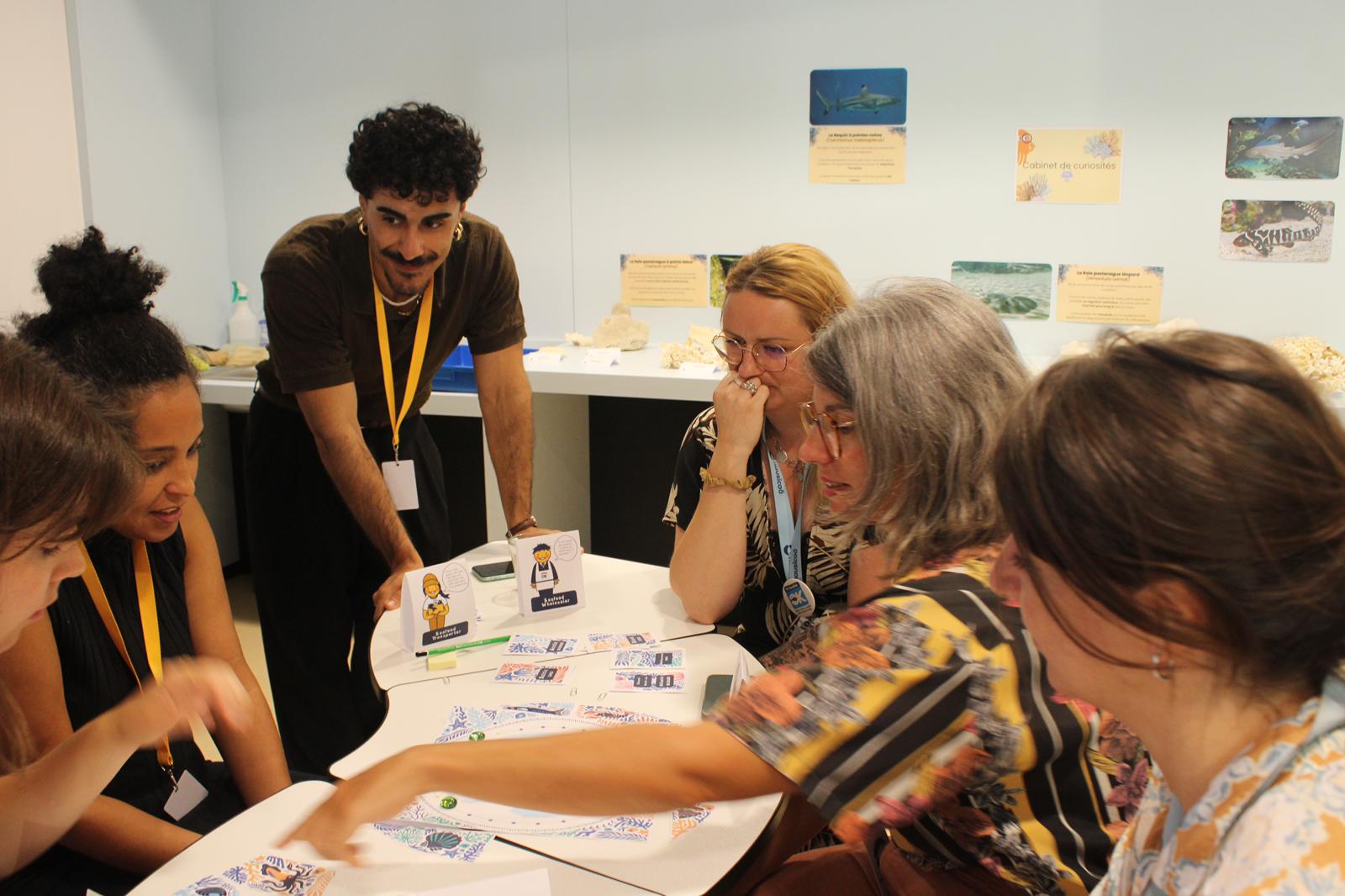
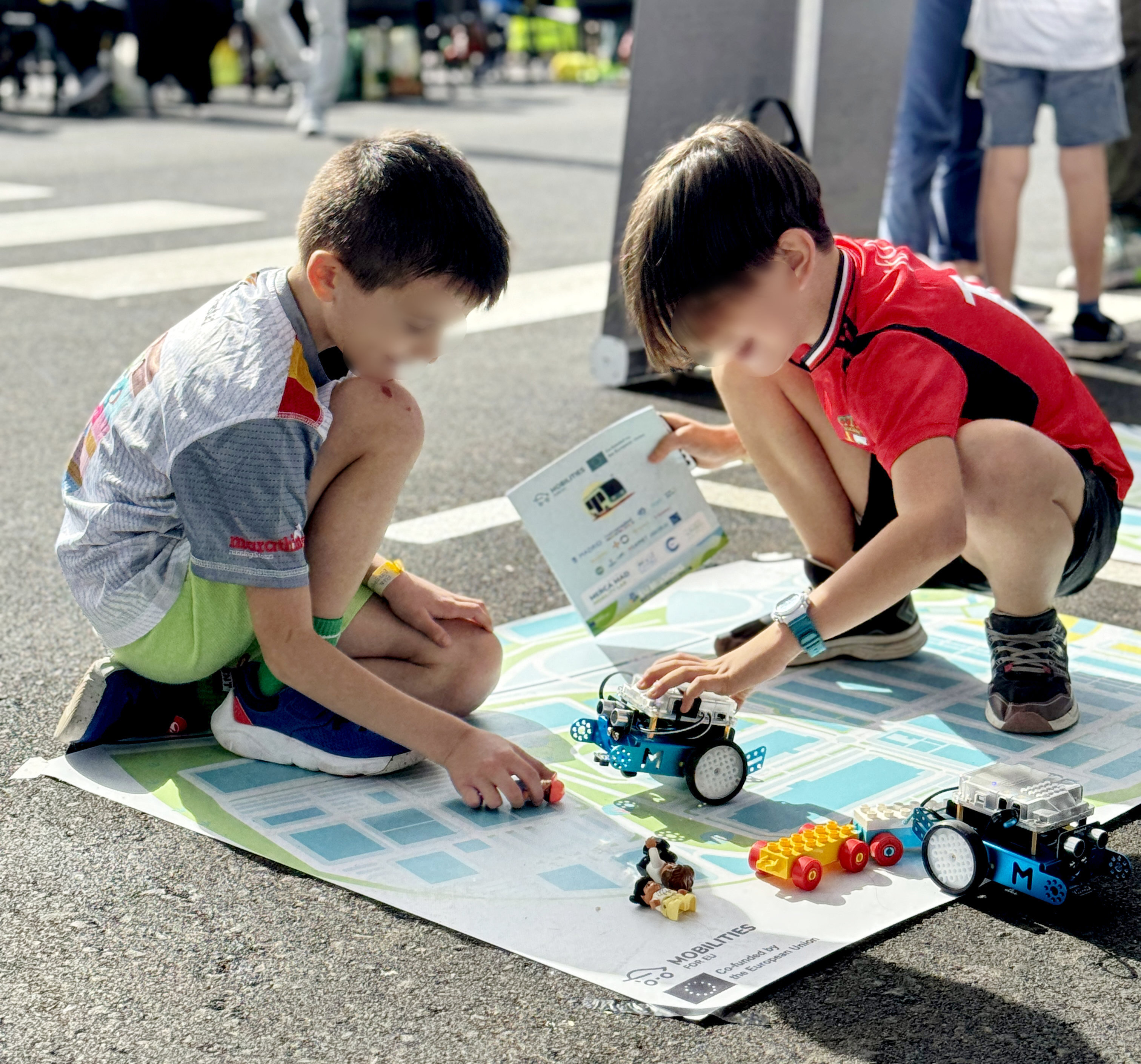
Three o'clock is developing and coordinating learning activities for citizens, future professionals and city practitioners around sustainable mobility and climate-neutral cities. These range from interactive sessions on autonomous and electric mobility to hands-on workshops that help participants understand trade-offs, data use, and behavioural change.
Within the labs, we are helping partners frame and evaluate the social dimension of solutions such as autonomous mid-sized e-buses, electric and hydrogen buses, innovative charging (including bidirectional charging and autonomous charging robots), and 5G-enabled connectivity for automated driving. The focus is on safety perception, accessibility, inclusiveness, everyday usability, and trust.
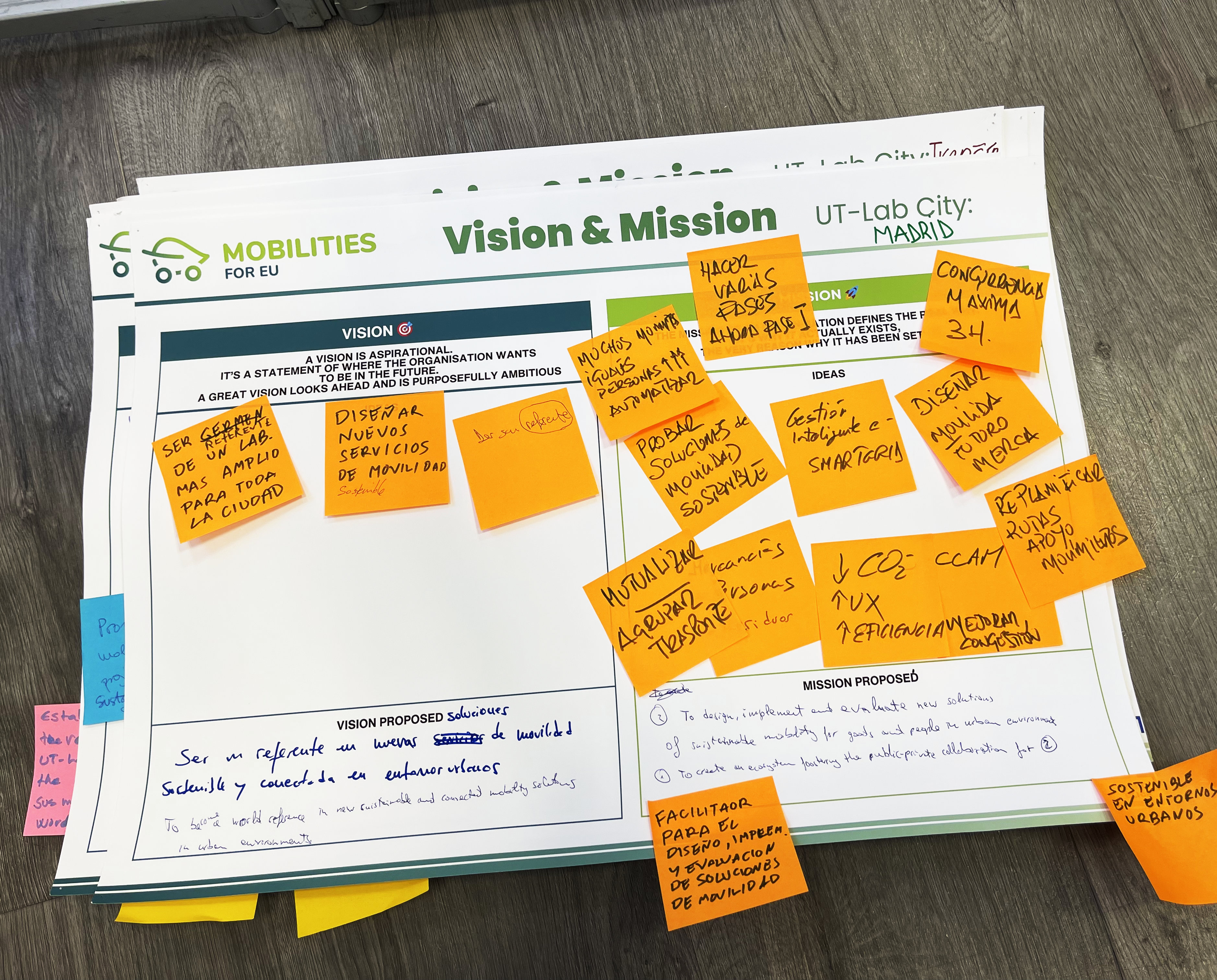
We are contributing to project-wide communication, helping draft narratives, visuals and workshop formats that connect the different Urban Transport Labs and share lessons between lead and replication cities. This includes highlighting local stories from Madrid and Dresden and amplifying progress in Ioannina, Trenčín, Espoo, Gdańsk and Sarajevo.
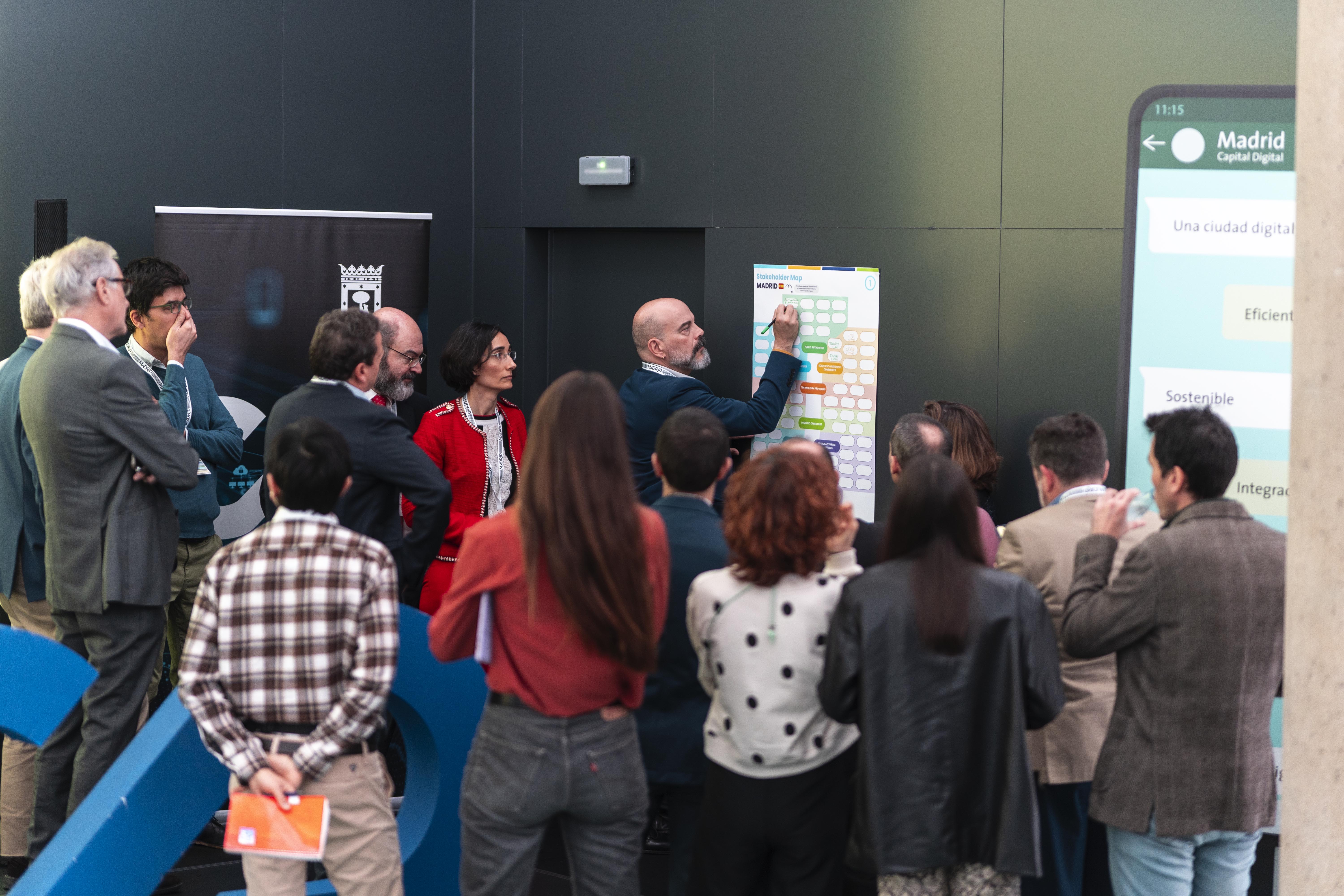
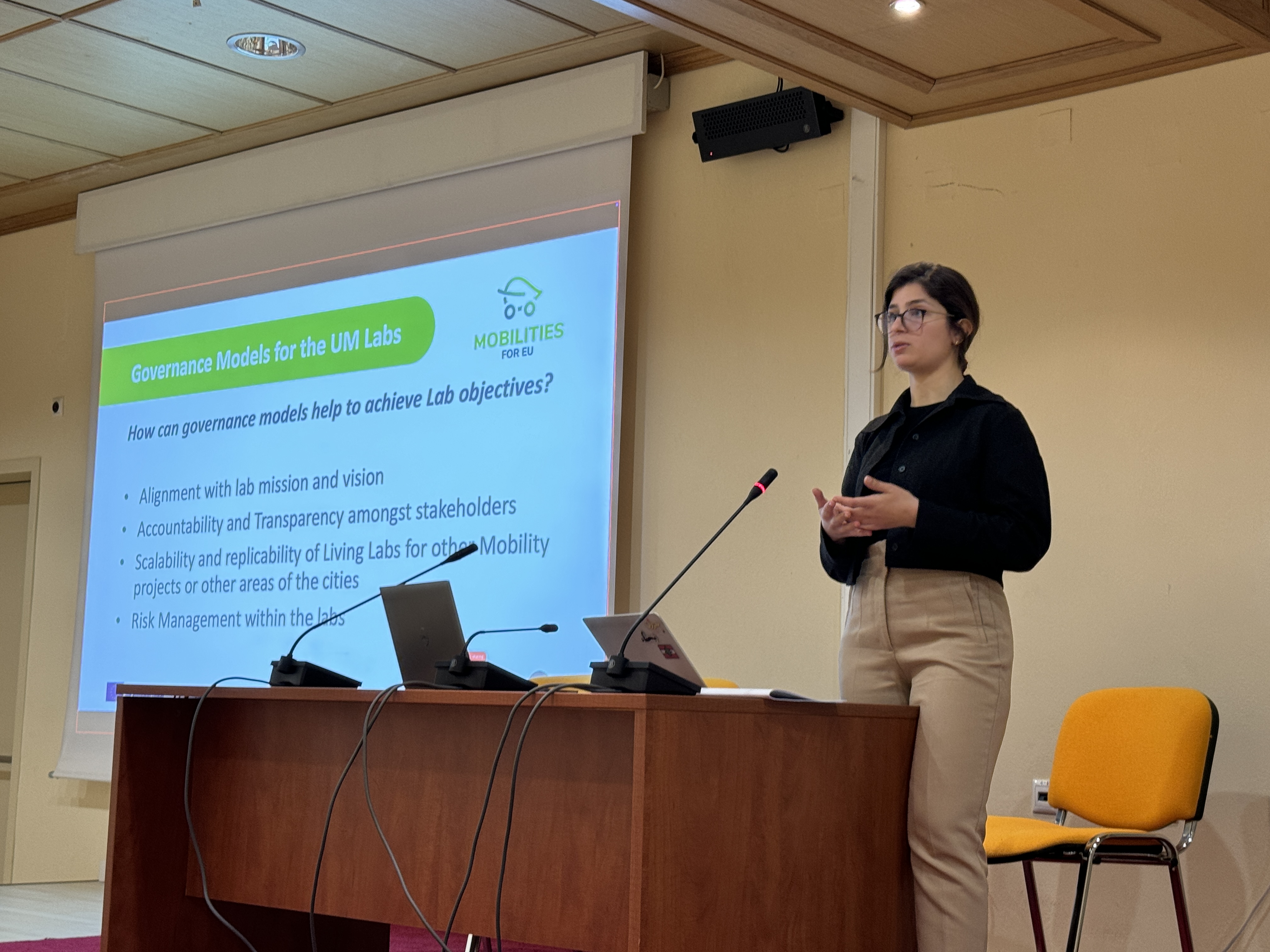
By the end of the project, the Urban Transport Labs will have engaged hundreds of citizens and local stakeholders in hands-on experimentation with new mobility services and logistics solutions. The labs will deliver tested user journeys, engagement formats, and governance models that cities can reuse to accelerate future pilots and replication. Together, the seven cities will have generated a shared evidence base on how electrification, automation and connectivity can support climate-neutral and people-centred mobility systems.
This work is developed as part of the project MOBILITIES FOR EU a Horizon Europe innovation project and part of the European Commission’s Climate-Neutral and Smart Cities Mission. The project is coordinated by CARTIF and builds on the expertise of 29 partners from nine European countries, bringing a vast amount of knowledge and expertise to pave the way for urban mobility transition.